Why Is My AC Not Blowing Cold Air?
Feeling frustrated when your AC isn’t blowing cold air? You’re not alone—many people struggle with this issue, especially during the hottest days. Luckily, there are simple checks you can do before calling in a pro.
If your AC isn’t blowing cold air, check if the air filter is dirty or clogged, as this reduces airflow and efficiency. Make sure vents and ducts are clear and not blocked.
Verify your thermostat is set correctly for cooling, and inspect the outdoor condenser for debris or dirt.
An old or worn system might need professional repair or replacement. Keep these tips in mind, and you’ll find you can troubleshoot many common issues easily.
Key Takeaways
- Check and seal duct leaks, and make sure vents are open and not blocked so air flows properly.
- Inspect and replace dirty or clogged air filters to keep your cooling system running efficiently.
- Make sure your thermostat is set correctly to “cool” and is calibrated properly.
- Clean the condenser unit and ensure refrigerant levels are adequate; clear away debris around the unit.
- Think about the age and condition of your system; older units might need professional repair or even replacing.
Why Isn’t My Air Conditioner Blowing Cold Air?
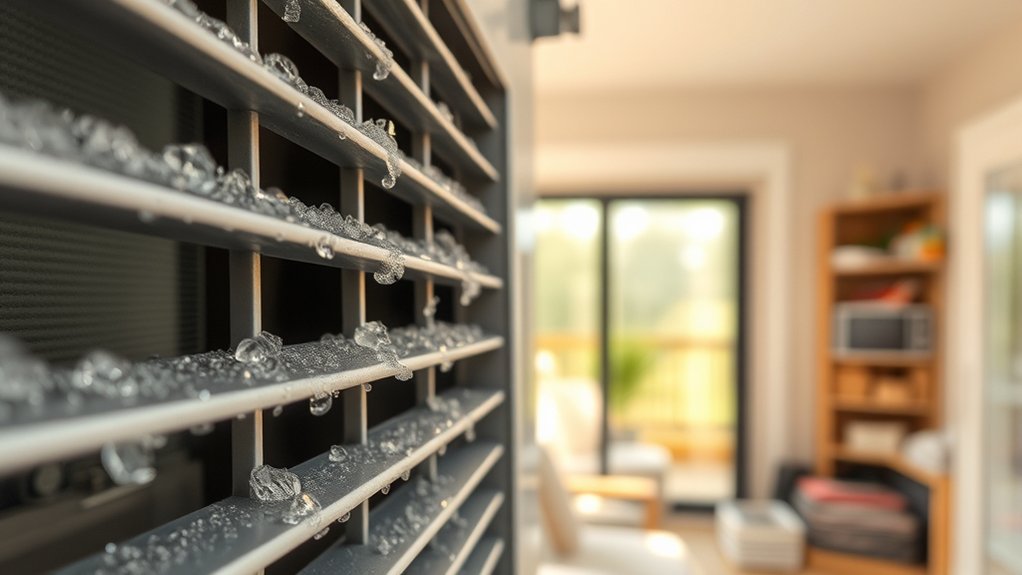
If your air conditioner isn’t blowing cold air, it can be really frustrating, especially during hot days. One common reason is poor air duct sealing, which lets cooled air escape before it reaches your space. Check your ductwork for leaks or holes and seal them properly to improve airflow and cooling.
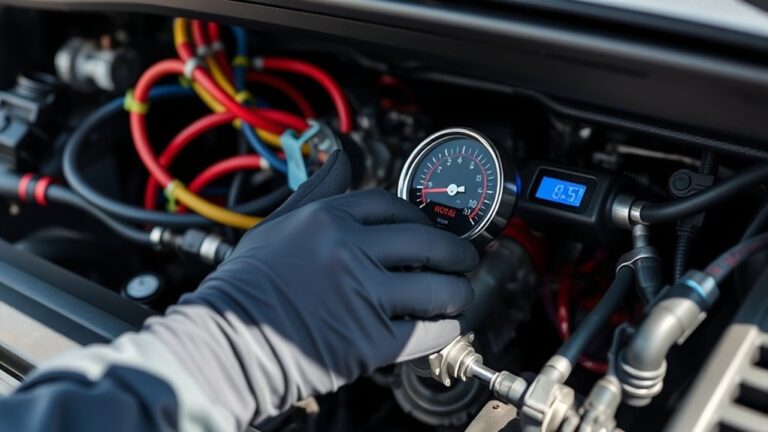
Another key factor is refrigerant levels. Low refrigerant makes it harder for the system to absorb heat, so the air stays warm. If your refrigerant is low, it probably means there’s a leak that needs professional repair and recharging. Don’t try to add refrigerant yourself, as handling these chemicals can be dangerous.
Making sure your ducts are sealed well and your refrigerant levels are right is essential for your AC to work properly. Fixing these issues can restore cold airflow and make your space more comfortable. If these steps don’t solve the problem, it’s best to call a professional to diagnose and fix deeper system issues.
Check If Your Air Filter Is Dirty or Clogged
If your AC isn’t blowing cold air, one thing to check is your air filter. Sometimes, a dirty or clogged filter can be the culprit. Just turn off the unit first, then take a look at the filter. It should look clean and clear—no dust or debris on it.
If you see it’s dirty, go ahead and replace it with a new one. Doing this can really help your system run more efficiently and get your home cooling again.
Signs of Dirty Filter
A dirty or clogged air filter is often the main reason your AC isn’t blowing cold air. When the filter gets dirty, you might notice less airflow or uneven cooling. Dust and debris block the filter, making your system work harder, which can also raise your energy bills.
Check if your filter looks dark, dusty, or clogged—these are clear signs it needs to be replaced. Regular maintenance can help prevent these problems and keep your AC running smoothly.
| Sign | What it Means |
|---|---|
| Reduced airflow | Air filter needs replacement |
| Dust or debris around vents | Filter isn’t trapping dirt effectively |
| Unusual odors | Mold or bacteria buildup |
| Higher energy bills | System working harder due to clogging |
How to Check Filter
Checking your air filter is a quick and easy way to see if it’s dirty or clogged. First, turn off your AC and find the air filter—usually inside the return vent or blower compartment.
Carefully remove the filter and hold it up to the light. If you can’t see light passing through, it’s probably dirty or blocked. You’ll also notice dust, debris, or a thick layer of dirt on the surface.
A clogged filter makes it harder for your AC to get enough airflow, which can reduce cooling efficiency. Regularly checking your filter helps keep airflow steady and your system running smoothly.
If the filter looks dirty, it’s time to clean or replace it. Doing this keeps your AC working properly and can even save energy.
Replacing the Air Filter
When your AC isn’t blowing cold air, replacing a dirty or clogged air filter can make a noticeable difference. A clean filter helps your system run more efficiently, so it doesn’t have to work as hard.
When filters are clogged, your AC has to work harder, which can raise your energy bills and reduce cooling effectiveness. Plus, a dirty filter can make your unit sound louder than usual.
Regularly checking and replacing the filter ensures good airflow and prevents your system from getting strained. This simple step boosts cooling performance and helps your AC last longer.
Keeping your air filter clean means quieter operation and better cooling all season long. It’s an easy way to stay comfortable and save money at the same time.
How to Clean or Replace Your AC Filter
If your filter looks dirty or clogged, it’s probably time to clean or replace it. You can give reusable filters a good wash with water and a gentle scrub. Just make sure they’re completely dry before putting them back in.
But if the filter is really worn out or damaged, it’s best to swap it out for a new one. Checking and maintaining your filter regularly helps your AC run smoothly and keeps the cool air flowing nicely.
Identifying Dirty Filters
A dirty filter can really cut down your AC’s efficiency and make it blow warm air. To see if your filter needs cleaning, start by finding it—usually near the return vent or inside the unit.
Carefully remove the filter and give it a close look. If you notice a thick layer of dust or it looks discolored and clogged, it’s probably dirty. You might also see less airflow from your vents or higher energy bills, both signs of a dirty filter.
Even if the filter looks somewhat clean, dust might still be building up and hurting performance. Regular inspections are really important. If the filter is dirty, it’s time to clean or replace it to keep your AC running smoothly and your air cool and fresh.
How to Clean Filters
Cleaning or replacing your AC filter is a simple way to restore good airflow and cooling. First, turn off your AC unit and carefully remove the filter.
Check if the filter is washable. If it is, gently vacuum both sides to remove dust and debris, then wash it with mild soap and water. Let it dry completely before reinstalling.
If your filter isn’t washable, it’s best to replace it. Regular cleaning or replacement keeps your AC running efficiently and helps prevent airflow blockages.
A clean air filter not only improves cooling but also extends your unit’s lifespan. Doing this monthly, especially during peak use, helps maintain top performance and energy efficiency.
Replacing Worn Filters
When your AC filter becomes worn or damaged, replacing it is essential to keep proper airflow and cooling working smoothly.
Worn filters can block airflow, making your system work harder and possibly causing temperature swings. Regular filter checks help prevent this and keep your AC running efficiently.
Always pick the right size filter and change it at recommended intervals, especially if you notice less airflow or more dust. After swapping out the filter, think about recalibrating your thermostat to ensure accurate temperature control.
Properly maintained filters boost air quality, save energy, and improve cooling power. Remember, a clean, new filter is the first step to preventing your AC from blowing warm or weak air.
Is Your Thermostat Set Correctly for Cooling?
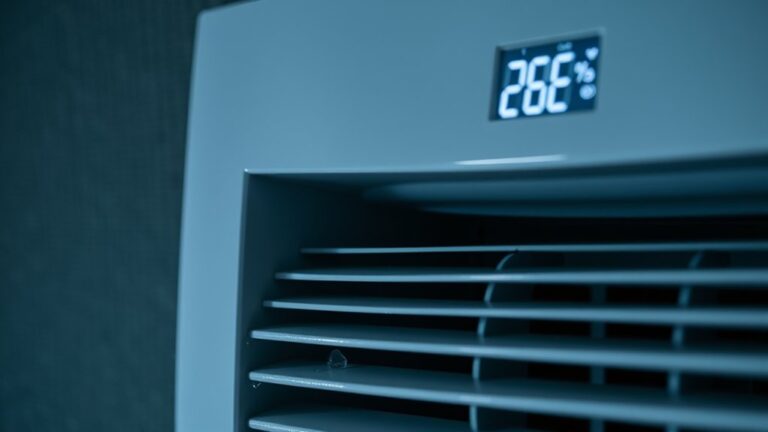
If your AC isn’t blowing cold air, the first thing to check is whether your thermostat is set correctly for cooling. Make sure it’s on the “cool” setting and not on “heat” or “fan only.”
Verify that the temperature setting is lower than the current room temperature. Usually, 72°F feels comfortable, but adjust it to your preference.
Sometimes, the thermostat’s calibration can be off, causing it to misread the room temperature. If your thermostat has a calibration option, make sure it’s properly adjusted.
Digital thermostats tend to be more accurate, but if you’re using an older model, it might need some tweaking. Also, check for loose wiring or malfunctioning displays that could cause inaccurate readings.
Properly setting and calibrating your thermostat helps your AC respond correctly, ensuring it blows cold air when needed.
Are Vents or Ducts Blocked or Restricted?
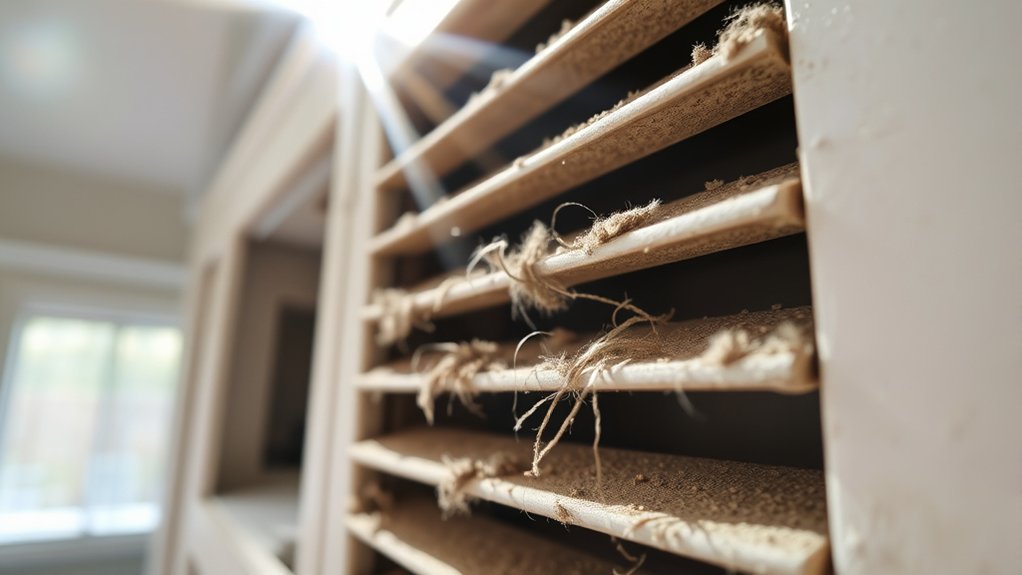
Blocked or restricted vents and ducts can significantly reduce your AC’s cooling efficiency. When airflow is blocked, cooled air has a hard time reaching your living spaces, making your system work harder without cooling effectively.
Blocked vents and ducts can greatly reduce your AC’s efficiency and cooling performance.
Make sure all vents are open and clear of furniture or objects. Insulation on ducts is also important; poorly insulated ducts can let heat in, reducing cooling before air even reaches your rooms.
Check accessible ducts for damage, leaks, or gaps that could restrict airflow. Sealing leaks and improving insulation helps keep air flowing freely and maintains proper ventilation.
Even small blockages or insulation issues can cause noticeable drops in comfort and efficiency. Regularly inspecting and maintaining your vents and ducts keeps your AC running at its best and provides consistent, cool air throughout your home.
Is the Condenser Unit Clean and Free of Debris?
Hey, take a quick look at the condenser unit and see if there’s any debris like leaves or dirt stuck on it. If you notice anything, it’s a good idea to clear it away so airflow isn’t blocked. You want to make sure the area around the unit is open and free of obstructions, so it can breathe properly.
While you’re at it, check the coil for any dirt buildup or damage. Keeping the coil clean helps the system cool more efficiently and prevents potential issues down the line. Just a little maintenance here can go a long way in keeping everything running smoothly!
Check for Visible Debris
Have you checked whether the condenser unit is clear of debris? Dirt, leaves, or other obstructions can block airflow and reduce cooling efficiency.
Make sure the outdoor insulation around the unit isn’t covered in debris or dirt. Clear away any leaves or trash that might be clogging the fins or preventing proper airflow.
A dirty condenser can cause refrigerant levels to drop or become uneven, leading to poor cooling. Regularly inspecting and cleaning the condenser helps maintain peak performance and prevents unnecessary strain on your AC system.
Clear Surrounding Area
To make sure your AC works efficiently, check that the area around the condenser unit is clear of debris. Overgrown landscaping can block airflow and reduce cooling performance.
Make sure there are no leaves, dirt, or grass around the unit, as debris can hinder heat exchange. Also, check that plants or bushes aren’t too close, so airflow isn’t restricted and overheating is prevented.
A cluttered area can increase indoor humidity levels, making it harder for your AC to cool effectively. Regular trimming and debris removal help keep your unit running at its best.
Keeping the space tidy allows your AC to operate more efficiently, helping you stay comfortable and preventing unnecessary strain on the system.
Inspect Coil Condition
A dirty or clogged condenser coil can significantly reduce your AC’s ability to cool effectively. When the coil isn’t clean, heat exchange becomes less efficient, causing your system to work harder and less effectively.
Check the coil for dirt, leaves, or debris, and clean it gently with a garden hose if needed. Poor coil cleanliness can also lead to low refrigerant levels, as a compromised coil can cause leaks or reduce system pressure.
Verify that the refrigerant levels are adequate; low levels mean your AC can’t absorb enough heat to cool your space. Regularly inspecting and maintaining the coil’s condition helps your system run smoothly, improves cooling performance, and prevents unnecessary repairs.
Keeping the condenser coil clean is crucial for peak AC operation.
Could Electrical Problems Be Causing Cooling Issues?
Electrical problems can often be the culprit behind your AC not blowing cold air, even if everything else seems to be working correctly. Electrical faults or circuit issues can prevent your system from operating efficiently. You might notice the outdoor unit isn’t running, or the thermostat isn’t responding properly.
These issues can stem from tripped circuit breakers or blown fuses disrupting the power supply. Faulty wiring connections can also cause inconsistent operation. Malfunctioning contactors or relays may stop the compressor from running. Problems with thermostat wiring or calibration can also be the cause.
Addressing electrical problems requires caution, as working with electricity can be dangerous. Always turn off the power before inspecting or attempting repairs. If you’re unsure, it’s best to call a professional to diagnose and fix circuit issues or electrical faults.
Ignoring these problems could lead to further damage or complete system failure.
Is Your Air Conditioner Old or Worn Out?
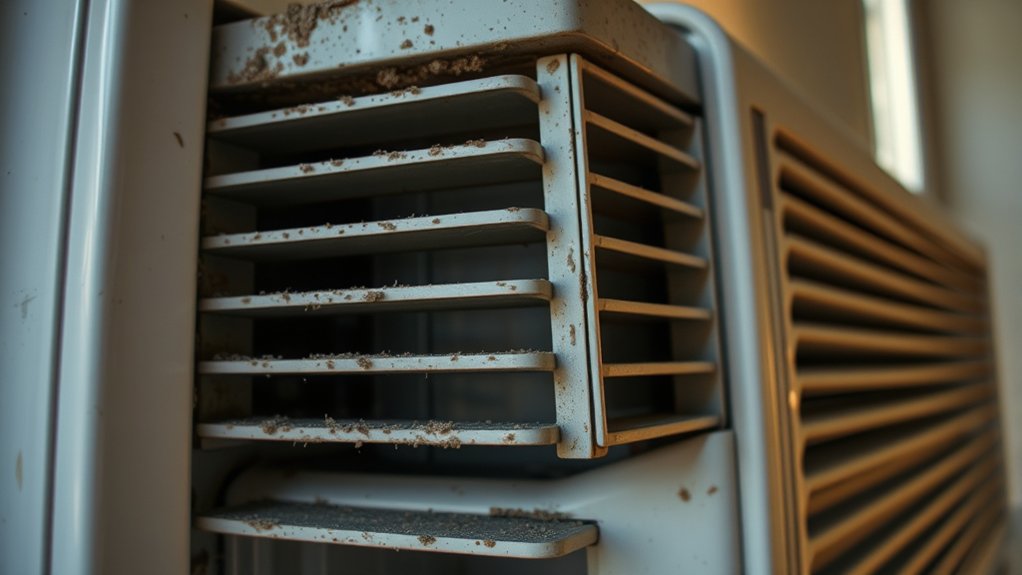
If your air conditioner has been in use for many years, its age might be the reason it’s not blowing cold air anymore. Over time, wear and tear can reduce its energy efficiency, making it harder to cool your space effectively.
Older units often consume more power, which can lead to higher energy bills and less cooling performance. You might also notice increased noise levels, as worn components struggle to operate smoothly.
These signs indicate that your AC is approaching the end of its lifespan, and replacement could be more cost-effective than constant repairs. An aging unit not only affects energy efficiency but also impacts your comfort, as it may struggle to maintain consistent temperatures.
If your AC is old and noisy, and isn’t cooling efficiently, it’s likely time to evaluate a new system. Doing so can improve energy savings and reduce disruptions caused by frequent breakdowns or loud operation.
When Should You Call a Professional for Help?
Even after considering potential causes like age or system wear, some issues are best left to the professionals. If your AC struggles to blow cold air despite troubleshooting, it’s time to call an expert. You might be tempted to compare your cooling system to holiday destinations, thinking it’ll cool down eventually, but some problems need professional diagnosis.
Some AC issues require professional help despite troubleshooting efforts.
You should call a pro if your AC makes strange noises or emits foul odors, which can damage indoor plants or affect air quality. Also, if the system keeps cycling on and off, it wastes energy and reduces efficiency.
Unexpected spikes in your utility bills can signal hidden issues that need professional attention. If you notice refrigerant leaks or your system struggles to maintain temperature, it could harm your indoor plants and make your space uncomfortable.
Don’t delay calling a professional. Addressing these problems promptly will help keep your indoor environment comfortable and your plants healthy.
Tips to Maintain Your AC and Prevent Future Cooling Problems
Regular maintenance is key to keeping your AC running efficiently and preventing future cooling issues. Change or clean the air filters every one to three months to improve airflow and boost energy efficiency.
Keep outdoor units free of debris like leaves and dirt, which can hinder performance and increase energy costs. Schedule annual professional inspections to identify potential problems early, ensuring your system runs smoothly and saves you money on energy bills.
Check ductwork for leaks or blockages, as sealed ducts improve airflow and cooling efficiency. Consider installing a programmable thermostat to optimize temperature settings and reduce energy consumption.
Regularly cleaning the coils and ensuring proper refrigerant levels can prevent strain on the system, extending its lifespan. By staying proactive with these tips, you’ll maintain peak energy efficiency, reduce your utility bills, and enjoy consistent, cool air all season long.
Frequently Asked Questions
Can Refrigerant Leaks Cause My AC to Stop Blowing Cold Air?
Yes, refrigerant leaks can cause your AC to stop blowing cold air. When refrigerant escapes, it lowers the system’s ability to absorb and transfer heat, which results in warmer air coming out.
If you notice your AC isn’t producing cold air, a refrigerant leak might be the culprit. It’s a good idea to have a professional inspect your system and recharge it.
Getting it checked and fixed can restore proper cooling and prevent further damage to your AC.
How Does Outdoor Temperature Affect My Ac’s Cooling Performance?
When outdoor temperatures soar, your AC faces a tougher challenge, just like indoor humidity and air filter issues. Hot weather puts extra strain on your unit, making it harder to cool effectively.
High humidity also adds to the load, causing your AC to work harder to remove moisture from the air. Dirty air filters reduce airflow, which makes the problem worse.
Could a Faulty Compressor Be the Reason for Warm Air?
Yes, a faulty compressor can cause warm air because it stops the refrigerant from circulating properly.
Also, a refrigerant shortage can lower cooling efficiency, which results in warmer air coming from your AC.
If your AC isn’t blowing cold, these issues are likely the cause.
It’s a good idea to have a professional check your system.
They can tell if the compressor needs fixing or if there’s a refrigerant leak or shortage causing the problem.
What Role Do Electrical Capacitors Play in My Ac’s Operation?
Imagine the electrical capacitors as tiny energy reservoirs, like a bank storing power for your AC’s components. They help start the compressor and fan motor smoothly.
If they fail, your thermostat calibration might seem off, and fan motor issues could happen. Without working capacitors, your AC has a hard time maintaining cold air.
This leads to inefficient cooling and higher energy bills. Keeping these capacitors in good shape is key to your system running smoothly and effectively.
How Often Should I Schedule Professional AC Maintenance?
You should schedule professional AC maintenance at least once a year, ideally before summer hits, to keep your system running efficiently. Regular tune-ups help improve indoor air quality by cleaning filters and ducts.
It also ensures your thermostat calibration is accurate for consistent cooling. This proactive approach helps prevent issues like your AC not blowing cold air, saving you money and keeping your home comfortable during the hottest months.
Conclusion
Think of your AC like a well-tuned orchestra — every part must work in harmony to keep your cool. When one instrument falters, the music suffers. Regular checks, like cleaning filters and inspecting ducts, are your tuning.
If issues persist, don’t hesitate to call in a pro. Just as a single dissonant note can spoil a symphony, a small oversight in maintenance can turn your cool comfort into a hot mess.
Stay vigilant, and your AC will perform beautifully. Remember, if your AC is not blowing cold air, proper maintenance is key to keeping it running efficiently.