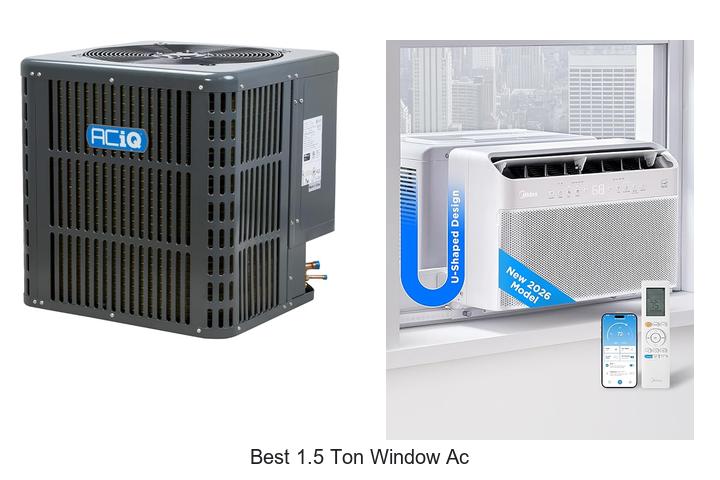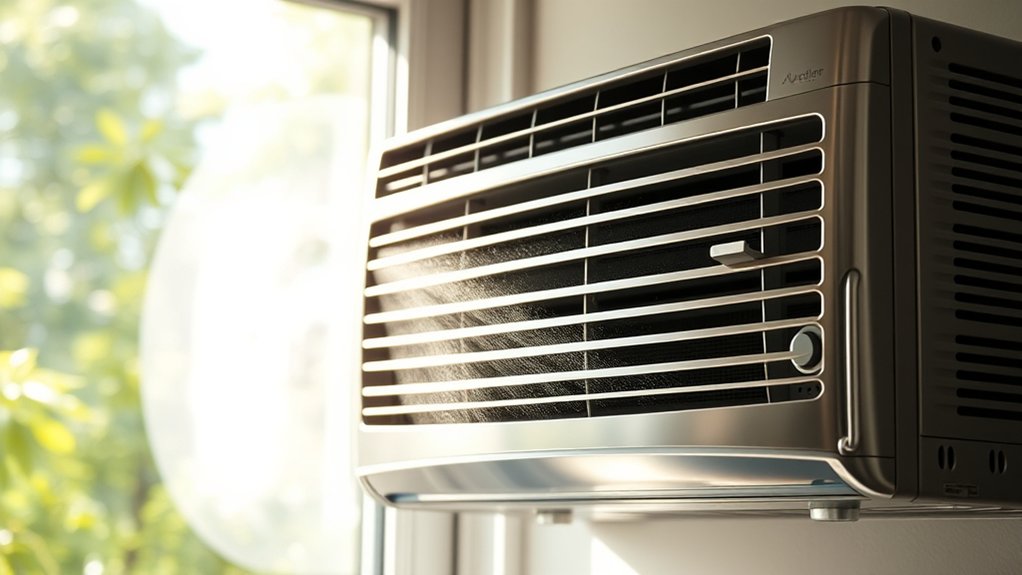
How Long Can a Window AC Run Continuously?
Many homeowners struggle with keeping their homes cool without running into energy costs or equipment issues. If you’re wondering how long a window AC can run safely, you’re not alone. It’s a common concern for those trying to stay comfortable during hot days.
You can run a window AC continuously for 12 to 24 hours if it’s well-maintained, but several factors can limit its safe operation, such as compressor overheating, power issues, refrigerant leaks, or noise.
Signs of overworking include loud noises, excessive heat, and frequent shutdowns. Proper thermostat settings, insulation, and maintenance help extend its running time safely.
Keep exploring to uncover tips on maximizing efficiency and maintaining your unit’s longevity.
Key Takeaways
- Window AC units can usually run safely for about 12 to 24 hours if you keep up with regular maintenance and inspections.
- Things like compressor overheating, power surges, refrigerant leaks, and circuit overloads can limit how long they can run continuously.
- Signs that the AC is overworking include it running constantly, making loud noises, feeling hot, or losing efficiency. These issues can damage the unit over time.
- Using the right thermostat settings, proper insulation, and cleaning filters regularly can help you run the AC longer safely.
- Keep in mind, running your AC nonstop can boost energy bills and wear out parts faster, so regular checks and maintenance are key.
How Long Can a Window Air Conditioner Run Safely?
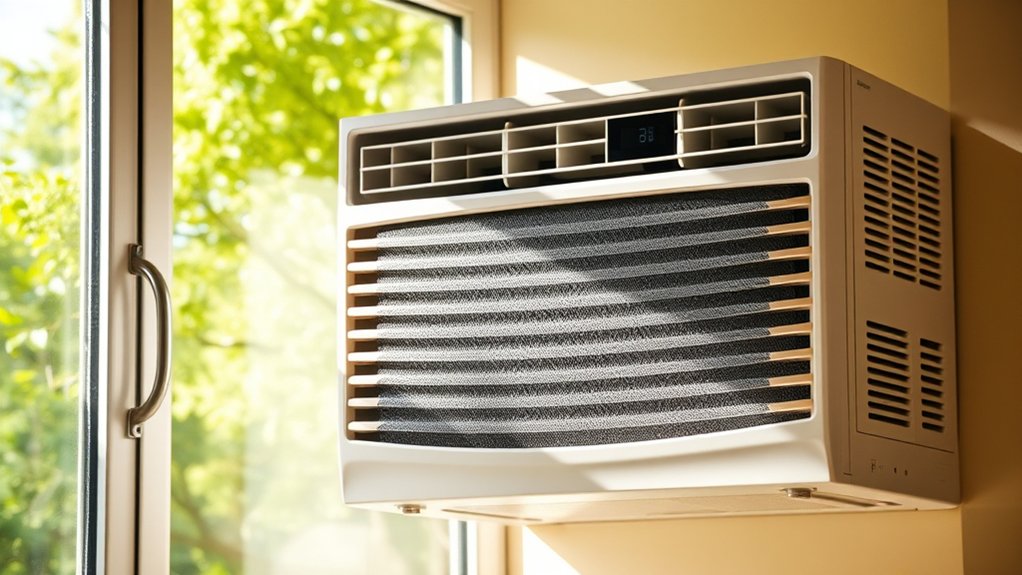
While window air conditioners are designed to run for extended periods, it’s good to know how long they can operate safely without risking damage or inefficiency. Generally, a window AC can run continuously for about 12 to 24 hours if it’s well-maintained.
Window air conditioners can run safely for 12 to 24 hours if properly maintained.
To keep it working properly, regularly check the air filter. A clogged filter restricts airflow, forcing the unit to work harder and increasing wear. Also, refrigerant levels are crucial for performance.
If refrigerant is low, the AC can’t cool effectively. This causes the compressor to overwork and could lead to failure. Keeping the air filter clean and refrigerant levels adequate helps your unit run smoothly and safely for longer.
Even with good maintenance, it’s smart to give the system a break now and then. This helps prevent overheating and extends its lifespan. Regular inspections and timely servicing are key to safe, continuous operation.
What Factors Limit Your Window AC’s Runtime?
So, your window AC’s runtime can be cut short by a few things. One common issue is the compressor overheating, which makes the AC shut off to protect itself from damage. Nobody wants their unit to overheat, right?
Another thing to watch out for is power supply problems. If the voltage is inconsistent or the circuit can’t handle the load, your AC might turn off or struggle to run continuously. Knowing what’s limiting your AC helps you keep it running smoothly and safely.
Compressor Overheating Risks
Compressor overheating is a common concern that can limit how long your window AC runs continuously. Overheating risks go up if there are refrigerant leaks or if noise levels suddenly increase. When the compressor gets too hot, it can shut down to prevent damage, leaving you uncomfortable.
Persistent overheating may also cause parts to wear out faster, leading to costly repairs or replacements. Keep an eye on unusual noise patterns and refrigerant levels—they can signal trouble before overheating happens.
| Warning Signs | Cause | Impact |
|---|---|---|
| Loud, unusual noises | Overworking compressor | Shortened runtime, damage |
| Excessive heat from unit | Refrigerant leaks | Overheating, efficiency drop |
| Increased energy bills | Restricted airflow | Overheating, system failure |
| Frequent shutdowns | Overheating or component failure | Reduced cooling, frustration |
Power Supply Limitations
Power supply limitations can significantly affect how long your window AC runs continuously. If the voltage isn’t stable, your unit might shut off unexpectedly to prevent damage.
Voltage fluctuations can cause your AC to work inefficiently or trip the circuit breaker. Also, the capacity of your circuit matters; if it can’t handle the AC’s power, it will limit runtime or cause interruptions.
Overloaded circuits often trip frequently, forcing you to cut back on how long your AC runs. To get the most runtime, make sure your electrical system provides steady voltage and enough circuit capacity.
Upgrading your circuit or installing a dedicated outlet can help prevent power issues. This allows your window AC to run longer and more reliably.
How Can You Tell If Your AC Is Overworking?
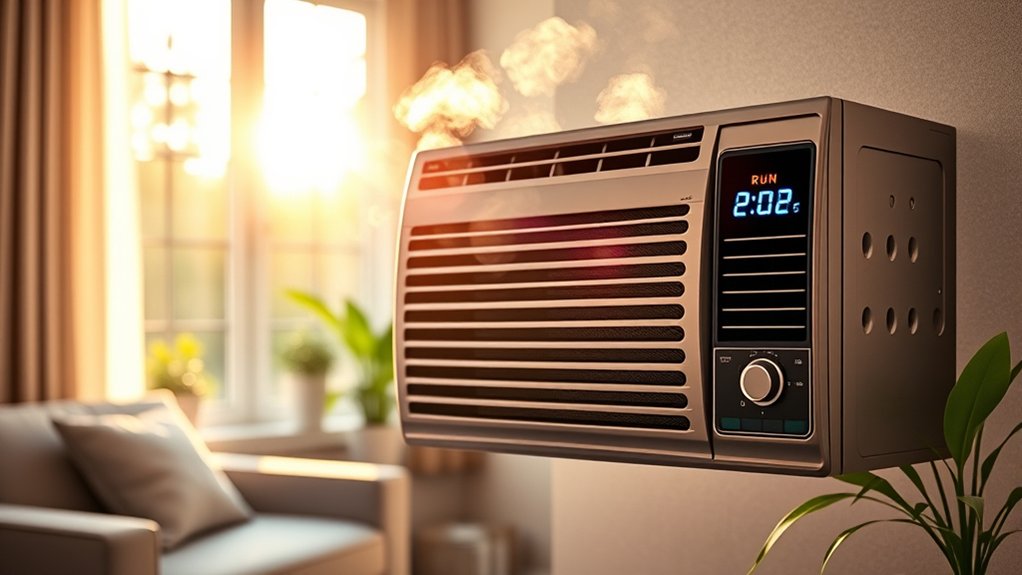
One of the clearest signs your AC might be overworking is if it runs nonstop for long periods without shutting off. If your unit seems to be constantly active, start by checking the air filter. If it’s dirty or clogged, airflow decreases, making the AC work harder and longer.
Constantly running AC indicates overworking; check and replace a dirty filter to improve airflow and efficiency.
Pay attention to noise levels too. An overworking AC may produce louder, more frequent sounds as it strains to cool your space. Excessive noise along with continuous operation can mean the system is struggling to reach the right temperature.
Regularly inspecting and changing the air filter can help prevent overworking caused by poor airflow. If your AC runs non-stop even with a clean filter or if noise levels are unusually high, there could be underlying issues like low refrigerant or a failing compressor.
Recognizing these signs early can save you energy and avoid costly repairs down the line.
Tips to Maximize Your Window AC’s Safe Running Time
To keep your window AC running safely for longer periods, it’s important to follow practical tips that prevent overworking the unit. First, make sure your window is installed properly to create a tight seal, which boosts efficiency and reduces strain on the AC. This also helps keep your indoor air quality steady by stopping drafts and humidity from sneaking in, making your space more comfortable.
Regularly clean or replace filters to keep airflow smooth, which lessens the workload on the compressor. Keep furniture or curtains away from the vents to promote better circulation. During hot days, use curtains or blinds to block out sunlight and reduce heat gain, easing the AC’s load.
Proper insulation around the window frame also helps maintain cool indoor temperatures longer without stressing the system. These simple steps not only extend your AC’s safe running time but also improve indoor air quality and help your unit last longer.
How Thermostat Settings Affect Your AC’s Operation
Your thermostat settings really control how your AC works day to day. If you set the temperature too low, your AC might run all the time, which can rack up your energy bills and put extra strain on the unit.
Finding that sweet spot is key — you want to stay comfortable without overworking your AC. Just a little tweak to the temperature can make a big difference in both your comfort and your energy use.
Optimal Temperature Settings
Setting your thermostat to the right temperature can really impact how long your window AC runs and how well it cools your space. For the best balance of comfort and energy efficiency, aim for around 78°F.
Keep in mind a few factors: proper window insulation helps prevent heat from getting in and keeps airflow efficient. Avoid setting the thermostat too low because cooler temps make the AC run longer and wear out faster.
Using a programmable thermostat allows you to adjust temperatures based on your schedule, saving energy when you’re not home. Also, make sure vents are unobstructed so air can flow freely and cooling stays consistent.
Impact on Energy Usage
Have you ever wondered how your thermostat settings directly impact your energy bills? When you set your AC too low, it runs longer and uses more energy, which reduces efficiency.
On the other hand, setting it higher saves power and cuts costs. Your choices also affect the environment because increased energy use leads to more greenhouse gases.
Keeping a moderate, comfortable temperature helps balance cooling needs with conserving energy. Using programmable thermostats can optimize operation and prevent unnecessary running time.
This not only lowers your utility bills but also minimizes your carbon footprint. Being mindful of your thermostat settings makes sure your window AC runs efficiently, saving money and supporting environmental sustainability.
Small adjustments can make a big difference in overall energy usage.
Maintenance Tips to Keep Your Window AC Running Longer
Regular maintenance is key to keeping your window AC running smoothly and lasting longer. Cleaning the air filter regularly ensures good airflow and better cooling performance. Check it once a month and clean or replace it as needed.
Also, keep an eye on refrigerant levels. Low refrigerant can make your unit work harder, which can shorten its lifespan. If you notice cooling problems, it’s best to call a professional to check it out.
Make sure to clean the evaporator and condenser coils. This helps with heat exchange and keeps your AC working efficiently. Don’t forget to inspect the drainage system to prevent water buildup and mold growth.
Following these simple steps will help your window AC operate better, reduce strain on its parts, and extend its life. Proper maintenance protects your investment and keeps your home cool and comfortable.
When Is It Time to Replace Your Window AC?
If your energy bills just keep going up even though you’re maintaining your window AC regularly, it might be time to think about replacing it. Sometimes, no matter how much you clean or service it, the costs just keep piling up.
And if you’re noticing persistent mechanical issues that just won’t fix easily or affordably, that’s another sign. Trying to fix an old unit over and over can end up costing more than getting a new one.
Paying attention to these signs can help you avoid bigger expenses and keep your home comfortable without the hassle.
Rising Energy Costs
As energy costs keep rising, you might start wondering if your window AC is still worth keeping. Older units tend to use more power, which can hike up your bills. If your AC isn’t positioned well—like not optimized for your window—you could be cooling inefficiently and wasting energy.
High noise levels can also be a sign your unit is working harder than it should, leading to higher energy consumption. Think about these factors before deciding to replace your AC:
- Higher energy bills over several months
- Ineffective cooling even when it runs often
- Unusual noise levels indicating strain
- Outdated technology that’s less efficient than newer models
Upgrading your unit can save you money in the long run and make your space more comfortable, especially if your current AC is boosting your energy costs more than it should.
Persistent Mechanical Issues
Persistent mechanical problems can quickly turn into costly repairs and decreased cooling efficiency. This is a sign that your window AC might be reaching the end of its lifespan.
Mechanical failures, like worn-out motors or faulty fans, often cause inconsistent cooling and higher energy bills. Refrigerant leaks are another sign that your unit is struggling; if you notice reduced cooling or hissing sounds, it’s probably losing refrigerant.
These issues make your AC work harder, which increases wear and tear. If these problems keep happening despite repairs, it’s probably more cost-effective to replace your window AC than keep fixing it.
Don’t ignore persistent mechanical issues—they show your unit’s reliability and efficiency are declining.
How Running Your AC All Day Affects Your Electricity Bill
Wondering how running your window AC all day impacts your electricity bill? Continuous operation can significantly increase your energy costs. Here’s what you should keep in mind:
Running your window AC all day can significantly boost your energy costs and impact efficiency.
- Energy Consumption: The longer your AC runs, the more electricity it uses, which directly raises your bill.
- Indoor Air Quality: Running your AC constantly can improve indoor air by filtering out pollutants, but it might also make the air stale if ventilation isn’t enough.
- Noise Levels: Keeping your AC on nonstop can increase noise, which may be bothersome, especially in quiet spaces.
- Efficiency and Wear: Using your AC all day might reduce its efficiency over time, leading to higher repair costs and a shorter lifespan.
While running your window AC throughout the day can keep your space cool and improve air quality, it’s important to find a balance. Managing your energy costs helps avoid surprises on your electricity bill.
Common Myths About Running Window ACs Nonstop
Many people believe that running their window AC nonstop is harmful or inefficient, but some of these beliefs are myths. For example, some think that continuous operation damages the unit, but modern ACs are designed for extended use.
Others believe that running the AC constantly leads to poor window insulation, which isn’t true. Proper insulation actually helps your unit work efficiently, no matter how long it runs.
A common misconception is that refrigerant levels decrease over time, reducing cooling performance. However, refrigerant levels usually stay stable unless there’s a leak.
As long as your unit is well-maintained and the window is properly sealed, running your AC nonstop won’t harm it or waste energy unnecessarily. Understanding these myths can help you make smarter decisions about cooling your space effectively without unnecessary worry.
Expert Advice for Safe, Continuous AC Use
To use your window AC safely and continuously, it’s important to follow some expert tips that keep it running well and prevent problems. First, keep an eye on indoor humidity—aim for 40-50% to stop mold and stay comfortable.
Next, pay attention to noise levels. If your unit gets really loud, it might need some maintenance or even replacement to avoid disturbing your peace. Regularly clean the filters to improve airflow and help the compressor work efficiently.
It’s also best not to run the AC nonstop during extreme weather without giving it breaks. Let it rest to avoid overheating and extend its life. And make sure the unit is installed and sealed correctly to save energy and run smoothly.
Following these simple steps will help keep your AC safe, efficient, and cost-effective, especially during long runs.
Frequently Asked Questions
Can Running My Window AC Continuously Cause Permanent Damage?
Running your window AC continuously generally won’t cause permanent damage if it’s properly maintained. In fact, it can improve energy efficiency by avoiding repeated startups.
However, running it for long periods might increase noise and put some strain on the unit over time, which could shorten its lifespan. To keep everything working smoothly, make sure to clean filters regularly and ensure proper ventilation.
If you notice the unit making excessive noise or overheating, it’s best to turn it off and call a professional. That way, you can keep your AC running well without risking damage.
How Does Outdoor Temperature Impact How Long My AC Can Run?
Outdoor temperature acts like a relentless tide, directly impacting how long your AC can run. When it’s scorching outside, your unit works harder, reducing energy efficiency and increasing costs.
You might need to run it longer to stay cool, but be mindful—overworking it can lead to wear and tear. To keep your system in good shape and save money, consider shading your unit and changing filters regularly during extreme heat.
Does Running the AC Nonstop Increase Indoor Humidity Levels?
Running your AC nonstop can slightly increase indoor humidity levels because it might not run long enough to fully dehumidify the air, especially in humid climates.
This can make the indoor air feel damp or sticky. To keep good air quality and save energy, it’s better to run your AC in cycles.
This way, it can dehumidify effectively without wasting unnecessary energy.
What Safety Precautions Should I Take for Long-Term AC Operation?
Imagine running your window AC nonstop during a heatwave. To stay safe, focus on energy efficiency and maintenance routines.
Regularly clean filters, check for refrigerant leaks, and ensure proper ventilation. These steps help prevent overheating and lower fire risks.
Also, keep the unit in a shaded, well-ventilated spot, and avoid overloading electrical outlets.
Following these precautions will help your AC operate safely and efficiently for a long time.
Are There Specific Brands Better Suited for Continuous Running?
Some brands are better suited for continuous running because of their energy efficiency and noise levels. Look for models from LG, Frigidaire, or Mitsubishi, as they often feature advanced inverter technology that cuts down on energy use and reduces noise.
These brands also tend to use durable components, making them more reliable for long-term operation. Picking an AC with a high energy efficiency rating and low noise levels helps ensure it runs smoothly and comfortably.
This way, you get reliable performance without excessive power use or disruptive noise.
Conclusion
Just like Icarus soaring too close to the sun, pushing your window AC beyond its limits can lead to trouble. Keep an eye on its performance, respect its resting needs, and don’t ignore signs of overwork.
With proper care, your unit can cool efficiently without burning out or skyrocketing your bills. Remember, moderation is key—after all, even the most diligent craftsman knows when to step back and let their tools rest.
Knowing how long your window AC can run continuously helps prevent damage and keeps it working smoothly. So, stay attentive and give your AC the right amount of run time for optimal performance.