What Happens If You Run a Window AC Unit Inside?
Many people struggle with keeping their homes cool without running into safety issues or high energy bills. If you’re thinking about using a window AC unit inside, you’re not alone. It’s a common question, but there are important things to consider.
Running a window AC unit inside your home can be risky because these units aren’t designed for indoor use, which can lead to safety hazards like electrical problems, poor airflow, and decreased air quality. It may cause mold, humidity issues, and strain the unit, reducing its lifespan.
Improper use can also boost your energy bills. To keep your home safe and cool, it’s better to consider safer options—more details are just ahead.
Key Takeaways
- Running a window AC inside can be dangerous because of improper installation and exposed electrical parts.
- It can lower indoor air quality by blocking fresh air and trapping stale, polluted air.
- Excess moisture from condensation can lead to mold growth and damage your property.
- The unit has to work harder, which makes it less efficient, more likely to break down, and shortens its lifespan.
- Using a window AC indoors also increases the risk of electrical problems, fires, and higher energy bills.
Can You Use a Window AC Unit Inside Your Home Safely?
While it might seem tempting to run a window AC unit inside your home, it’s not designed for indoor use and can pose safety risks. These units are built for window placement, where they vent outside effectively. Using them indoors can lead to poor airflow and inadequate ventilation, especially if your home lacks proper insulation.
Without proper insulation, the unit struggles to cool the space efficiently, causing it to work harder and potentially overheat. Additionally, the exhaust and drainage systems are meant to vent outdoors, so running the unit inside could lead to moisture buildup and indoor air quality issues.
You might also compromise safety if the unit isn’t properly installed or if electrical components are exposed. For safe and effective cooling, it’s better to consider alternatives designed for indoor use, like portable air conditioners or split systems, instead of trying to adapt a window AC unit meant for outside window placement.
What Are the Risks of Running a Window AC Indoors?
Running a window AC unit indoors can sometimes lead to poor air circulation, which makes the air feel stale and less healthy to breathe. It can also bump up the humidity levels inside, and that extra moisture might promote mold growth or other problems. Plus, if the unit isn’t installed properly or if there are issues with the wiring, it could create electrical hazards. So, it’s important to be cautious and make sure everything is set up correctly to stay safe.
Poor Air Circulation
Poor air circulation is a big risk when you’re running a window AC indoors because it can cause stale, stagnant air to build up in your space. When airflow gets blocked, fresh air doesn’t circulate properly, leading to discomfort and possible health issues.
Without good ventilation, pollutants can gather, making the environment less healthy. To avoid this, make sure your AC isn’t blocking vents or windows, and think about adding fans or vents to improve airflow.
Proper circulation helps keep the air fresh and prevents stuffy, dull atmospheres. Keep in mind: obstructed airflow reduces air exchange, stale air can promote mold and bacteria growth, and poor circulation can cause odors to build up.
Enhancing ventilation will improve overall air quality. Fixing these issues helps create a healthier indoor environment.
Increased Indoor Humidity
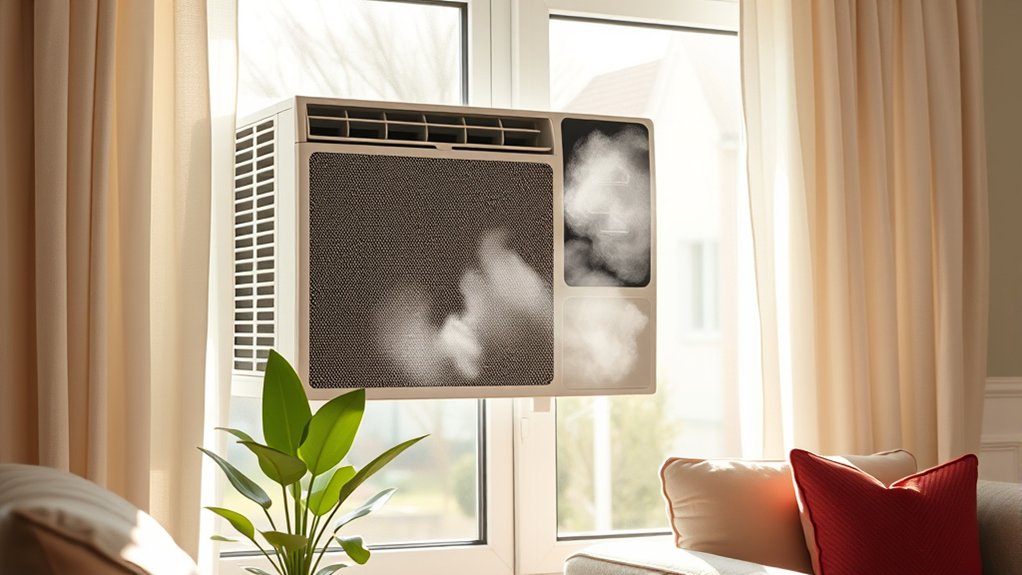
Although a window AC unit is designed to cool your space, operating it indoors can inadvertently increase humidity levels. Instead of reducing moisture, it may cause humidity to rise, especially if the unit isn’t properly maintained.
Higher humidity can lead to mold growth and musty odors, creating an uncomfortable environment. Indoor plants may thrive initially, but too much moisture can harm their roots and invite pests.
Plus, increased humidity makes it harder to breathe and reduces overall indoor air quality. If you notice damp walls or condensation, it’s a sign humidity levels are too high.
To avoid these issues, keep an eye on your indoor humidity and make sure your AC unit is working correctly. Proper maintenance can help prevent it from adding excess moisture to your space.
Potential Electrical Hazards
Using a window AC unit indoors without proper precautions can pose significant electrical hazards. Poor wiring or outdated outlets might not handle the unit’s power needs, increasing the risk of sparks or shorts.
Circuit overload is another concern. Plugging the AC into a shared circuit can trip breakers or even cause electrical fires. Keep an eye out for exposed or damaged wiring that could lead to shocks.
Overloading circuits can also lead to fires, so avoid using extension cords that aren’t rated for high power. Improper grounding can increase the risk of electric shocks.
It’s essential to make sure your electrical system can support the unit safely. Always check the wiring, avoid overloading circuits, and consider having a professional install the unit to reduce these risks.
How Indoor Use of Window ACs Can Damage Your Unit
Using a window AC indoors might seem straightforward, but it can actually cause some issues for your unit. When you run it inside, it has to work much harder to cool the space, which can make it less efficient at doing its job.
That extra effort isn’t just tiring for the AC—it also puts a lot of strain on its components. Over time, this can lead to more frequent breakdowns and the need for repairs. Ultimately, all this extra wear and tear can shorten the lifespan of your unit, meaning you’ll end up replacing it sooner and spending more money in the long run.
Reduced Cooling Efficiency
Have you noticed your window AC unit struggling to cool your space as effectively as before? Running it indoors can lead to reduced cooling efficiency. The unit may have to work harder, increasing energy use and affecting energy conservation efforts.
You might also notice higher noise levels as the compressor and fan strain to compensate. This can make your space feel warmer, even when the unit is running nonstop.
Plus, improper placement indoors can restrict airflow, causing the compressor to overheat or malfunction sooner. Over time, this can shorten your AC’s lifespan and raise repair costs.
To keep your unit running efficiently, avoid using it indoors and make sure it’s properly placed outside. Proper use helps maintain better energy conservation, quieter operation, and consistent cooling.
Increased Mechanical Strain
When you run a window AC unit indoors, the mechanical parts face unnecessary strain because they aren’t built for continuous indoor use. This extra wear puts more stress on components like the compressor and fan motors.
The compressor, in particular, works harder to circulate refrigerant without proper ventilation or airflow, which causes it to endure constant stress. Over time, this can speed up the deterioration of internal parts, making failure more likely.
Running the unit constantly also causes the motor and other moving parts to generate more heat and friction. This accelerates wear and tear, leading to earlier breakdowns than you’d see with normal outdoor use.
As a result, your AC’s mechanical systems may break down sooner, risking costly repairs and lower reliability.
Shortened Unit Lifespan
Running a window AC unit inside can significantly shorten its lifespan because it’s not designed for continuous indoor use. Over time, this misuse causes more wear and tear, making the unit less efficient and reducing how long it lasts.
Poor maintenance, like ignoring filter cleaning or skipping regular servicing, speeds up damage. Indoor use can also lead to refrigerant leaks, which hurt cooling performance and strain the compressor.
You might notice faster dust buildup, a higher chance of electrical failures, and increased risk of the compressor burning out. All these issues make the unit work harder, leading to breakdowns and costly repairs.
To keep your window AC running smoothly longer, stick to good maintenance habits and avoid running it indoors for long periods.
Does Running a Window AC Indoors Affect Air Quality and Humidity?
Using a window AC unit indoors can influence your home’s air quality and humidity levels, sometimes in ways you might not expect. While these units help cool the air, their filtration systems can trap dust, pollen, and other particles, which can improve air quality if you keep the filters clean.
If filters aren’t cleaned regularly, they can become less effective, and air quality might decline over time. Noise levels can also impact your comfort, especially if the unit makes loud sounds that disrupt sleep or focus.
Window AC units dehumidify the air as they cool, lowering humidity and making the air feel less damp. But if the unit is too small or used excessively, it might not control humidity well, leading to dry indoor air.
Is Using a Window AC Without Ventilation Safe?
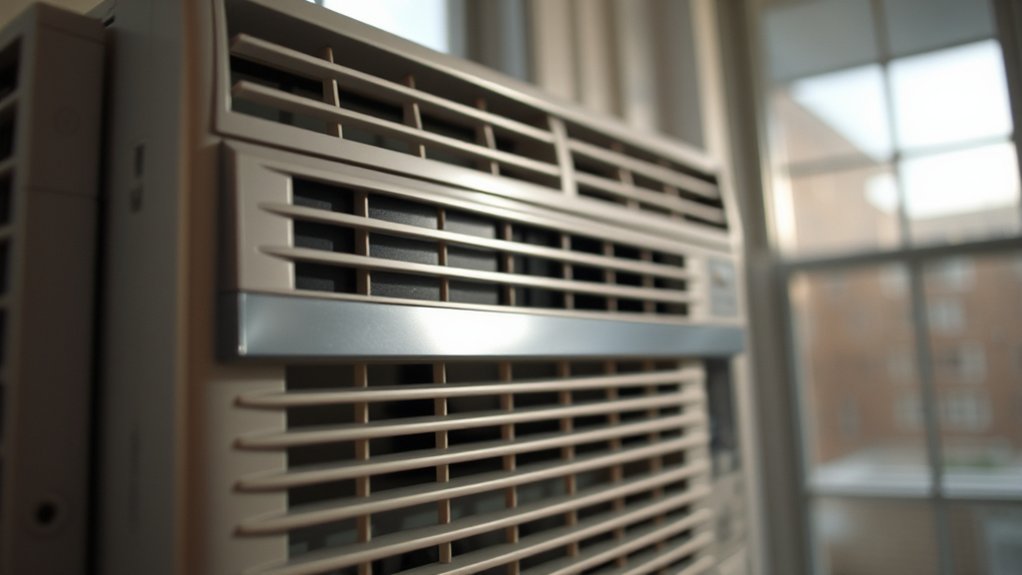
Operating a window AC unit without proper ventilation can pose safety concerns and impact indoor air quality. Without ventilation, your AC struggles to circulate fresh air, leading to stale indoor air and potential buildup of indoor pollutants. This makes it harder to remove allergens and dust from the air.
Poor ventilation can also increase noise levels because the unit has to work harder to compensate for stagnant air. You might notice reduced air filtration effectiveness, trapping more allergens, and elevated noise levels due to increased operational strain.
Additionally, indoor pollutants and odors can build up without proper airflow. There’s also a potential safety risk from overheating or electrical issues if the unit isn’t ventilated properly.
Without ventilation, your AC’s ability to keep your environment healthy decreases. Ensuring proper airflow helps improve air quality, reduces noise, and minimizes safety risks. This makes indoor use safer and more comfortable.
Can Indoor Window AC Use Lead to Mold and Mildew Growth?
Running a window AC indoors can sometimes lead to moisture building up, especially if your space isn’t well-ventilated. When there’s excess humidity, it creates a cozy environment for mold and mildew to grow. If the airflow isn’t proper, these problems can really take hold and become quite serious.
Moisture Accumulation Risks
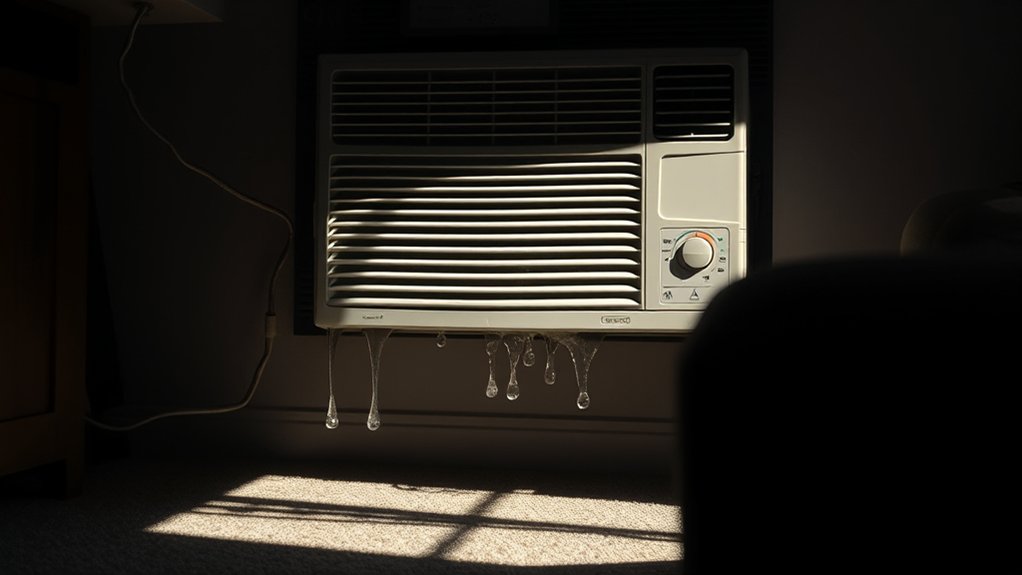
Even if your window AC unit seems like a quick fix for cooling indoors, it can also cause moisture problems if used improperly. Excess moisture from condensation can build up, leading to mold and mildew growth. Proper moisture control and condensation management are essential to avoid these issues.
Without good ventilation or drainage, moisture can collect on surfaces, making your space damp. This not only damages your home but can also affect your health. To prevent this, consider regularly draining or cleaning the unit’s condensate pan.
Using a dehumidifier alongside your AC can help, as does ensuring proper airflow around the unit. Monitoring indoor humidity levels and keeping them below 60% also helps reduce moisture risks.
These simple steps can keep your indoor environment safe, comfortable, and free from moisture-related issues.
Poor Ventilation Effects
If your indoor space lacks proper ventilation, a window AC unit can unintentionally create conditions that promote mold and mildew growth. When airflow is blocked, stale air gets trapped, raising humidity levels and creating a perfect environment for mold spores to thrive.
Poor ventilation can also lead to increased noise pollution, making it harder to notice problems like mold growth early on. Without enough airflow, moisture doesn’t escape properly, leading to damp surfaces and hidden mold behind walls or furniture.
Running a window AC without proper ventilation makes these issues worse, risking health problems and property damage. To avoid this, make sure your space has good airflow and consider adding extra ventilation methods if needed.
Proper ventilation is key to keeping indoor air fresh and mold-free.
Does Running a Window AC Inside Increase Your Energy Bills?
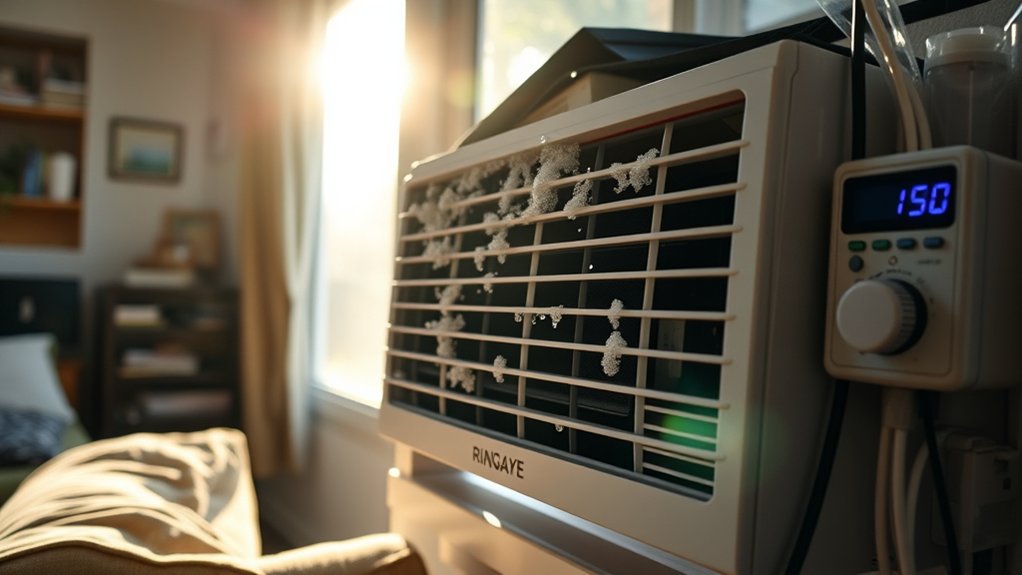
Using a window AC unit inside can definitely bump up your energy bills, especially if you run it frequently or leave it on for long periods. The main reason is increased energy consumption, which directly impacts your utility costs. Running the AC for extended hours or at high settings leads to higher power use, resulting in larger bills.
To understand the cost implications, consider these factors:
- Continuous operation increases overall energy consumption.
- Higher thermostat settings save energy but may reduce cooling effectiveness.
- Older units tend to be less efficient, raising costs.
- Proper maintenance keeps the unit running efficiently, reducing expenses.
Being mindful of how long and at what setting you run the AC helps control your energy costs. Investing in an energy-efficient model or using a programmable thermostat can also minimize the impact on your monthly bills without sacrificing comfort.
What Are Better Ways to Cool Your Home Safely?
To cool your home safely and effectively, consider installing energy-efficient cooling systems like ceiling fans, portable fans, or evaporative coolers. These options help improve air circulation and reduce reliance on window units, which can cause air filtration issues and increase indoor humidity.
Ceiling fans, for example, circulate air without generating much noise, keeping comfort levels high while staying quiet. Portable fans are versatile and easy to move around, providing targeted cooling without impacting air quality.
Evaporative coolers add moisture to the air, making them great for dry climates. They also naturally filter dust and airborne particles, helping improve indoor air quality.
Using these systems together ensures better air filtration, minimizes noise, and creates a safer, healthier environment. They’re also more energy-efficient, which lowers your overall energy bills while keeping your home comfortable.
How to Install and Use Your Window AC for Optimal Performance
Proper installation is key to getting the most out of your window AC unit. To maximize energy efficiency and cooling performance, follow these tips.
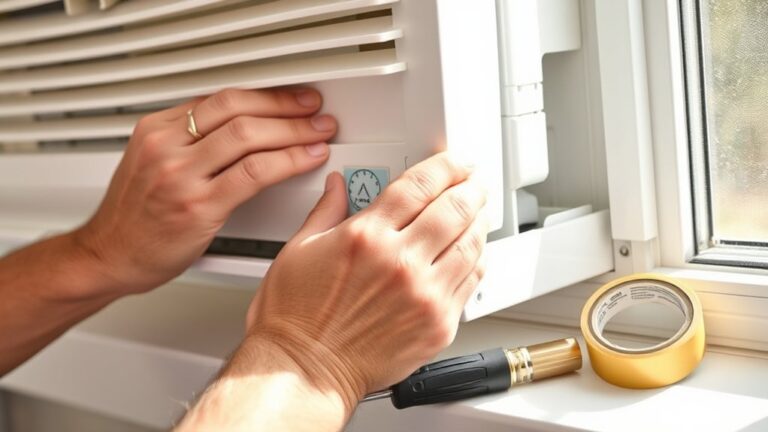
First, make sure the unit is securely and levelly installed in the window frame. Use weather stripping around the edges to prevent air leaks and improve efficiency.
Ensure the exhaust hose or vent is unobstructed so hot air can escape properly. Keep the area around the unit clear of clutter to promote good airflow.
Finally, set the thermostat to an ideal temperature around 78°F when you’re home. This helps balance comfort and energy savings.
Regularly clean or replace filters to maintain efficiency and prevent strain on the motor. These tips will help your window AC run smoothly, cool effectively, and save you money.
Proper setup not only improves performance but also extends the lifespan of your unit.
Signs Your Window AC Isn’t Suitable for Indoor Use
Even with perfect installation, your window AC might not be the right fit for indoor use if certain signs appear. One clear indicator is poor energy efficiency. If your energy bills spike despite consistent use, the unit may be struggling to cool effectively inside.
Even with perfect installation, signs like poor energy efficiency indicate a window AC may not be suitable for prolonged indoor use.
High noise levels can also signal a problem. If your AC suddenly becomes louder or emits unusual sounds, it could be due to internal issues or improper design for indoor environments.
Another sign is inconsistent cooling or frequent cycling, which suggests the unit isn’t optimized for indoor air conditions. You might also notice excess vibration or rattling, indicating mounting issues or internal damage.
These signs point to a device that’s better suited for outdoor or window use rather than prolonged indoor operation. Recognizing these cues helps prevent unnecessary wear and ensures you choose the right cooling solution for your space.
Frequently Asked Questions
Can Running a Window AC Indoors Cause Electrical Hazards?
Running a window AC unit indoors can cause electrical hazards if it’s not installed or maintained properly. Faulty wiring or overloading circuits can pose serious safety risks, so make sure your setup is correct.
While window units can help improve air quality by filtering pollutants, using them improperly indoors might reduce energy efficiency. Regular maintenance is key to preventing hazards and keeping your unit running smoothly.
Keeping your AC well-maintained protects your home and your health, so don’t overlook routine checks and proper installation.
How Does Indoor Use Impact a Window Ac’s Lifespan?
Running a window AC unit indoors can shorten its lifespan if you neglect proper installation and maintenance. Poor installation may cause strain on components, which can reduce energy efficiency and increase wear.
Regular cleaning and making sure it’s correctly mounted help prolong its life. If you follow installation guidelines and stay on top of maintenance, your unit will stay more energy-efficient.
This means it will last longer even if you’re using it indoors a lot. Taking care of your window AC is key to getting the most out of it.
Will Running a Window AC Indoors Cause Noise Issues?
Running a window AC indoors can cause noise issues, especially since these units produce sound levels between 50-60 decibels. You might notice increased noise, which can be disruptive, especially in poorly insulated spaces.
Insulation challenges can make the noise seem even louder. To reduce this, seal gaps around the unit and try placing it somewhere where the sound isn’t as bothersome.
This will help create a more comfortable indoor environment with less noise disturbance.
Can Indoor Use of a Window AC Lead to Refrigerant Leaks?
Running a window AC indoors can potentially lead to refrigerant leaks if the unit isn’t properly maintained. Over time, seals and fittings may weaken, causing refrigerant to escape.
This can reduce indoor cooling efficiency and harm the environment. To prevent leaks, make sure your unit is regularly serviced and avoid tampering with internal parts.
Proper maintenance keeps your AC running efficiently and minimizes the risk of refrigerant leaks.
Is It Necessary to Modify a Window AC for Indoor Operation?
You don’t need to modify your window AC for indoor use, but don’t assume it’s built for that either.
Ironically, most units lack indoor compatibility, meaning they’re designed to vent outside. If you overlook this, you might face issues like poor cooling or moisture buildup.
Window modifications aren’t usually necessary, but understanding your AC’s design helps avoid mishaps and guarantees safe, efficient indoor operation.
Conclusion
Running a window AC inside your home is like trying to fit a square peg in a round hole. It’s simply not designed for indoor use and can cause more harm than good.
You risk damaging your unit, compromising air quality, and wasting energy. Instead, think of your AC as a loyal compass guiding you to better cooling solutions.
Installing it properly or exploring alternatives guarantees your comfort doesn’t come at the expense of safety or efficiency. For safe and effective cooling, use your window AC as intended or opt for other options.
Choosing the right setup helps keep your home cool and your worries at bay. Running a window AC inside your home isn’t advisable, so make sure to use it properly or consider better-suited cooling solutions.