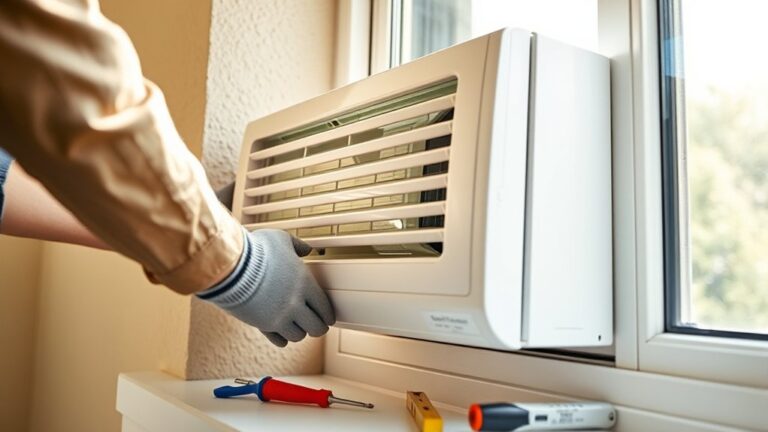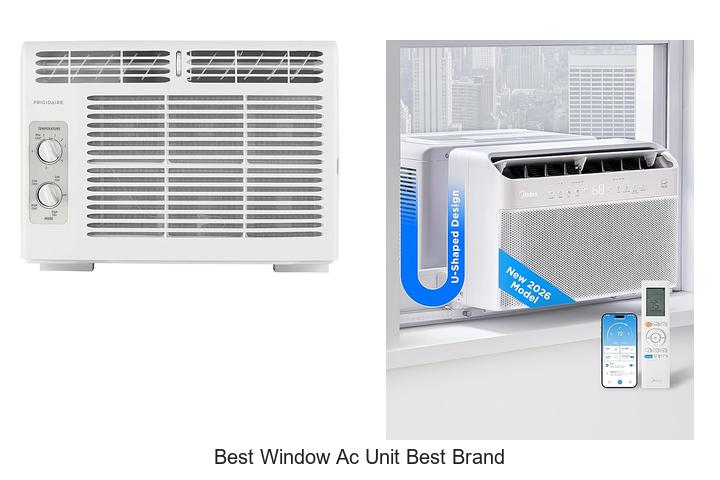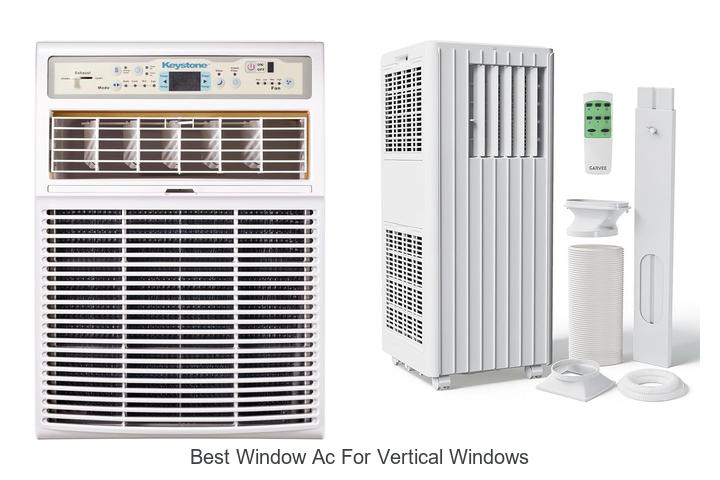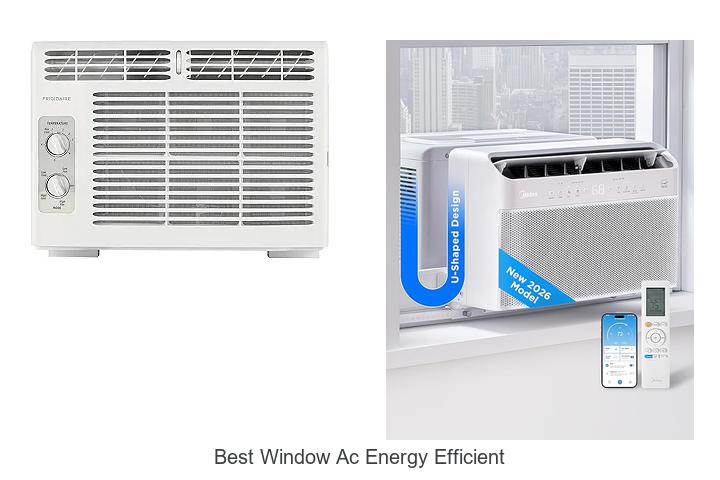
Can Window AC Units Be Recharged?
Many people rely on their window AC units to keep cool during hot days, but what happens when it doesn’t seem to work as well? If your unit is blowing warm air or isn’t cooling effectively, you’re not alone—these issues are common and often frustrating.
You might wonder if a simple recharge could fix the problem.
Yes, you can recharge a window AC unit to restore its cooling power, but it requires proper tools, knowledge, and safety precautions.
If you notice weak airflow, warm air, or ice on the coils, it might need a refrigerant refill.
However, handling refrigerants can be dangerous if you’re not trained, so it’s best to understand the correct process or seek professional help.
Keep going to learn how to do it safely and effectively.
Key Takeaways
- Yes, window AC units can be recharged with refrigerant to restore their cooling power.
- Recharging needs the right knowledge, tools, and safety precautions to prevent damage or hazards.
- It’s best to let a professional handle refrigerant recharging because it’s complex and regulated.
- The process involves checking refrigerant levels, finding the right type, and carefully adding refrigerant through service ports.
- Regular maintenance and proper recharges can boost performance and help your AC last longer.
How Do Window AC Units Work and Why Refrigerant Matters
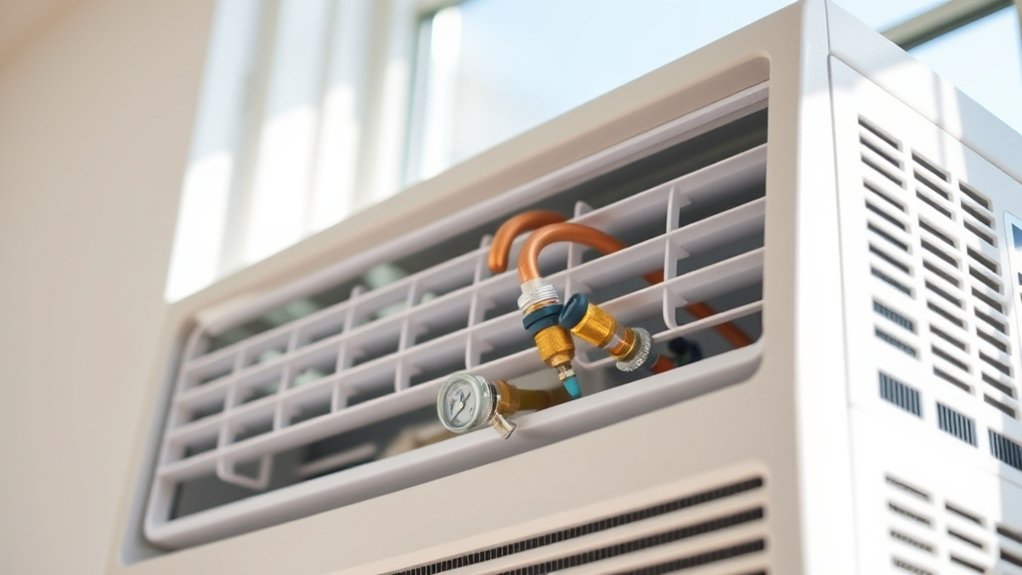
Since window AC units rely on refrigerant to cool the air, understanding how they work is key to knowing why maintaining the right refrigerant level matters. Refrigerant types, such as R-22 or R-410A, play a vital role in how efficiently your unit cools.
Proper refrigerant levels are essential for efficient and effective window AC cooling.
When refrigerant circulates through the system, it absorbs heat from indoor air and releases it outside, creating a cooling cycle. If the refrigerant level is too low, your AC struggles to absorb heat, which reduces cooling efficiency and increases energy consumption.
Conversely, overcharging can cause system damage. Maintaining the correct refrigerant amount guarantees maximum cooling performance and energy efficiency.
Knowing how refrigerant functions in your window AC helps you recognize the importance of proper maintenance and potential issues like leaks. Proper refrigerant management guarantees your unit cools effectively, saving you money and extending its lifespan.
Can You Recharge a Window AC Yourself? Risks and Considerations
Thinking about recharging your window AC on your own? Well, it’s not as simple as it sounds, and there are a few things you should keep in mind. If you’re not familiar with safety procedures or don’t have the right tools, you could easily end up damaging your unit or even hurting yourself.
It’s really important to understand the safety precautions before you dive in. Using the wrong equipment or techniques can lead to leaks, overcharging, or other issues that might make your AC less effective or cause it to break down. So, if you’re considering doing it yourself, make sure you do plenty of research and know exactly what you’re doing.
Safety Concerns and Precautions
Attempting to recharge a window AC unit yourself can be dangerous if you’re not properly trained or equipped. Handling refrigerants without proper knowledge can lead to serious safety issues.
Refrigerant safety is a major concern because mishandling these chemicals can cause frostbite, burns, or respiratory problems. It’s important to be cautious and understand the risks involved.
Handling precautions are critical; refrigerants are pressurized and can escape suddenly. This can result in eye or skin injuries if you’re not careful.
Without the right protective gear, you risk exposure to harmful fumes and leaks. Safety equipment is essential to prevent health issues during the process.
Refrigerants can also be flammable under certain conditions, which adds to the fire hazard. Always consider these dangers before attempting a recharge.
If you’re unsure about the proper procedures or lack safety gear, it’s best to leave the job to professionals. Your safety should always come first.
Remember to understand the risks, follow safety guidelines, and know when to seek expert help to avoid accidents or health problems.
Proper Equipment and Techniques
To safely recharge a window AC unit, you need the right equipment and proper techniques, which are usually not beginner-friendly. First, you have to identify the correct refrigerant types for your unit because using the wrong one can cause damage or make it less efficient.
Specialized tools like a manifold gauge set and an accurate refrigerant scale are essential for precise charging. It’s also important to ensure your equipment is properly calibrated; gauges need to be set correctly to avoid overcharging or undercharging.
Handling refrigerants requires knowledge of proper safety procedures to prevent leaks or exposure. Without proper training, trying to recharge your AC can damage the system, void warranties, or pose safety risks.
For the best results, it’s a good idea to consult a professional who has the right equipment and expertise.
Signs Your Window AC Needs Refrigerant
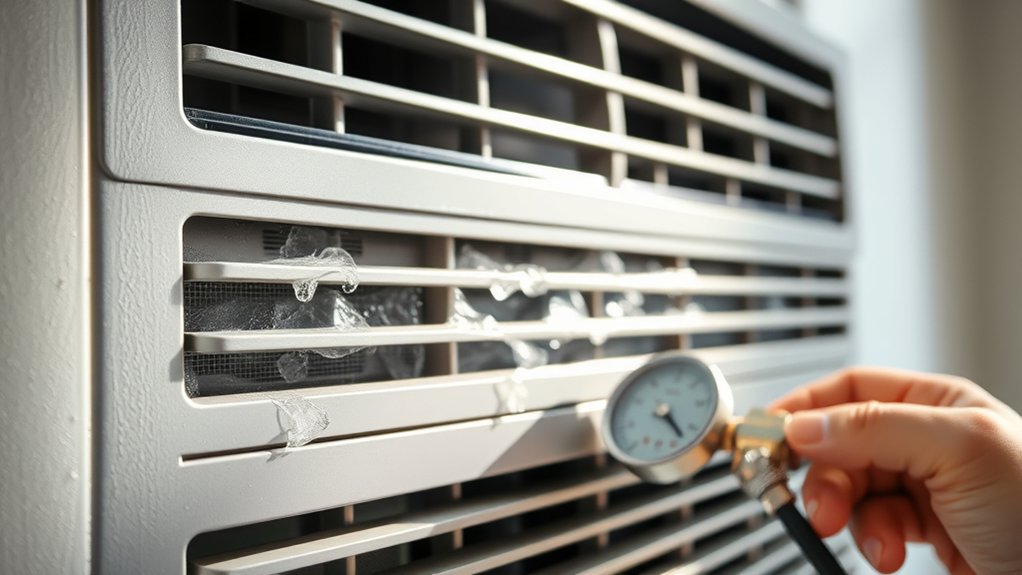
If your window AC isn’t cooling as well as it used to, or if you notice ice forming on the coils, that’s usually a sign it might need some refrigerant. You might also see your energy bills start to creep up even though you’re not changing your habits.
Catching these signs early is a good idea because it can help you figure out if a recharge is necessary before things get more complicated.
Reduced Cooling Performance
One of the clearest signs your window AC needs refrigerant is a noticeable drop in cooling performance. If your unit isn’t cooling effectively, it could be due to refrigerant leaks or reduced cooling efficiency.
You might notice warm air blowing instead of cold, longer cooling times, or the unit running constantly without reaching the desired temperature. These issues often indicate insufficient refrigerant levels, which impair heat transfer.
Keep an eye out for warm air from vents, longer cycle durations, inconsistent temperature control, increased energy bills, and ice buildup on coils (though we’ll discuss that later).
Addressing refrigerant leaks or low levels can restore your AC’s cooling capacity. Ignoring these signs risks further damage and diminished cooling efficiency.
Unusual Ice Formation
Have you noticed patches of ice forming on your window AC’s coils or around the vents? This ice buildup or frost accumulation usually means something’s not right.
It’s often caused by low refrigerant levels. When there isn’t enough refrigerant, your unit can’t absorb heat properly, which leads to excess moisture on the coils that then freezes.
This ice formation can block airflow and make your AC less efficient. It also causes the unit to work harder than it should.
If you see frost covering the coils or thick patches of ice, it’s a clear sign your AC needs some attention.
Ignoring this can lead to more damage and worse cooling performance.
Getting the refrigerant levels checked or calling a professional to look at the system can help prevent bigger problems and get your AC back to working properly.
Increased Energy Bills
When your energy bills suddenly spike without a clear reason, it’s often a sign that your window AC isn’t running efficiently. Low refrigerant levels could be the culprit. If your unit needs frequent cooling cycles or struggles to keep the temperature steady, it might be time for a refrigerant recharge.
Fixing this can cut down your energy use and make your AC work better overall. To prevent issues like this, focus on energy-efficient upgrades and seasonal maintenance. Regularly cleaning filters and inspecting seals can keep your unit running smoothly.
You might also notice increased humidity or uneven cooling, which could mean refrigerant problems. Keeping your AC well-maintained not only saves you money but also helps it last longer. Don’t ignore these signs—getting the refrigerant recharged on time can restore efficiency and lower your bills.
Which Refrigerant Does My Window Air Conditioner Use?
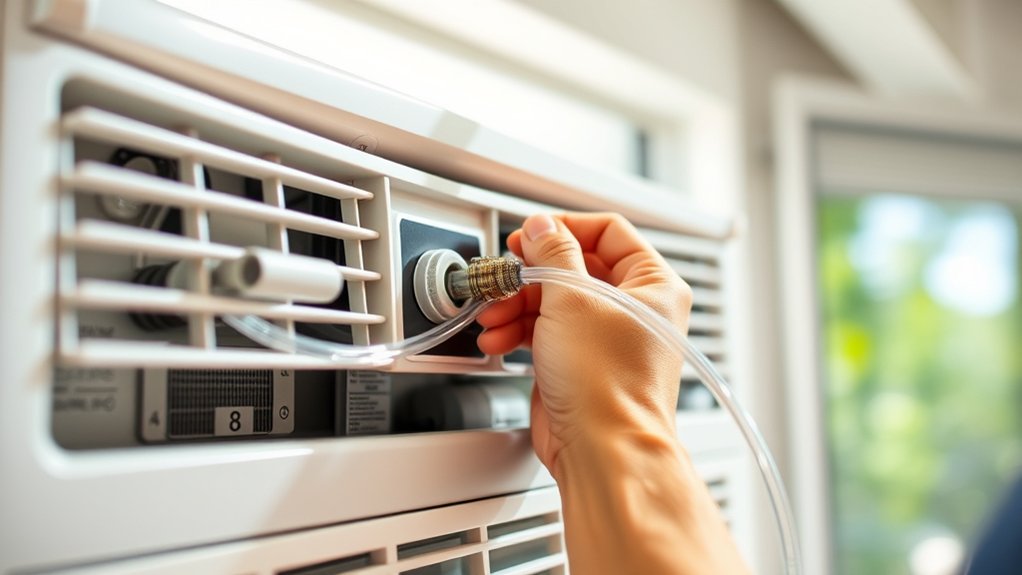
Knowing which refrigerant your window air conditioner uses is important before you do any maintenance or recharging.
Different models use different refrigerants, and using the wrong one can damage your unit or harm the environment.
Common refrigerants include R-22, R-410A, and R-134a. Each has its own properties and environmental impact.
R-22 was popular but is now phased out because it depletes the ozone layer. It’s less eco-friendly.
R-410A is now standard in most modern units. It’s more efficient and has a lower environmental impact.
Check your unit’s label to identify the refrigerant type. This ensures proper maintenance and eco-conscious choices.
How to Recharge Your Window AC: Step-by-Step
Looking to recharge your window AC? No worries! First, you’ll want to gather all the tools you’ll need, like a refrigerant gauge and refill kit. Having everything ready makes the process way smoother.
Before you start, double-check what type of refrigerant your unit needs and how much to add. This info is usually found on the label or in the user manual. Getting the right refrigerant and amount is super important to keep your AC running efficiently.
Once you’ve got everything sorted, just follow the proper steps carefully. Remember, it’s all about adding the refrigerant gradually and avoiding overdoing it. Take your time, and you’ll have your window AC cooling perfectly in no time!
Gather Necessary Tools
Before you start recharging your window AC, gather all the necessary tools to ensure a smooth process. Having the right tools ready helps make the job safer and more efficient.
You’ll need to identify the correct refrigerant type for your unit since using the wrong one can damage the system. Proper tool maintenance is key to a safe, effective recharge.
Prepare these items: refrigerant gauge set, leak detection kit, safety goggles and gloves, vacuum pump, and a wrench or adjustable pliers. Having everything on hand prevents delays and keeps you confident during the process.
Double-check that all your equipment is in good condition before you start. This helps you avoid potential issues and makes sure everything works smoothly from start to finish.
Properly Refill Refrigerant
Once you’ve gathered all your tools and confirmed they’re in good condition, it’s time to carefully refill the refrigerant. First, identify the correct refrigerant type for your unit. Common options include R-22 or R-410A. Using the wrong refrigerant can damage your AC and harm the environment.
Connect the recharge kit’s hose to the low-pressure service port, usually marked with a blue cap. Slowly add refrigerant, keeping an eye on the pressure gauge to avoid overcharging. Remember, releasing refrigerant improperly can harm the environment by contributing to ozone depletion and global warming.
Always follow the manufacturer’s instructions and local regulations. If you’re unsure or uncomfortable doing this yourself, it’s best to call a professional. Properly refilling refrigerant keeps your window AC running efficiently while reducing environmental impact.
Common Mistakes When Recharging Your Window AC
One common mistake when recharging your window AC is using the wrong type or amount of refrigerant, which can lead to system inefficiency or damage. Overcharging can make your unit use more energy, reducing efficiency, while undercharging hampers its cooling ability.
Improper handling may also cause leaks, which affect noise levels and the overall lifespan of your system. To avoid these issues, make sure you’re using the correct refrigerant type specified for your unit.
Be precise when measuring refrigerant levels during the recharge. Avoid overfilling or underfilling the system to keep everything running smoothly.
Check that all connections are airtight to prevent leaks. Handle refrigerant with proper safety precautions to stay safe during the process.
Paying attention to these details helps keep your AC energy-efficient and quiet. It also prevents unnecessary wear and extends your unit’s lifespan, saving you money on repairs and utility bills.
When to Call a Professional for Your Window AC Recharge
Recharging your window AC isn’t always simple, especially if you’re unsure about handling refrigerants safely and correctly. If you notice issues like poor cooling, strange noises, or leaks, it’s a good idea to call a professional. They can check if outdoor maintenance or airflow adjustments are needed to boost efficiency.
Trying to recharge without the right knowledge might do more harm than good. It could cause refrigerant leaks or damage to your system, which will cost more to fix later.
Look out for these signs:
| Symptom | Possible Cause | Action Needed |
|---|---|---|
| Poor cooling performance | Refrigerant leak or low refrigerant | Call a licensed technician |
| Unusual noises | Mechanical failure or debris | Get a professional inspection |
| Excessive energy use | Dirty filters or airflow issues | Have an expert adjust airflow |
| Ice on coils | Airflow restriction | Outdoor maintenance needed |
| Frequent cycling | Thermostat or refrigerant problems | Seek professional diagnosis |
When you’re unsure, it’s best to consult a pro. That way, your window AC stays efficient and safe to use.
How Much Does Recharging a Window AC Cost?
The cost to recharge a window AC unit can vary based on a few factors like the size of your unit, the type of refrigerant it needs, and whether any other repairs are involved. Usually, you’ll spend between $100 and $300 if you hire a professional.
Recharging a window AC costs $100–$300, depending on size, refrigerant, and repairs needed.
Larger units or ones that require high-efficiency refrigerants tend to cost more to recharge. Keep in mind that recharging can make your AC work more efficiently, which might help lower your energy bills in the long run.
It can also reduce noise levels if your unit isn’t cooling properly because of low refrigerant.
Here are some key cost factors to consider:
- Size of the unit
- Type of refrigerant (like R-22 or R-410A)
- Labor charges
- Any additional repairs needed
- Your location and service provider rates
Knowing these details can help you plan your budget better. Plus, it ensures your AC runs smoothly, stays efficient, and keeps noise levels down.
Troubleshooting Cooling Problems Besides Recharging
If your window AC isn’t cooling effectively even after recharging, other issues could be to blame. First, check the air filter. A clogged or dirty filter restricts airflow, making the unit work harder without cooling properly. Regular air filter maintenance ensures proper airflow and improves cooling efficiency.
Next, inspect the drainage system. Blocked or clogged drainage holes can cause water buildup inside the unit, leading to poor performance or leaks. Clear any obstructions to allow proper drainage and prevent moisture-related issues.
Also, confirm that the condenser coils are clean. Dirt and debris on the coils reduce heat transfer, impairing cooling. Finally, verify that vents are open and unobstructed, allowing cool air to circulate freely.
Tips to Keep Your Window AC Running Efficiently
To keep your window AC running efficiently, regular maintenance is key. Start by replacing or cleaning the air filter every month during peak use. A clean filter helps improve airflow and cooling performance.
Regularly clean or replace your air filter each month for optimal AC performance.
Also, check for unusual noises, which could mean worn parts or debris. Keep the unit’s exterior free of dust and debris to avoid straining the motor.
Consider these tips for optimal operation: replace or clean the air filter regularly, inspect and clean the condenser coils, and make sure the seal around the window is tight.
Don’t forget to clear the area around the outdoor compressor and schedule professional maintenance once a year.
Addressing noise issues early helps prevent bigger problems, and keeping the filter clean boosts efficiency. Staying on top of these tasks lowers energy use and helps your AC last longer.
Regular upkeep keeps your window AC cooling well without unnecessary strain.
Frequently Asked Questions
How Often Should I Recharge My Window AC?
You should recharge your window AC when it starts cooling less effectively, usually every couple of years. Regular recharging helps keep it running efficiently and can save you money on energy bills.
Keep an eye out for leaks or reduced cooling performance. Consider the costs of professional recharging versus potential damage from neglect.
Proper maintenance ensures your AC works well and lasts longer. This way, you stay comfortable all summer long without worries.
Can Using the Wrong Refrigerant Damage My AC?
Using the wrong refrigerant is like trying to fit a key into the wrong lock—damage is inevitable. Different refrigerant types match specific system requirements, so using the wrong one can cause serious harm.
Using an incompatible refrigerant can damage your AC’s compressor and reduce efficiency. Proper maintenance means regularly checking refrigerant types and levels to keep everything running smoothly.
Always consult your unit’s manual or call a professional to make sure you’re using the right refrigerant. Doing so protects your investment and helps your AC stay in good shape.
Is Recharging My Window AC Environmentally Safe?
Recharging your window AC with the right refrigerant types can be environmentally safe if you choose eco-friendly options like R-410A instead of older, ozone-depleting refrigerants. Using the correct refrigerant is a good step toward being more environmentally conscious.
Proper handling and professional servicing also help minimize environmental impact. This ensures leaks are prevented, which could otherwise harm the environment. Always check refrigerant labels and go for responsible choices.
Your efforts to choose eco-friendly refrigerants and get professional help help reduce ozone depletion and global warming. Recharging your AC becomes a safer process for the planet when you follow these steps.
What Are the Legal Restrictions on Refrigerant Handling?
You’re walking a tightrope when handling refrigerants, so make sure you’re following the law. Handling refrigerants without proper refrigerant licensing can land you in hot water.
Legal compliance is key; many regions require certified training to work with these chemicals. Always stay updated on local regulations, as penalties can include hefty fines or even jail time.
Play it safe, and never cut corners with refrigerant handling.
How Long Does a Typical AC Recharge Process Take?
A typical AC recharge process takes about 30 minutes to an hour, depending on your unit’s size and condition. During this time, it’s a good idea to check for leaks and clean filters to keep things running smoothly.
If your AC isn’t cooling properly, troubleshooting steps like checking refrigerant levels can help find the problem. Just remember, handling refrigerant requires care and proper training to stay safe and avoid legal issues.
Conclusion
Remember, your window AC needs refrigerant to cool effectively. It requires attention when it leaks or struggles and benefits from regular maintenance.
Whether you recharge it yourself or call a professional, keep an eye on signs, understand your unit, and prioritize safety. Recharging helps keep it running smoothly.
Troubleshooting can resolve many issues, and proper upkeep ensures comfort all season. Stay proactive, stay informed, and enjoy a cool, efficient space all summer long.