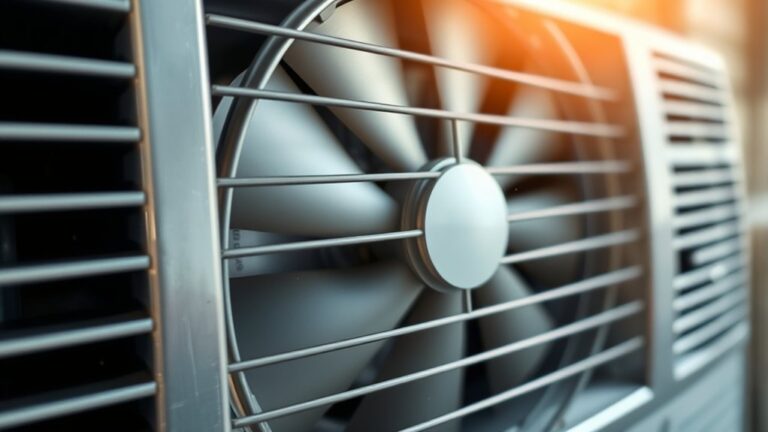
How to Stop Bugs Coming Through Your Window AC
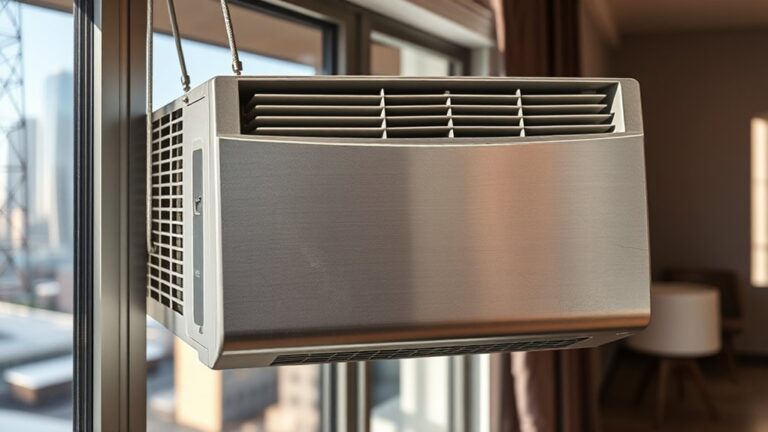
Many people struggle with bugs sneaking through their window AC units, especially during warmer months. It’s a common frustration that can make relaxing at home much less comfortable.
Luckily, there are simple ways to keep those pesky insects out and enjoy a bug-free space.
To stop bugs from coming through your window AC, start by inspecting and sealing any gaps or cracks around the unit with weatherstripping, foam sealant, or caulk.
Install fine mesh screens and covers to block tiny insects while allowing airflow.
Reduce attractants by keeping the area clean, removing standing water, and switching outdoor lighting to bug-repellent options.
Using natural repellents like basil or lavender can help.
Want more tips? Keep exploring to learn how you can make your space bug-proof.
Key Takeaways
- Seal gaps around the window frame and AC unit with weatherstripping, caulk, or foam to keep bugs out.
- Install fine mesh screens or covers over the AC and window to block insects while still letting air in.
- Reduce outdoor attractants by turning off unnecessary lights and clearing away standing water or debris nearby.
- Use herbal repellents like citronella, lavender, or mint to naturally deter bugs around the window area.
- If bugs keep coming in despite sealing and barriers, consider calling a professional pest control service.
Why Do Bugs Keep Coming Through Your Window Air Conditioner?
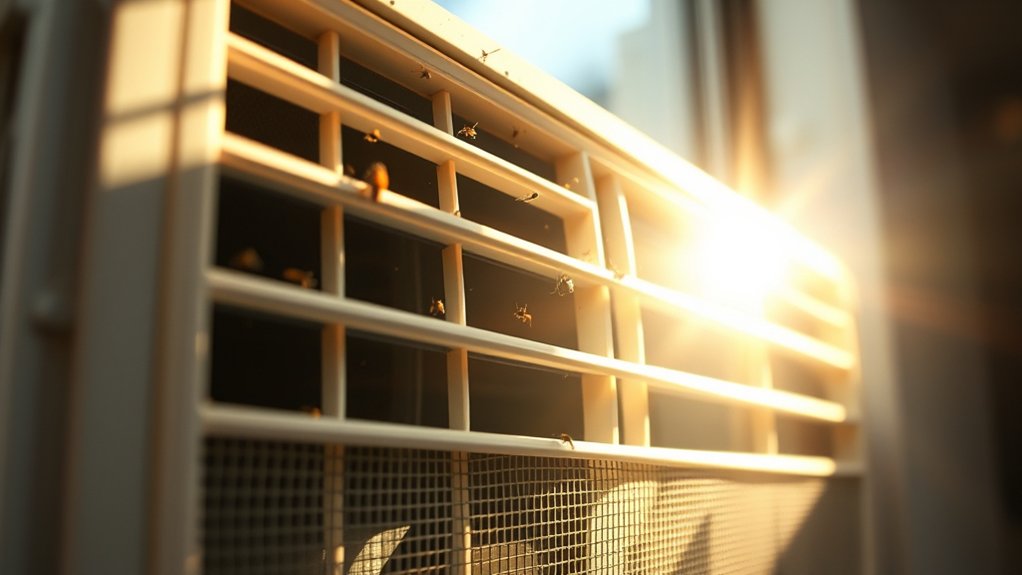
Bugs are attracted to the warmth and light coming from your window air conditioner, especially at night. This is because many bugs seek out cozy, well-lit spots for shelter or food.
The warmth from your AC creates a welcoming environment, mimicking natural heat sources that bugs naturally follow. Light also plays a big role, as many insects are drawn to artificial lighting, mistaking it for natural sources like moonlight.
Certain bugs like moths, flies, and beetles are more prone to this attraction because of their habits and sensory preferences. They might see the AC as a nice place to rest or check out.
If your window unit stays on during the evening, you’re more likely to attract bugs. Understanding this behavior can help you take steps to prevent them from coming inside.
Inspect and Seal Gaps Around Your Window AC
Inspecting and sealing gaps around your window air conditioner is a key step in keeping bugs out of your home. Small openings can not only let pests in but also affect indoor air quality.
Take a close look around the unit for cracks or gaps that pests might use to get inside. Sealing these with weatherstripping, foam sealant, or caulk forms a barrier that blocks entry points.
Doing this reduces the chances of insects entering and also boosts energy efficiency and indoor air quality. Pay special attention to the edges of your AC, the window frame, and any existing seals.
Regular inspections, especially before peak pest seasons, help keep your home bug-free. Sealing gaps effectively creates a healthier, more comfortable space and addresses seasonal pest patterns proactively.
Install Fine Mesh Screens to Keep Bugs Out
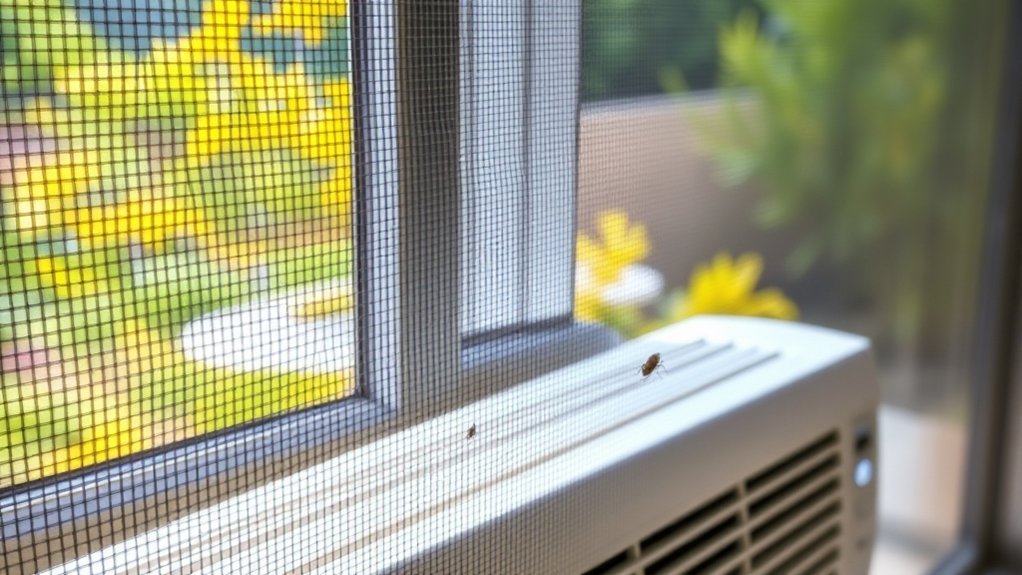
After sealing gaps around your window AC, the next step is to keep bugs out through smaller openings. Installing fine mesh screens creates an effective bug barrier that blocks insects but still allows airflow.
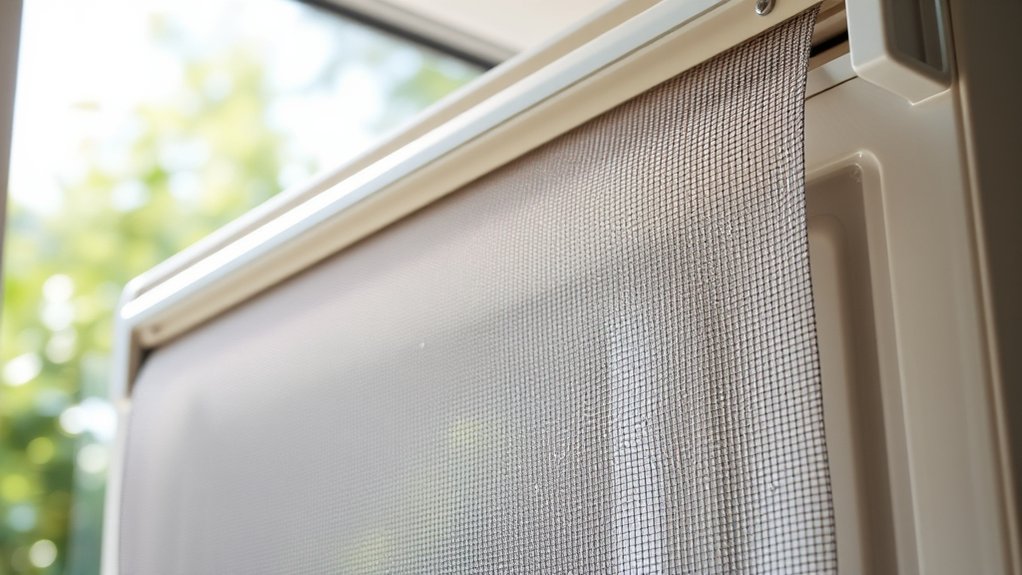
Choose mesh screens made of durable, fine material specifically designed to keep out tiny bugs like gnats and fruit flies. Attach the screens securely around the perimeter of your window AC, making sure they fit tightly without gaps.
This simple addition adds an extra layer of protection, especially during warm months when bugs are most active. Mesh screens are easy to install and remove for cleaning, so you can maintain good airflow without sacrificing your bug barrier.
Keep in mind, the finer the mesh, the better it will keep out even the smallest insects. Properly installed mesh screens are an affordable, effective way to significantly reduce bug entry through your window AC and help you enjoy a bug-free indoor environment.
Apply Weatherstripping to Block Entry Points
First off, take a good look at your window frame and see if there are any gaps or cracks where bugs could sneak in. It’s a good idea to find weatherstripping that matches the size and shape of those spots. Once you’ve got the right stuff, carefully install the seals so everything fits snugly and keeps those bugs out.
Identify Gaps and Cracks
Before sealing your window air conditioner, it’s important to spot any gaps or cracks where bugs might sneak in. Finding these entry points early helps you know exactly where to seal.
Look carefully around the edges of your AC unit and the window frame, checking for small openings. Even tiny gaps can be enough for bugs to get inside.
Use a flashlight or a piece of paper to find hidden spaces you might miss at first glance. Once you see where the gaps are, plan to use the right sealing materials to block them effectively.
Remember, even small cracks matter when it comes to keeping pests out. Addressing all these gaps makes your weatherstripping work better, creating a tight seal.
This not only keeps bugs out but also helps with energy efficiency. Don’t skip this step—thorough gap detection is key to a bug-free zone.
Select Appropriate Weatherstripping
Choosing the right weatherstripping is essential to effectively block those pesky bugs from entering through your window AC. When selecting weatherstripping, consider your climate—pick materials suited for your area’s humidity and temperature swings.
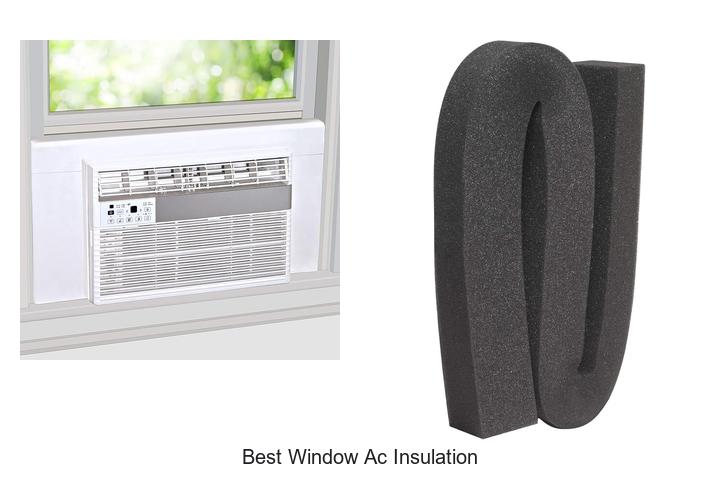
Proper insulation not only keeps bugs out but also boosts your energy efficiency. Foam tape, V-seal, or rubber gaskets are popular options for sealing gaps around your AC unit. Make sure the weatherstripping fits snugly without restricting window movement.
Measure carefully to avoid gaps that can let bugs sneak in. Durable materials will withstand weather changes and last longer. By choosing the right weatherstripping, you create a tighter seal, making it much harder for bugs to find their way in through small entry points around your window AC.
Properly Install Seals
Once you’ve picked the right weatherstripping, the next step is to install it properly to ensure a tight seal around your window AC. A good seal prevents bugs from getting in and helps airflow work better, making your space more comfortable.
Make sure the weatherstripping fits snugly along the edges without gaps. When applying, check for any uneven surfaces or debris that could weaken the seal. For a neat look, choose weatherstripping that matches your window decor and blends in seamlessly.
Seal all potential entry points thoroughly, paying close attention to corners and edges. This not only blocks bugs but also boosts energy efficiency by preventing drafts. Remember, a well-installed seal is key to keeping pests out and your window AC running smoothly.
Reduce Attractants Near Your Window AC
To keep bugs away from your window AC, try to eliminate or reduce things that draw insects nearby. Start by removing any standing water or debris around your window since they attract mosquitoes and pests.
Using plant-based repellents around the area can also help naturally keep bugs at bay. Plants like citronella, lavender, or basil are good choices because they repel insects without chemicals.
Managing outdoor lighting is important too. Bugs love bright lights, so switch to yellow or sodium vapor bulbs, or just turn off unnecessary lights at night.
Keep the space around your window clear of clutter and trash. These can be hiding spots for pests and invite bugs closer.
Maintain Your AC Unit to Prevent Cracks and Gaps
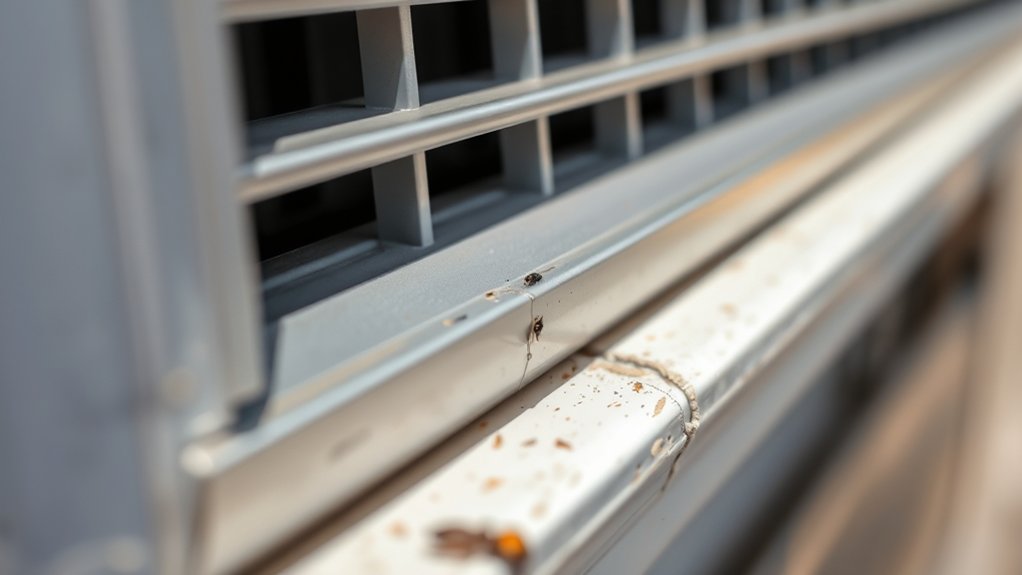
Regularly inspecting and maintaining your window AC unit is essential because cracks and gaps can give bugs an easy way in. Start by checking the seals around your unit and resealing any leaks with weatherstripping or caulk.
Regular inspections and sealing cracks keep bugs out and extend your AC’s lifespan.
Proper air filter maintenance is vital; a clean filter improves efficiency and prevents debris buildup that can cause cracks over time. Keep an eye on refrigerant levels, as low refrigerant can lead to uneven cooling and stress on the unit’s components, potentially causing cracks or gaps.
Also, inspect the exterior casing for signs of damage or deterioration, and repair or replace parts as needed. Keeping your AC well-maintained not only keeps bugs out but also extends its lifespan.
Regular upkeep helps you catch small issues before they turn into bigger problems, creating a tighter, more effective barrier against pests.
Use Natural Repellents Near Your Window
Natural repellents can be a great way to keep bugs away from your window area without using chemicals. You can try herbal sprays or place aromatic plants nearby to scare off insects.
These natural options give off scents bugs dislike, creating a protective barrier around your window. For example, basil, lavender, and mint are aromatic plants that repel mosquitoes and flies.
Herbal sprays made from these plants can be spritzed around your window frame regularly for extra protection. This way, you keep bugs at bay using simple, natural solutions.
| Plant/Repellent | Scent | Effectiveness |
|---|---|---|
| Basil | Strong | Repels flies |
| Lavender | Floral | Fights mosquitoes |
| Mint | Invigorating | Keeps bugs away |
Cover Your Window With Bug-Repellent Curtains or Covers
Herbal sprays and aromatic plants can help keep bugs away, but sealing off your window is a more effective approach. Covering your window with bug-repellent curtains or covers creates a physical barrier that stops insects from sneaking in through gaps.
Fabric curtains made with tightly woven material are strong enough to block even tiny bugs while still letting air flow through. Bug covers, like mesh screens or specially designed covers, fit snugly over your window or AC unit to provide continuous protection.
These covers are easy to install and remove, making them practical for seasonal use or when cleaning. To get the best results, pick covers with fine mesh and make sure they fit securely around your window frame.
Combining these covers with other bug prevention methods creates a thorough defense. Taking this step can significantly reduce the chances of pests entering through your window AC, helping keep your space clean and bug-free.
Clean and Vacuum Around Your Window Area Regularly
Keeping the area around your window clean and vacuumed removes debris and crumbs that can attract bugs. Dirt and dust buildup can mess with airflow, creating small pockets where insects feel comfortable. Regular cleaning helps keep the airflow clear, making it less inviting for bugs near your window AC.
Keeping the area clean around your window prevents debris buildup that attracts bugs and hampers airflow.
Vacuum cracks, crevices, and surrounding surfaces to remove spider webs, dead insects, and food particles. These are all triggers for insects and can draw them in. When debris builds up, bugs are more likely to investigate gaps or areas around the unit.
By keeping the area tidy, you reduce the chances of insects being attracted by scent trails or hiding spots near your AC. This simple step helps create an environment less appealing to bugs and supports your efforts to keep your home bug-free.
Consistent cleaning around your window ensures airflow stays unobstructed and less attractive to pests.
What to Do When Bugs Keep Returning: DIY Tips or Call a Professional
If bugs keep coming back, it’s a good idea to check around your windows for any tiny gaps or cracks where they might be sneaking in. Sealing those up can make a big difference. Sometimes, though, DIY efforts aren’t enough, and that’s when calling in a professional pest control service can really help get things under control. Taking these steps can help keep those bugs out for good, so you can enjoy a bug-free home.
Inspect and Seal Entry Points
Bugs often find tiny gaps and cracks around your window air conditioner that serve as easy entry points.
Inspecting these spots is key to improving indoor air quality and preventing pests from nesting inside.
Pay close attention to areas where the unit meets the window frame, as these are common entry sites.
Sealing these gaps not only keeps bugs out but also reduces drafts and helps maintain the temperature inside.
To effectively seal these entry points, consider applying weatherstripping or foam sealant around the AC unit.
You can also use caulk to seal cracks in the window frame or install fine mesh screens over vents and openings.
Addressing seasonal pest patterns with proper sealing creates a barrier that discourages bugs from entering.
This way, your home stays bug-free and your indoor air remains clean.
Consider Professional Pest Control
When bugs keep coming back despite sealing entry points, it might be time to consider professional pest control. A pest control expert can do thorough pest identification to find out exactly what bugs are invading your space. This helps ensure they pick the most effective treatment for your situation.
Professionals have access to advanced tools and chemicals that aren’t available over the counter. This increases the chances of completely eliminating the problem. They can also spot hidden entry points or breeding sites you might have missed.
If DIY methods aren’t working and pests keep coming back, calling a pest control service is a smart move. Their expertise provides a targeted, efficient solution. This can help prevent recurring infestations, saving you time and frustration in the long run.
Frequently Asked Questions
Can Installing a Window Screen Filter Out All Types of Bugs?
Installing a window screen filter can significantly cut down on bugs, but it might not block every single one.
Getting the most protection depends on making sure the screen is installed properly with no gaps or tears.
Screens work well at catching most insects, but tiny bugs like gnats or fruit flies can sometimes squeeze through.
Regular maintenance and using fine mesh screens can make them even more effective, so you can enjoy fresh air without pests sneaking in.
Are There Eco-Friendly Repellents Suitable for Window AC Areas?
Did you know that over 60% of homeowners prefer eco-friendly pest control? You can try natural remedies and DIY solutions like planting citronella or using essential oils such as peppermint or eucalyptus around your window AC.
These methods repel bugs without harmful chemicals, making them safe for your family and pets. Incorporating eco-friendly repellents not only keeps pests away but also supports a healthier environment.
How Often Should I Inspect for Gaps Around My Window AC?
You should inspect around your window AC at least once a month to catch gaps early. Use sealing techniques like weatherstripping or foam sealants to close any cracks, which helps with pest proofing tips.
Regular checks prevent bugs from sneaking in through small openings. Make sure the unit fits snugly in the window frame, and reapply sealants as needed to keep pests out and improve energy efficiency.
Do Certain Window AC Models Attract More Bugs Than Others?
Yes, some window AC models attract more bugs because of how the airflow moves and where bugs can enter. Units with poorly sealed filters or vents make it easier for insects to get in.
Cheaper models often don’t seal properly, which increases the chances of bugs sneaking inside. To avoid this, pick models with tight seals and check for gaps regularly.
Make sure the airflow doesn’t carry bugs inside through common entry points. Proper sealing and maintenance can help keep insects out and make your AC more bug-free.
What Are Quick Fixes if Bugs Still Get Inside Despite Sealing?
When bugs still sneak inside despite sealing, you need quick fixes. First, try increasing indoor humidity slightly, since bugs prefer dry air.
Use weatherproof sealant with good durability around the window frame for an extra barrier. Apply insect screens or mesh over the vents and edges, making sure they’re tight and intact.
These steps act as a safety net, giving you peace of mind while you work on improving your long-term sealing efforts.
Conclusion
To keep bugs from crashing your cool, treat your window like a fortress instead of a gateway. Regular maintenance, sealing gaps, and using screens are your best allies—they create an almost impenetrable barrier.
Think of it as building a moat around your comfort zone. When bugs still find ways to sneak in, don’t hesitate to call in a pro for help.
With these steps, you’ll turn your window air conditioner into a bug-free haven. Enjoy the breeze without any unwanted guests.