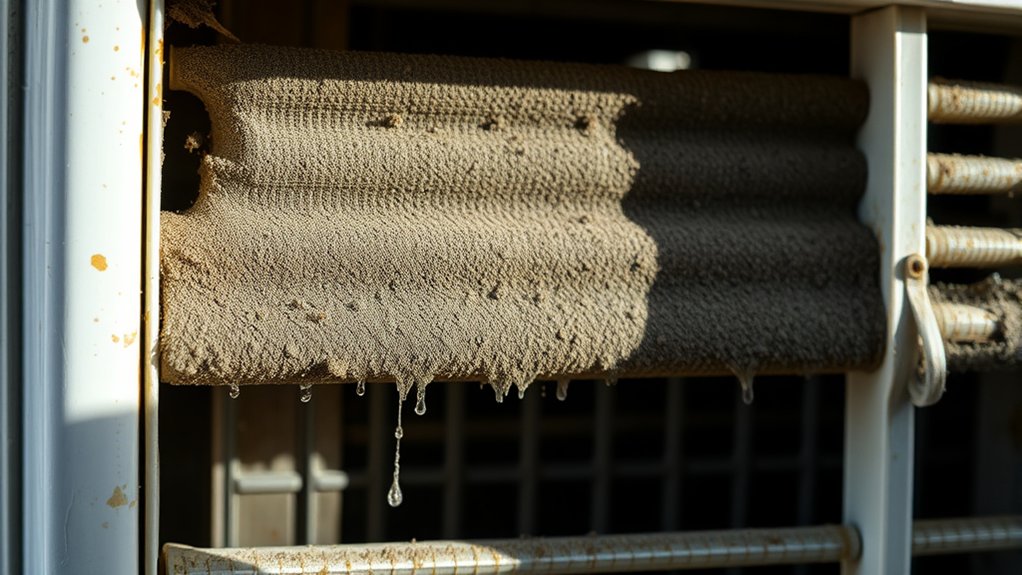
Why Does My Window AC Smell Musty?
Are you tired of that musty smell coming from your window AC? Many people struggle with this issue, especially during hot months when the unit runs nonstop. That lingering odor can be pretty unpleasant and even embarrassing when guests visit.
A musty smell in your window AC often means mold, mildew, or dirt is building up inside due to excess moisture or poor ventilation. This happens when drain lines clog, filters are dirty, or internal parts stay damp.
Poor airflow and trapped moisture create a mold-friendly environment, causing unpleasant odors. If you want to learn how to prevent and eliminate these smells effectively, keep exploring for helpful tips and solutions.
Key Takeaways
- Mold and mildew can grow inside the unit if there’s excess moisture and poor ventilation. This often leads to that musty smell you notice.
- Clogged drain lines or not enough drainage can cause water to stay inside, which encourages mold growth and odors.
- Dirt, dust, and organic debris get trapped inside the AC, providing food for mold and bacteria to thrive.
- Dirty filters and bad air circulation create perfect conditions for mold to spread and produce that musty scent.
- Moisture buildup around internal parts also promotes mold growth, adding to the unpleasant smell.
Why Does My Window Air Conditioner Smell Musty?
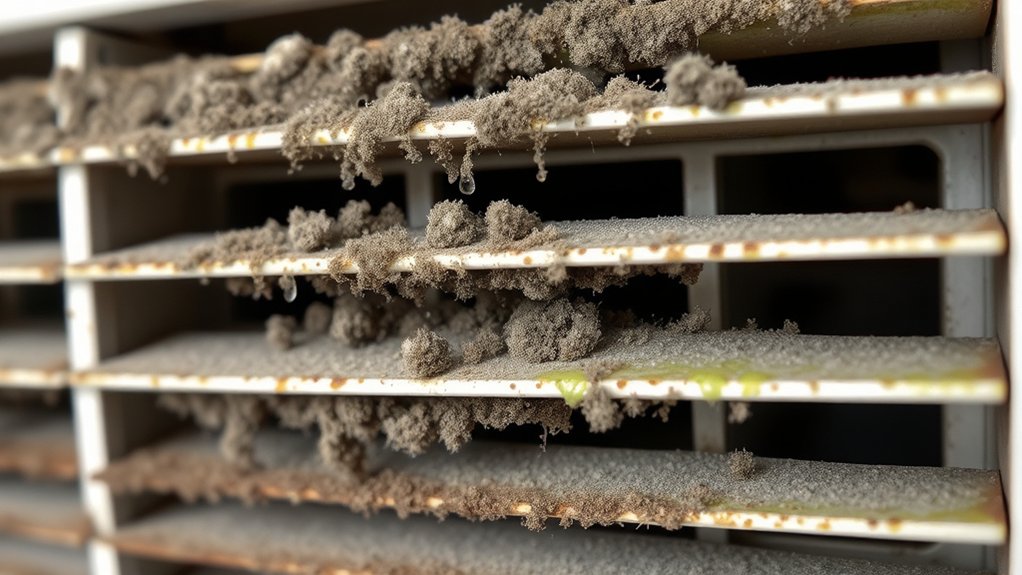
A musty smell coming from your window air conditioner is often caused by mold and mildew growing inside the unit. These fungi thrive in damp, humid environments, which are common inside air conditioners when moisture isn’t properly dried out.
Musty odors from your AC often indicate mold and mildew growth inside the unit.
Historically, air conditioning units have been essential for comfort but also contributed to environmental issues. When mold develops, it not only affects indoor air quality but also raises concerns about its environmental impact.
Mold spores can spread outdoors and degrade air purity, making it a concern beyond just your home. Understanding the history of refrigeration and cooling helps explain how early technologies unintentionally created environments perfect for mold growth.
This growth is fueled by moisture buildup, which traps dirt and organic matter inside the unit. Over time, this creates a breeding ground for mold, impacting indoor air quality and spreading spores outside.
Recognizing this connection emphasizes the importance of regular maintenance. Doing so helps your health and also reduces the environmental footprint of your cooling system.
How to Tell If Your AC Is Trapping Moisture and Dirt
Wondering if your AC is trapping moisture and dirt? One sign is increased indoor humidity levels, making your space feel damp or clammy. Check for visible signs like water stains or mold around the unit, which can indicate excess moisture buildup.
Listen for unusual noises or a musty smell, both of which can signal trapped dirt or moisture. Poor airflow can also be a clue; if your AC isn’t blowing as strongly as it used to, you might need to optimize airflow.
When airflow is restricted, humidity and dirt tend to accumulate inside the unit, leading to odors and potential mold growth. Regularly inspecting and cleaning filters helps prevent these issues.
Moreover, if you notice water pooling or persistent moisture, it’s a clear sign your AC is trapping moisture and dirt. Addressing airflow problems and maintaining proper indoor humidity levels are key to keeping your AC clean and odor-free.
What Causes Mold and Mildew Inside Your AC?
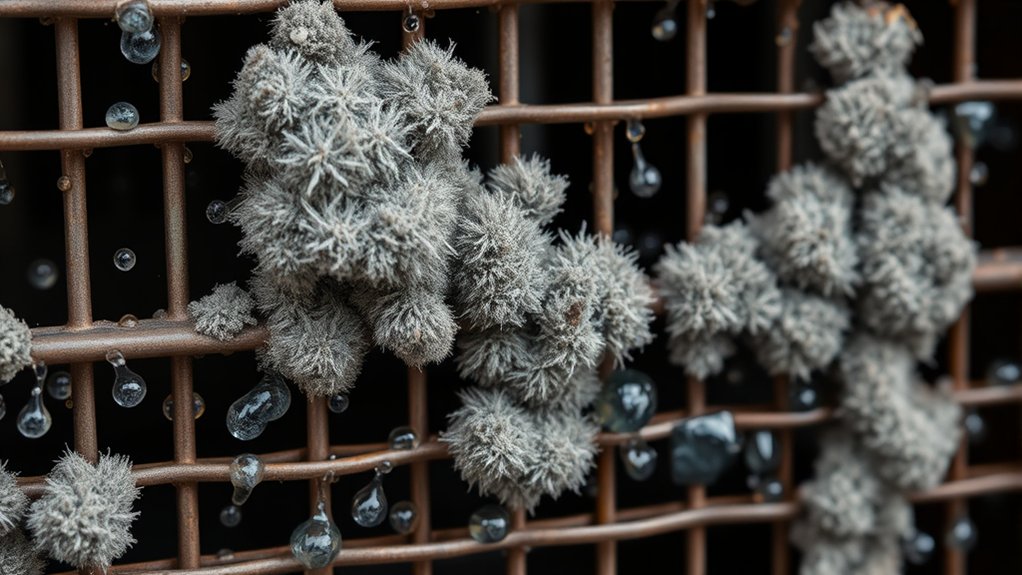
Mold and mildew tend to develop inside your AC when moisture starts to build up and doesn’t get properly drained away. It’s like giving mold the perfect little home to thrive in.
Sometimes, poor air circulation or dirty filters can make things worse. When the air isn’t moving well or the filters are clogged, it creates a cozy environment for mold to grow and spread.
The good news is, by keeping your filters clean and ensuring good airflow, you can help prevent these issues. Regular maintenance not only keeps your AC running smoothly but also helps keep it smelling fresh and free of that musty odor.
Moisture Accumulation Inside
Moisture buildup inside your window AC creates the perfect environment for mold and mildew to thrive. If you notice a musty smell, it could be because a clogged drain is preventing water from draining properly, leaving excess moisture behind.
Leaking refrigerant can also contribute since it causes condensation issues inside the unit. When refrigerant leaks, it messes with the cooling process and often leads to extra moisture inside.
This trapped moisture promotes mold growth on coils, filters, or other internal parts. Regularly inspecting and cleaning the drain pan and making sure the drain line isn’t clogged can help prevent moisture buildup.
Addressing refrigerant leaks quickly is also important because it helps stop excess condensation from creating a mold-friendly environment inside your AC.
Poor Air Circulation
Poor air circulation inside your window AC can lead to uneven drying and stagnation, creating ideal conditions for mold and mildew to develop. When air isn’t flowing properly, moisture tends to stay around the coils and inside the unit.
This stagnation allows mold spores to settle and grow, which can cause a musty smell over time. Insufficient air circulation also stops damp air from being removed, making the problem worse.
To prevent mold and mildew, make sure your AC has good airflow. Avoid blocking vents or air pathways, so air can circulate freely. Improving airflow helps dry out moisture more effectively.
This reduces the chances of mold growth and unpleasant odors inside your unit. Proper ventilation is key to keeping your AC fresh and odor-free.
Dirty Air Filters
Ever wonder why your AC develops that musty smell even when it’s running properly? Dirty air filters are often the cause. Over time, dust, dirt, and debris build up on the filter, creating a breeding ground for mold and mildew.
When these microorganisms grow, they release musty odors into your indoor air. To fix this, regularly replace your air filter—ideally every one to three months—and make sure it’s clean and fits properly.
Additionally, duct cleaning can help remove hidden mold spores and debris that contribute to the smell. Keeping your filters fresh and ducts clean prevents mold buildup and improves air quality.
Regular maintenance is key to stopping that musty smell before it takes over your living space.
Can Poor Ventilation Lead to Musty Odors?
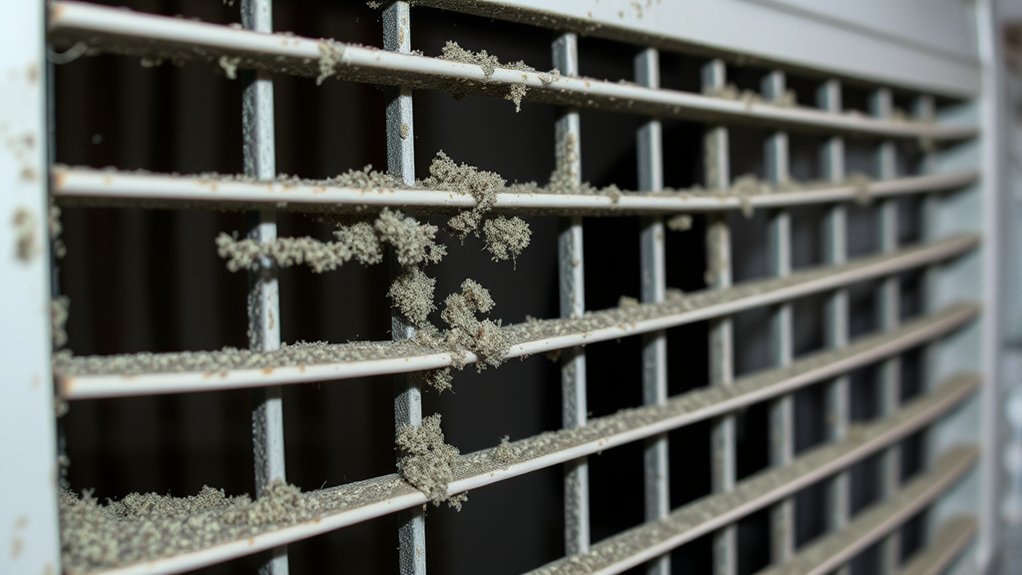
When your window AC isn’t properly ventilated, stale air can build up inside the unit, creating a perfect environment for mold and mildew to thrive. Poor ventilation limits air exchange, trapping moisture and raising indoor humidity levels.
Poor ventilation causes stale air buildup, promoting mold growth and musty odors inside your AC.
This increased humidity encourages mold growth on internal parts and damp surfaces, leading to musty odors. Without enough airflow, moisture doesn’t escape, making the inside of your AC ideal for odor-causing bacteria and fungi.
If you notice a persistent musty smell, it’s probably because the unit isn’t exchanging air effectively with the outside. Improving ventilation helps regulate indoor humidity and promotes better air exchange, reducing moisture buildup.
Good airflow prevents the conditions that allow mold and mildew to grow, helping your AC stay smelling fresh. Ensuring proper ventilation is a key step in preventing musty odors caused by poor air circulation and excess indoor humidity.
How to Clean and Disinfect Your Window AC Step-by-Step
Regularly cleaning and disinfecting your window AC is key to keeping it smelling fresh and working efficiently. Start by turning off the unit and removing the filter. Wash the filter with warm, soapy water, then let it dry completely before reinstalling.
Next, wipe down the interior surfaces with a mixture of water and mild disinfectant. This helps get rid of mold and bacteria that can build up over time. Use a soft brush to clean the fins and other hard-to-reach areas, being gentle to avoid damage.
To prevent future odors, consider placing indoor plants nearby. They naturally absorb humidity and odors. You can also use air purifiers to improve overall air quality and keep your space feeling fresh.
Here’s a quick guide:
| Step | Action | Tips |
|---|---|---|
| Turn off & remove filter | Clean with mild soap and water | Let dry before reinstalling |
| Wipe interior surfaces | Use disinfectant spray | Focus on mold-prone spots |
| Clean fins & coils | Use a soft brush or cloth | Be gentle to avoid damage |
| Prevent odors | Add indoor plants & use air purifiers | Keep humidity low, fresh air flowing |
Preventing Musty Odors With Regular Maintenance
Maintaining your window AC regularly is key to preventing musty odors from forming. Keeping your unit clean helps cut down on mold and mildew growth that cause those unpleasant smells.
Be sure to change or clean filters often, especially during peak allergy seasons when airborne allergens are higher. This not only stops odors but also boosts your unit’s efficiency, saving energy and money.
Check and clear out the drain pan and condensate drain to avoid water buildup, which can lead to mustiness. It’s also a good idea to schedule seasonal inspections to make sure everything’s working properly and to catch issues early.
Keeping the unit dry and free of debris minimizes mold growth, which often causes musty smells. Regular maintenance promotes better airflow and improves air quality, making your space more comfortable.
Staying on top of these tasks means you can enjoy fresher air, better energy efficiency, and relief from seasonal allergy symptoms.
Troubleshooting Persistent Musty Smells in Your AC
If your window AC still smells musty even after cleaning, there might be some underlying issues to check. Start by inspecting inside the unit for mold or mildew, especially around the filters and drain pan. These spots can trap moisture and bacteria, causing that lingering odor.
Make sure the filters are installed correctly and replace them if they’re dirty. Dirty filters not only smell bad but also make your AC less efficient and noisier during operation. Next, look at the drain line for clogs or leaks, which can hold moisture and encourage mold growth.
If everything looks clean and working properly, try running a cleaning cycle with a mixture of vinegar and water to disinfect inside. Fixing these problems can improve energy efficiency and reduce noise, making your AC run better and quieter.
Regular maintenance and troubleshooting help eliminate the musty smell and keep your unit working smoothly.
When Should You Consider Replacing Your Window Air Conditioner?
There comes a point when repairing your window air conditioner no longer makes sense, and replacement becomes the better option. If your unit is outdated, it may no longer offer ideal energy efficiency, leading to higher utility bills. Plus, older models tend to be noisier, which can disrupt your comfort and sleep.
When you notice persistent issues like frequent breakdowns or declining cooling performance, it’s time to consider replacing it. Think about these signs: a significant increase in energy bills despite proper maintenance, excessive noise that disrupts your daily life, frequent repairs that add up over time, or inconsistent cooling and airflow.
Replacing your unit can boost energy efficiency, reduce noise, and provide more reliable cooling. A modern window AC might be a worthwhile investment, especially if it helps lower your electricity costs and makes your indoor environment more comfortable.
Tips for Keeping Your Room Air Fresh and Odor-Free
Want to keep your room smelling fresh and feeling inviting? A good place to start is by cleaning your filters regularly. That way, dust and mold can’t pile up and cause bad odors.
Also, try to keep your space well-ventilated. Opening a window or using a fan can help fresh air circulate and chase away stale smells.
And if you notice any musty odors hanging around, consider using odor absorbers like baking soda or charcoal. They’re great at neutralizing smells and keeping your room smelling clean and fresh.
Regularly Clean Filters
Regularly cleaning your AC filters is one of the easiest ways to keep your room air fresh and free from musty odors. Dirty filters trap dust, mold spores, and bacteria that cause unpleasant smells. By cleaning them often, you prevent these odors from circulating.
When you wash filters, consider adding indoor plants nearby. They naturally purify the air or use an air purifier to boost freshness. Remove and wash filters monthly with mild soap, checking for mold or buildup during cleaning.
Make sure filters are completely dry before reinstalling. Replace filters if they’re too worn or damaged. Keeping filters clean helps maintain good airflow and odor control, making your space more inviting and healthier.
Ensure Proper Ventilation
Ensuring proper ventilation is key to keeping your room air fresh and free from musty odors. Good airflow patterns help prevent stale air from lingering, which reduces moisture buildup that causes mustiness.
Make sure your ventilation systems, like exhaust fans or vents, are working correctly and not blocked. Opening windows regularly encourages fresh air exchange and helps dilute indoor odors.
Position fans to promote steady airflow across the room. This prevents stagnant spots where odors can settle and ensures fresh air circulates evenly.
Proper ventilation not only lowers humidity but also helps prevent mold growth. Maintaining these airflow patterns keeps your space fresh and your window AC running more efficiently.
Use Odor Absorbers
Using odor absorbers is a great way to keep your room air fresh and get rid of musty smells. Scented sachets and essential oils work really well.
Place scented sachets near your AC unit or in the room to naturally absorb odors. You can also add a few drops of essential oils like lavender or eucalyptus to a cloth or diffuser to refresh the air.
These methods help neutralize unpleasant smells while adding a nice scent. You might also try charcoal bags or baking soda, which are simple and inexpensive odor absorbers.
Just remember to replace or recharge these items regularly to keep things fresh. Using these odor absorbers helps your space smell clean and inviting without needing sprays or artificial air fresheners.
Expert Tips for Maintaining a Clean, Odorless Window AC
To keep your window AC smelling fresh and working efficiently, regular maintenance is key. Changing the air filter every 1-3 months helps maintain good airflow and keeps musty odors at bay caused by dirt and mold.
Cleaning the evaporator coils and drain pan weekly during use is a simple way to prevent mold and bacteria growth, which improves your indoor air quality. Also, keeping the unit free of debris boosts its overall performance.
Check the insulation around your unit once a year or as needed to prevent cool air leaks. Sealing leaks can improve efficiency and help you save on energy costs.
Here’s a quick maintenance guide:
| Task | Frequency | Benefits |
|---|---|---|
| Air filter replacement | Every 1-3 months | Better air quality, lower energy bills |
| Coil and drain cleaning | Weekly during use | Prevents mold and odors |
| Seal leaks | Annually or as needed | Boosts efficiency, cuts costs |
| Check insulation | Annually | Keeps your cooling effective |
Sticking to these tips keeps your AC odorless, efficient, and lasts longer.
Frequently Asked Questions
How Often Should I Replace the Air Filters in My Window AC?
You should replace your window AC’s air filter every 1 to 3 months, depending on how much you use it and the air quality around you. The lifespan of the filter can vary, but changing it regularly helps keep your AC running at its best and prevents musty odors.
Check your filter each month; if it looks dirty or clogged, go ahead and replace it sooner. During high pollen or dust seasons, you might want to change it more often. Keeping the filter clean helps eliminate odors and improves the air quality in your space.
Can Pets’ Hair Cause Musty Odors in My AC Units?
Pet hair can definitely be the culprit behind musty odors in your AC, acting like tiny sponges that trap dirt and moisture. This leads to odor buildup inside the unit, especially if not cleaned regularly.
As hair accumulates in the filters and vents, it creates a breeding ground for mold and bacteria, which release that musty smell. Regular cleaning and filter replacement help keep your AC fresh and odor-free.
What Are Natural Remedies to Eliminate Musty Smells From My AC?
To get rid of musty smells from your AC naturally, start by cleaning or replacing the filter. A clean filter helps prevent odors from lingering and keeps your air fresh.
You can also use air purifiers with activated carbon filters. They work to absorb and neutralize odors, making your space smell cleaner.
Running a dehumidifier is another great tip. It reduces excess moisture that can cause mold and mustiness inside your unit.
For a simple DIY fix, make a cleaning solution with vinegar and water. Use it to wipe down the inside of your AC to help eliminate odors.
These easy steps help freshen your AC without using harsh chemicals, so your space smells fresh and clean.
Is It Safe to Use Bleach to Clean My Window Air Conditioner?
Using bleach to clean your window AC might seem effective, but it’s not always safe. Bleach can damage parts of your unit and produce harmful fumes.
Instead, try gentle cleaning solutions designed for electronics or use vinegar and baking soda. These options can get rid of odors without risking damage or health issues.
How Do I Prevent Mold Growth in Humid Climates?
To prevent mold growth in humid climates, improve ventilation and use a dehumidifier. Good air circulation helps reduce moisture buildup, which mold loves.
A dehumidifier lowers humidity levels, making it harder for mold to grow. Regularly clean your AC filters and keep the area dry.
These simple steps work together to keep your environment mold-free and your AC smelling fresh.
Conclusion
Imagine your window AC humming quietly, its vents clear and inviting, like a cool breeze on a crisp morning. Keeping it clean and well-maintained makes every summer breeze feel welcoming, not musty.
Regular cleaning helps prevent mold and moisture buildup, transforming your space into a fresh, revitalizing oasis. A little care goes a long way in making your AC smell fresh and clean.
If your window AC smells musty, it’s often because mold or mildew has started to grow inside. Cleaning the filter and evaporator coil can usually fix the problem.
Don’t forget to check the drain pan and drainage system, as standing water can cause that musty odor. Keeping these areas dry prevents mold from forming.
With consistent upkeep, your window AC becomes a trusted friend, quietly working to keep your room cool, clean, and smelling just as fresh as a spring morning.