5 Simple Steps to Insulate Your Window AC Unit Effectively
If you rely on a window AC unit, you’ve probably noticed how drafts and heat leaks can make your space less comfortable and spike your energy bills. Many people struggle with keeping their rooms cool efficiently, especially when gaps around the unit let in warm air. But don’t worry—you’re not alone, and there are simple ways to improve insulation.
To insulate your window AC unit effectively, start by checking for gaps or leaks around the frame using a candle or by feeling for drafts. Next, choose suitable insulation materials like foam board or bubble wrap that match your aesthetic and durability needs. Seal any cracks with weatherstripping or caulk, making sure the insulation fits snugly without gaps.
Proper installation is key—press insulation firmly into place. Keep everything in top shape with regular inspections to maintain efficiency; you’ll uncover even more tips along the way.
Key Takeaways
- Inspect the window frame for cracks, gaps, or damage, and seal any leaks with weatherstripping or caulk.
- Choose insulation materials like foam board or reflective bubble wrap for effective coverage.
- Cut and fit the insulation snugly around the AC unit and along the window sash to prevent gaps.
- Secure the insulation with adhesive or tape, making sure it’s tight without bulging or gaps.
- Regularly check for drafts or leaks using thermal tools, and fix any damages to keep your insulation in good shape.
How to Find Gaps in Your Window AC Insulation
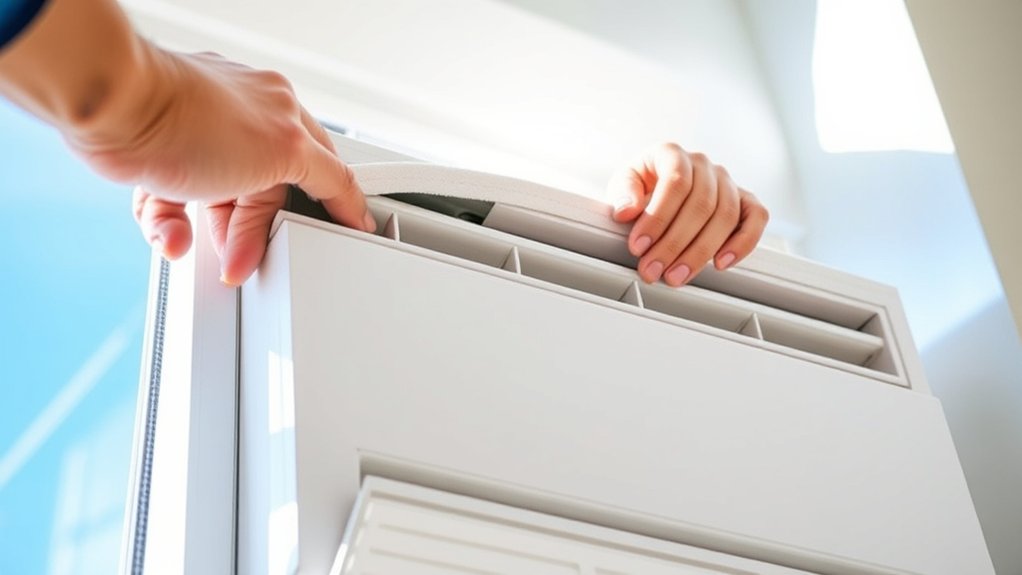
Before you can effectively insulate your window AC unit, you need to spot any gaps or leaks letting warm air in and cool air out. Start by closely examining the window frame. Look for cracks, holes, or warped spots where air might escape.
Feel around the edges with your hand or use a lit candle or incense stick. If the flame flickers or smoke moves, you’ve found a leak. Also, pay attention to how the indoor temperature feels near the window.
If certain spots feel noticeably warmer or cooler, you’re probably dealing with air leaks. Check the seal between the window sash and the frame because gaps here can weaken insulation.
Fixing these gaps now will make your insulation efforts more effective. It helps keep your indoor temperature comfortable and reduces energy waste.
Choosing the Best Materials to Insulate Your Window AC
Selecting the right insulation materials is key to maximizing energy efficiency and keeping your indoor space comfortable. You want options that are durable enough to handle temperature changes and handling, and also look good enough to blend with your window’s style.
Foam board insulation offers great durability and a clean look. Reflective bubble wrap can boost insulation with a less bulky appearance. Rigid foam panels are lightweight, easy to install, and provide long-lasting performance.
Here’s a quick comparison:
| Material | Durability & Aesthetics |
|---|---|
| Foam board insulation | High durability, neat finish |
| Reflective bubble wrap | Moderate durability, minimal look |
| Rigid foam panels | Long-lasting, unobtrusive look |
Pick materials that strike a good balance between durability and aesthetics so your window stays protected and looks great.
Sealing Leaks and Cracks for Better Efficiency
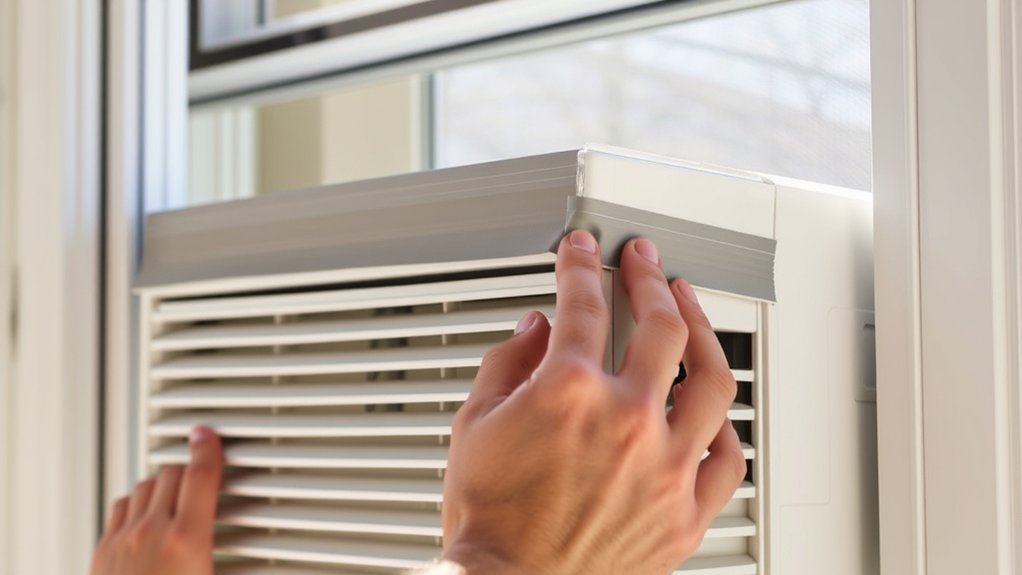
To get the most out of your window AC unit, it’s important to find and seal any leaks or cracks around it and the window frame. Sealing these gaps helps save energy and keeps noise down.
Start by thoroughly inspecting for gaps around the unit, window sash, and frame. Use a flashlight to spot hidden leaks you might not see during the day.
Next, apply weatherstripping or foam tape along the edges of the window frame and around the AC. This seals out drafts and stops cool air from escaping.
For larger gaps, seal them with caulk or sealant, especially around the mounting points of the unit. This provides a more secure and airtight seal.
Finally, test for leaks by turning on the AC and feeling for drafts. If you notice any, adjust or add more sealant as needed to improve efficiency.
Installing Insulation Correctly: Tips and Tricks
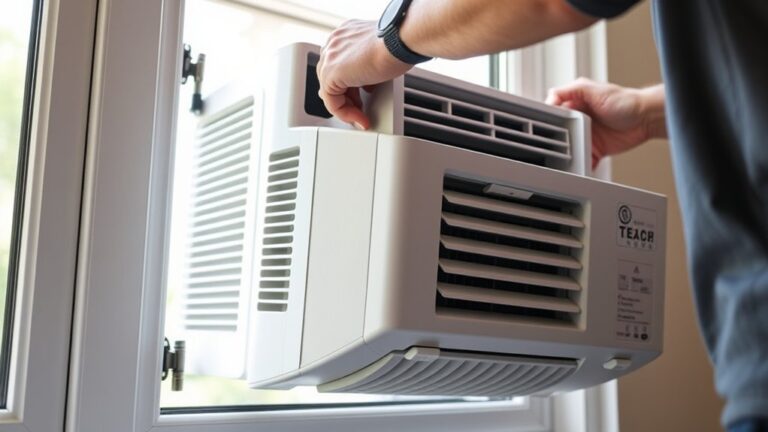
Properly installing insulation around your window AC unit is essential for maximizing its efficiency. Start by creating effective thermal barriers that prevent air leaks and heat transfer.
Proper insulation around your window AC prevents air leaks and improves energy efficiency.
Cut your insulation material to fit snugly around the unit, making sure there are no gaps. Use insulation adhesives to secure the insulation in place, especially along edges and corners, for a tight seal.
Be careful to avoid over-application, which can cause bulging or uneven coverage. Press the insulation firmly against the window frame and unit, making sure it adheres well and stays in place.
Proper placement is key—ensure the insulation covers all exposed areas that could let warm air in or cool air escape. Remember, well-installed thermal barriers combined with secure adhesion will help maintain your indoor temperature and reduce energy costs.
Take your time during installation to ensure a neat, airtight fit for maximum insulation performance.
Testing and Maintaining Your Insulation Over Time
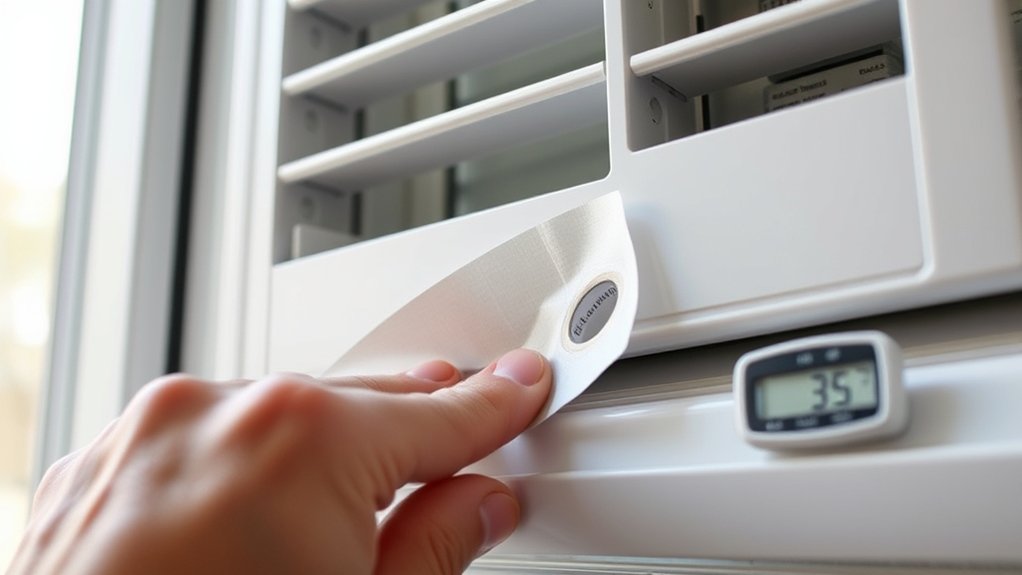
Regularly testing your insulation helps ensure it keeps working effectively over time. Insulation can degrade or shift, which can impact indoor air quality and cut down on energy savings.
To stay on top of things, follow these steps:
- Visually check the insulation for tears, gaps, or signs of deterioration.
- Feel around the window unit for drafts or cold spots that could indicate air leaks.
- Use a thermal camera or infrared thermometer to spot temperature differences that may point to insulation problems.
- Repair or replace damaged insulation quickly to keep everything running smoothly.
Doing regular maintenance keeps your insulation effective and prevents unwanted air exchange that can harm indoor air quality. Well-maintained insulation helps your AC run efficiently, saving you money on energy bills.
Be sure to schedule inspections before peak cooling seasons so you can catch issues early. Properly maintained insulation keeps your home comfortable, improves air quality, and maximizes energy savings over time.
Frequently Asked Questions
How Often Should I Re-Insulate My Window AC Unit?
You should re-insulate your window AC unit every couple of years or if you notice any gaps or damage.
Check your insulation materials regularly for wear and tear, and make sure your installation creates a proper seal.
Weather and usage can degrade insulation over time, which reduces efficiency.
Re-insulating periodically helps keep your unit running smoothly, saves energy, and prevents drafts.
Stay alert for signs that it’s time for an upgrade or repair.
Can Insulation Improve Energy Efficiency During Winter?
Yes, insulation can dramatically boost your energy savings during winter. When you add proper winter insulation around your window AC unit, you prevent cold drafts and heat loss, making your home warmer and reducing heating costs.
This simple step not only keeps your space cozy but also guarantees your energy efficiency peaks, even on the coldest days.
Don’t underestimate the power of winter insulation. Your wallet and comfort will thank you.
Are There Eco-Friendly Insulation Options Available?
Yes, eco-friendly insulation options are available. You can choose biodegradable materials like cellulose made from recycled paper or wool, which are sustainable and safe for the environment. Recycling options include repurposing old textiles or foam for insulation projects.
These materials not only reduce waste but also provide effective insulation. By selecting biodegradable or recycled options, you help protect the planet while keeping your home energy-efficient.
Will Insulation Interfere With the Ac’s Airflow?
Insulation can cause some airflow restriction if not done carefully, but proper installation minimizes insulation effects. When you insulate around your window AC, make sure vents and gaps stay open so air can flow freely.
Use breathable, eco-friendly materials that won’t block air circulation. This way, you keep your cooling efficient without letting insulation reduce your unit’s performance.
Proper sealing and insulation techniques help balance the benefits of insulation with the need for good airflow.
How Can I Prevent Mold Growth on Insulation Materials?
Mold prevention is key to keeping your insulation materials dry and safe. Think of it as a shield protecting your home. To prevent mold growth, make sure your insulation stays dry by sealing any leaks and avoiding excess moisture.
Check regularly for condensation and clean the area to prevent mold from taking hold. Using mold-resistant insulation materials can also be a helpful step.
Proper ventilation and keeping humidity levels low are essential. These steps help keep mold at bay and protect your investment in your home.
Conclusion
By following these simple steps, you can effectively improve your window AC’s efficiency and lower your energy bills. Proper insulation can save you up to 15% on cooling costs, making a real difference.
Regularly inspecting and maintaining your insulation helps ensure your AC runs smoothly all year round. Staying proactive means a cooler, more comfortable home and fewer surprises on your energy bill.
In the end, insulated units not only save money but also help you make eco-friendly choices. Properly insulating your window AC unit is a smart way to stay comfortable and save the environment too.