What Makes Window AC Units Expensive to Run?
Many people struggle with high energy bills during the hot months, especially when their window AC units seem to cost more than they should to run. You’re not alone—finding ways to keep cool without breaking the bank is a common concern. Understanding what makes window AC units expensive to operate can help you save money and stay comfortable.
Your window AC unit becomes costly to run mainly when it’s improperly sized for your room, poorly maintained, or set inefficiently. Factors like poor insulation, drafty windows, and running it constantly without timers also increase energy use.
Older, less efficient models or those with outdated refrigerants will consume more power.
Adjusting settings like thermostat temperature and fan speeds can help, but understanding these issues can make a real difference in lowering your energy bills—find out more below.
Key Takeaways
Poor placement and incorrect sizing make the unit work harder, which means it uses more energy to cool the room effectively.
Running the AC all the time or setting the thermostat too low puts extra strain on the system and boosts your energy bills.
Older or less efficient models eat up more power because of worn parts and outdated technology.
If your home isn’t well insulated and has drafts, the AC has to work harder to keep the temperature steady.
Skipping regular maintenance like changing filters or calibrating thermostats can reduce efficiency and make your running costs higher.
Why Are Your Window AC Costs So High?
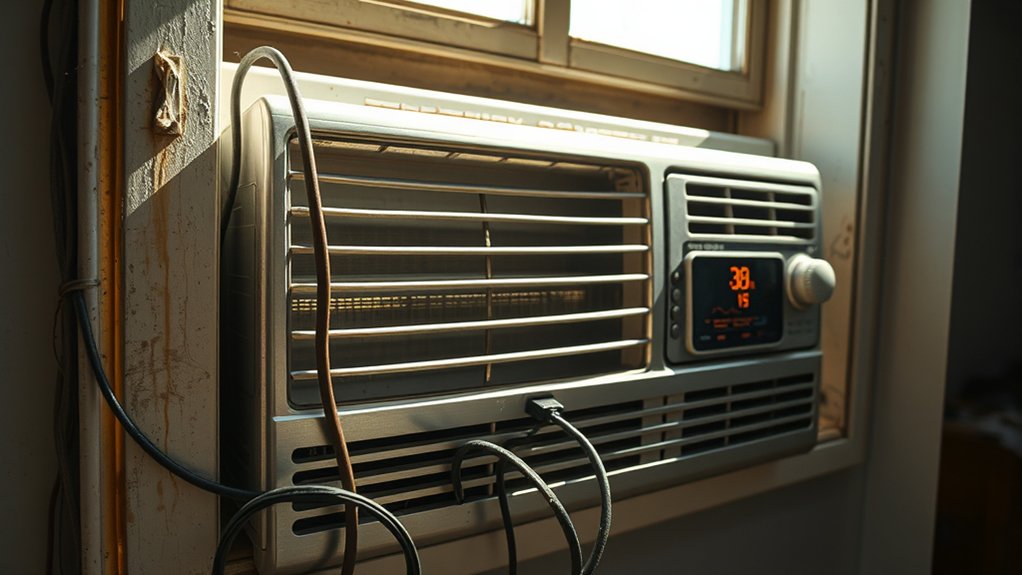
Have you noticed your window AC bills climbing higher than expected? You’re probably wondering why your energy costs are so steep. One reason could be that your unit isn’t optimized for efficiency.
Upgrading to energy-efficient models can really cut down on operating costs over time. These newer units use less power while still cooling your space effectively. When comparing costs, older or less efficient AC units tend to use more electricity, which raises your bills.
A poor seal around your window can also cause your unit to work harder, wasting energy and increasing expenses. Regular maintenance like cleaning filters and checking for leaks helps your AC run smoothly.
How Do Window AC Units Consume Energy?
Your window AC uses energy mainly through the compressor, which really kicks in when it’s working hardest to cool your room. The way you set your thermostat and the fan speed also play a big role in how much power it uses. For example, setting the thermostat to a lower temperature or running the fan at a higher speed will make the unit work harder and use more energy.
Getting to know how these factors influence energy consumption can help you manage your energy bills better. By adjusting the thermostat wisely and choosing the right fan speed, you can keep your space comfortable without wasting energy.
Compressor Power Usage
The compressor is the main part responsible for cooling in a window AC unit, and it uses the most energy while running. Its power consumption mainly depends on the type of motor it has.
Modern units often come with energy-efficient motors that help cut down on electricity costs. These motors are better at turning electrical energy into mechanical work with less waste.
The design of the compressor can also affect how loud it is. Quieter compressors use advanced technology to reduce noise while still working well.
The more efficient and quieter the compressor, the less energy it uses. This makes your AC more cost-effective over time. Upgrading to models with energy-saving motors can lower your bills and boost comfort.
Thermostat Settings Impact
Adjusting the thermostat settings can really impact how much energy your window AC uses. Setting your thermostat too low makes the unit work harder, which uses more power.
Using smart thermostats helps you keep the right temperatures without wasting energy. During energy audits, pros find the best temperature ranges that keep you comfortable and save energy.
Keep your thermostat around 75°F (24°C) to save energy without losing comfort. Try not to adjust it often, since it makes the AC cycle on and off more, wasting power.
Smart thermostats can learn your habits and adjust temperatures automatically. Proper management makes sure your AC runs only when needed, helping you cut costs and reduce waste.
Fan Speed Variations
Fan speed settings can significantly affect how much energy your window AC uses. Running the fan at higher speeds boosts airflow, helping cool your space faster but also consumes more power.
On the other hand, lower fan speeds cut down on energy use and noise, making the unit more efficient over time. However, slower airflow might not distribute cool air evenly, which can impact comfort.
If you keep the fan on constant high speed, expect higher energy bills, especially if the unit runs for long periods. Adjusting the fan speed based on what you need helps balance comfort and efficiency.
Keep in mind, fluctuating fan speeds can also change noise levels, with higher speeds producing more sound. Choosing the right setting helps optimize airflow while keeping energy use and noise in check, saving you money in the long run.
What Factors Make Your Window AC More Expensive to Run?
Curious about what drives up the cost of running your window AC? Several factors can make your unit more expensive to operate.
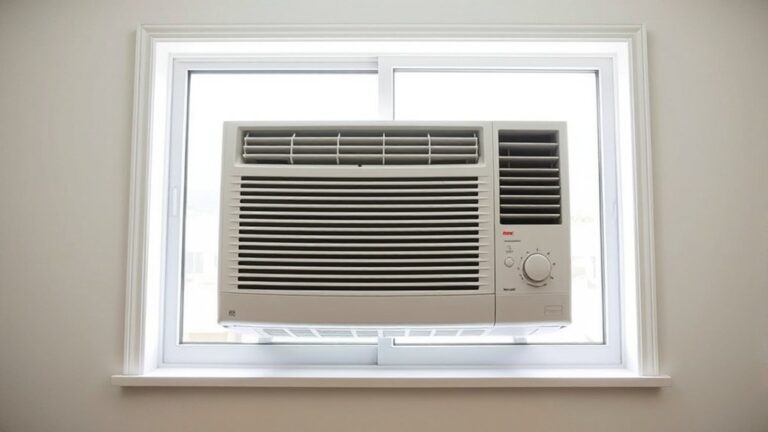
First, window placement matters—if your AC is installed in a spot with poor airflow or direct sunlight, it has to work harder, increasing energy use.
Proper window placement improves airflow and reduces sunlight exposure, helping your AC run more efficiently.
Second, noise levels can be misleading; a louder AC often indicates it’s straining more, which wastes energy.
Third, the unit’s age and condition play a role—older or poorly maintained units consume more power.
Fourth, the size of your unit relative to your space impacts efficiency; an undersized or oversized unit will run inefficiently, boosting costs.
Additionally, if your window isn’t sealed properly, warm air sneaks in, forcing your AC to work harder.
Keep these factors in mind to help reduce your energy bills and improve your AC’s efficiency.
Does Your Room Size and Insulation Affect Energy Use?
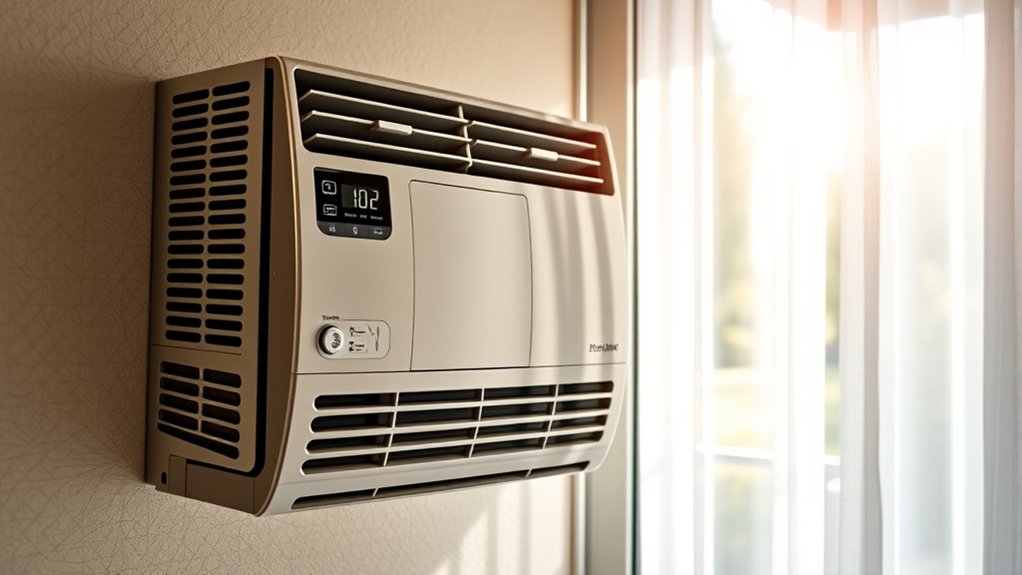
Your room size and insulation really make a difference when it comes to how much energy your window AC uses. If you’ve got a bigger room or one that isn’t well insulated, your AC has to work a lot harder to keep things cool. That means it’ll use more electricity, which can add up on your bills.
Getting a handle on these factors can actually help you run your AC more efficiently. For example, sealing up drafts or using curtains to block heat can make a big difference. By doing so, you might find that your AC doesn’t have to work as hard, saving you some money in the long run.
Room Size Impact
The size of your room and its insulation play a big role in how much energy your window AC unit uses. If your room is too large, the unit has to work harder, which uses more energy. Placing the unit in the right spot can help—it reduces drafts and blocks heat gain.
Noise levels matter too. Louder units may need to run longer or more often to keep your space comfortable. To get the best performance, pick an AC with the right BTU rating for your room size.
Make sure to position the unit away from direct sunlight or heat sources. Check that the window seal is tight so cool air doesn’t escape. Choosing a quieter model can also help cut down on noise and operational strain.
Making these small adjustments can help your AC run more efficiently, saving you energy and money.
Insulation Effectiveness
Proper insulation plays a big role in how much energy your window AC unit uses. When your room is well-insulated, it keeps cool air in longer, so your AC doesn’t have to work as hard. This helps save energy and lowers your bills.
Poor insulation lets heat sneak in, making your AC run more often and for longer. That means higher energy costs and more wear on your unit. Good insulation also helps reduce noise from your AC, making your space more comfortable.
Sealing gaps, adding insulation to walls and windows, and using curtains can all improve insulation. These simple steps cut down on energy use and make your room more cozy.
In the end, investing in proper insulation makes your AC run efficiently, saving you money and cutting down on energy consumption.
How Does the Age and Efficiency Rating Impact Operating Costs?
As window AC units get older, their efficiency usually drops, which means they use more energy and cost you more to run. The age of your AC impacts how well it cools your space because older units tend to need more power.
This increased power use happens because they work harder, wasting energy and raising your bills. When efficiency ratings go down, you use more electricity for the same amount of cooling.
Worn parts inside the unit make it less smooth and effective. Plus, older refrigerants might not cool as well, so the system runs longer to do its job.
Modern features that save energy might be missing in older models, making them less efficient overall. Investing in a newer, high-efficiency AC can help you cut down on operating costs.
Keeping an eye on your AC’s age and efficiency ratings is a good way to manage energy use and save money over time.
Are You Overworking Your Window AC? Common Causes
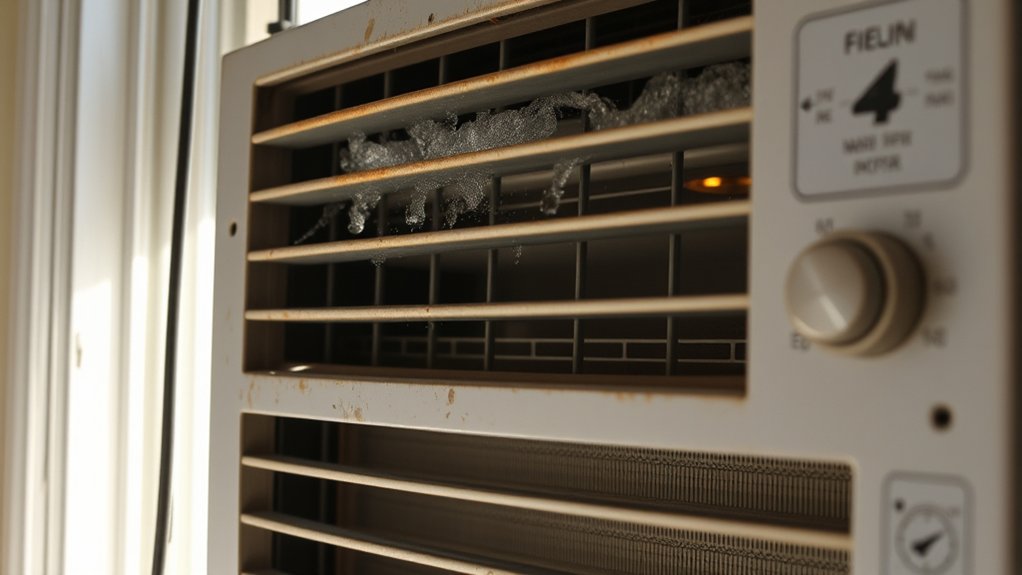
Your window AC unit can easily become overworked if you set the thermostat too low or run it continuously without giving it breaks. Many energy myths suggest that the colder you set the thermostat, the faster your space cools, but this actually strains your unit and increases energy costs.
Overworking your AC also means running it nonstop, which wears out components faster and raises your electricity bill. Modern cooling technologies can help prevent this, but only if you use them wisely.
For example, using a programmable thermostat allows you to schedule cooling periods, reducing unnecessary operation. Keep in mind that pushing your unit to its limits can lead to higher repair costs and shorten its lifespan.
To save energy and keep your AC running efficiently, avoid constant operation and set the thermostat at a comfortable, moderate temperature. Proper usage guarantees your unit cools effectively without overexertion.
How Settings and Usage Habits Raise Your Electricity Bill
Setting your AC to very low temperatures or running it constantly can significantly increase your electricity bill. When you keep the thermostat too cold, your unit has to work harder, which uses more energy.
Leaving the AC on all day without breaks wastes power and raises costs. To save money, try using smart thermostats that adjust cooling based on your schedule, avoiding unnecessary energy use.
Scheduling regular energy audits can help find inefficiencies in your system. This way, you can tweak your habits and make sure your AC isn’t working harder than it needs to.
Here are some habits that boost your bills:
- Setting the temperature below 68°F
- Running the AC nonstop instead of using timers
- Not using programmable thermostats
- Ignoring insulation or draft problems that make your unit work harder
Tips to Make Your Window AC More Energy-Efficient
To maximize energy efficiency with your window AC, focus on proper maintenance and smart usage. Start by inspecting the window frame to make sure it’s sealed tightly; gaps let cool air escape and warm air come in, making your unit work harder.
Seal the window frame tightly to prevent air leaks and improve your AC’s efficiency.
During installation, ensure the AC is properly mounted and level. This helps prevent air leaks and boosts efficiency. Regularly clean or replace filters to keep airflow smooth and the unit running well.
Use a programmable thermostat or set your unit to run only when needed. This way, you avoid unnecessary operation and save energy. Keep curtains or blinds closed during the hottest parts of the day to lessen the load on your AC.
When installing, consider using weatherstripping around the edges to improve insulation. Proper sealing and good installation help your window AC run more effectively, cutting down on energy use and lowering your electricity bill.
How to Choose the Right Window AC to Save Money
Choosing the right window AC involves looking at the size of the space you want to cool and matching it with an energy-efficient unit. An appropriately sized unit cools effectively without wasting energy, which saves you money in the long run.
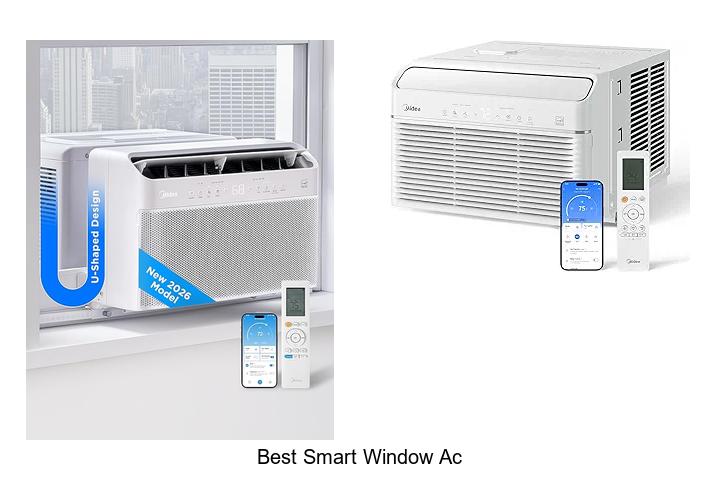
Look for models with high Energy Star ratings and energy-efficient upgrades to help lower operating costs. Features like a built-in smart thermostat let you control the temperature remotely and optimize how you use the unit.
Here are some tips to guide your choice:
- Match the BTU capacity to your room size for efficient cooling
- Prioritize units with energy-efficient upgrades to cut down on energy use
- Choose models with a smart thermostat for better control
- Check for adjustable fan speeds to customize airflow and save energy
Simple Ways to Reduce Your Window AC Operating Costs
Want to save some money on your cooling bills? One easy trick is to turn up your thermostat a little — just enough to stay comfortable. It might not seem like a big change, but it can really add up over time.
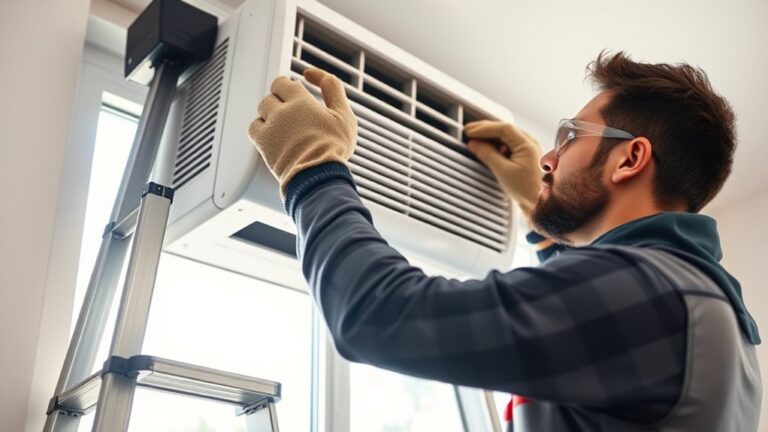
Also, don’t forget to give your AC a little TLC. Regularly checking and cleaning the filters and coils helps it run more smoothly and efficiently. A quick maintenance session every now and then can make a noticeable difference in how much energy it uses.
And hey, those small adjustments and simple upkeep tasks really do add up when it comes to lowering your energy bills. So, a little effort goes a long way!
Optimize Thermostat Settings
Adjusting your thermostat settings can significantly reduce your window AC’s energy costs, especially during peak summer months. Proper calibration helps your unit keep a consistent temperature and prevents unnecessary cycling caused by temperature swings.
Avoid setting your thermostat too low because it makes the AC work harder than necessary. Instead, aim for a comfortable, moderate temperature—around 78°F when you’re home.
Consider using a programmable thermostat to automatically adjust settings based on your schedule. This way, you can cut down on energy waste without sacrificing comfort.
Remember to calibrate your thermostat regularly for accuracy. Keep the temperature steady and reasonable, and avoid sudden fluctuations that cause excessive cycling.
Regular Maintenance Checks
Regular maintenance checks are a simple way to keep your window AC running efficiently and save on energy costs.
Cleaning or replacing filters regularly improves indoor air quality and helps your unit run smoothly. Dust and debris buildup can make your AC work harder, which increases energy use and noise.
Inspecting and cleaning the coils and vents ensures good airflow, reducing strain on the compressor. Keeping the exterior free of dirt prevents overheating and extends the lifespan of your unit.
A well-maintained AC runs quieter too, so you won’t be disturbed by loud noises.
Scheduling regular maintenance not only improves air quality and cuts noise but also lowers your energy bills and helps your AC last longer.
Frequently Asked Questions
Do Different Brands of Window AC Units Have Varying Operating Costs?
Yes, different brands of window AC units have varying operating costs. When you compare costs, you’ll notice that some brands are more energy-efficient, which helps lower your electricity bills.
Brand reliability also matters. Reputable brands usually build units that use less power and last longer, reducing maintenance costs.
Choosing a well-known, efficient brand can save you money over time, even if the initial purchase price is higher.
How Does the Outdoor Climate Influence Window AC Energy Consumption?
Your outdoor climate really affects how much energy your window AC uses. When it’s hot and humid outside, the unit has to work harder, which can strain the compressor and cut down indoor airflow. This all adds up to higher energy consumption.
Good insulation can help because it keeps the indoor temperature steady and lessens the workload on your AC. When the weather is milder, your AC doesn’t need to run as often, which saves energy.
Can Window AC Units Be More Expensive to Run in Multi-Story Buildings?
They say “the whole is greater than the sum of its parts,” and in multi-story buildings, window AC units can indeed be more expensive to run. You face higher noise levels and increased installation costs, which strain your energy budget.
The elevation makes cooling less efficient, requiring more power. So, while they’re convenient, their operational expenses go up with building height, making them less economical in multi-story setups.
What Role Does Thermostat Placement Play in Energy Efficiency?
Thermostat placement really impacts your window AC unit’s energy efficiency. If you put it in a drafty spot or where it gets direct sunlight, it can give false readings. That makes your unit run more often than it needs to.
To save energy, focus on choosing the right spot. Calibrate your thermostat correctly and install it in a central, shaded area away from heat sources. This way, it gets an accurate temperature reading.
Proper placement helps your AC run only when necessary, reducing unnecessary energy use and keeping your space comfortable.
Are Newer Technologies Significantly Reducing Window AC Energy Costs?
Newer technologies are like a refreshing change, markedly lowering your window AC’s energy costs.
They pack energy-saving features and improved compressor efficiency, making your unit smarter and more cost-effective.
These innovations optimize cooling, reduce power consumption, and help your wallet breathe easier.
Conclusion
So, next time your window AC spikes your electric bill, remember it’s often a mix of factors like size, age, and habits. It’s kind of like how your favorite sweater suddenly feels snugger after a few washes.
By choosing the right unit and staying mindful of your usage, you can keep costs down without sweating every dollar. Sometimes, a small change makes a big difference—just like finding that perfect breeze on a hot day.
Main keyword: what makes window AC units expensive to run.