Why Is My Window AC So Loud?
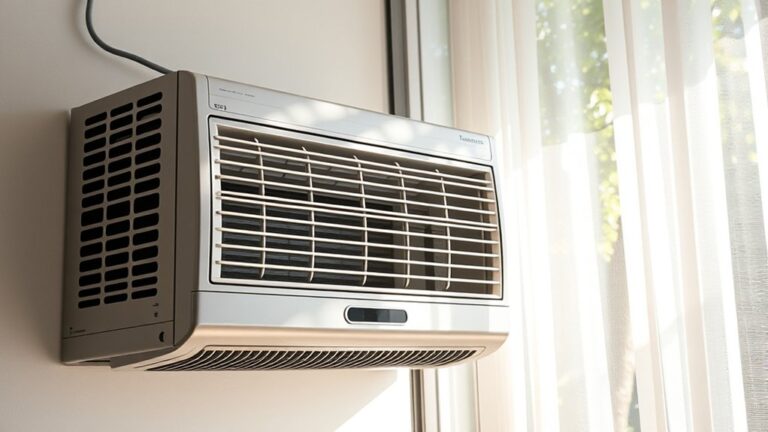
Many people struggle with a noisy window AC, especially when you’re trying to relax or sleep. A loud unit can be frustrating and might make you wonder if there’s something seriously wrong.
Luckily, some common issues are easy to fix, and understanding what causes the noise can help you troubleshoot effectively.
If your window AC is loud, it could be caused by loose or damaged parts like fan blades or belts, airflow obstructions, or dirty filters that strain the system. Vibrations, refrigerant leaks, or worn-out motors can also make it noisier than usual.
Regular maintenance, tightening screws, and cleaning filters can help reduce noise.
If the sound persists or worsens, chances are there’s a mechanical or refrigerant issue. Keep exploring for more tips that can help you quiet down your AC and get it running smoothly again.
Key Takeaways
Loose or damaged fan blades and internal components can cause rattling, vibrations, and loud noises when your AC runs.
Poor installation or insecure mounting might lead to vibrations and banging sounds.
Dirty filters and debris inside the unit put extra strain on the motor, making it louder during operation.
Refrigerant leaks or mechanical issues can produce hissing, squealing, or irregular noises.
Worn-out motors, belts, or compressor parts often create excessive noise and vibrations.
Why Does My Window AC Make Loud Noises?
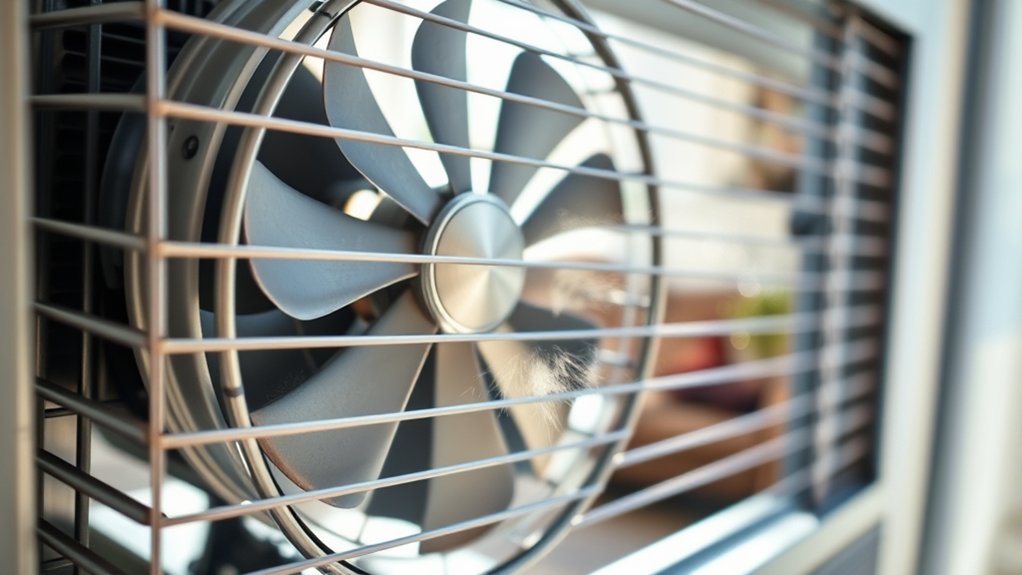
If your window AC suddenly starts making loud noises, it’s often a sign that something isn’t working right. One common cause is poor window installation or an ill-fitting unit, which can cause vibrations and rattling sounds. When the AC isn’t sealed properly, it might shift or vibrate against the window frame, creating noise.
Sometimes, decorations around the unit can interfere with airflow or cause parts to rattle. Loose or broken fan blades, worn-out motors, or debris inside the unit can also lead to loud sounds. If the AC was installed without proper techniques, it might not sit securely, causing noise issues.
Regular maintenance and making sure the unit is securely mounted can help reduce these problems. Keep in mind, an improperly installed window AC doesn’t just make noise but can also affect efficiency and safety.
How to Tell if Your AC’s Noise Is Normal or Problematic
Not all noises from your window AC mean there’s a problem; some sounds are perfectly normal during operation. To figure out if your AC’s noise is concerning, listen carefully.
Normal sounds include steady humming or clicking of relays. Unusual noises like banging or hissing could indicate issues that need attention.
| Sound Type | Normal or Problematic? | What to Do |
|---|---|---|
| Steady humming | Normal | No action needed. |
| Clicking sounds | Normal during cycle changes | Usually safe, no concern. |
| Sudden banging | Problematic | Check for loose parts or debris. |
| Hissing or squealing | Potential refrigerant leaks or airflow issues | Call a professional to inspect airflow and refrigerant levels. |
If you hear hissing, squealing, or irregular noises, it might be refrigerant leaks or airflow problems. Address these quickly to prevent further damage.
How Loose or Damaged Fan Blades Increase Noise
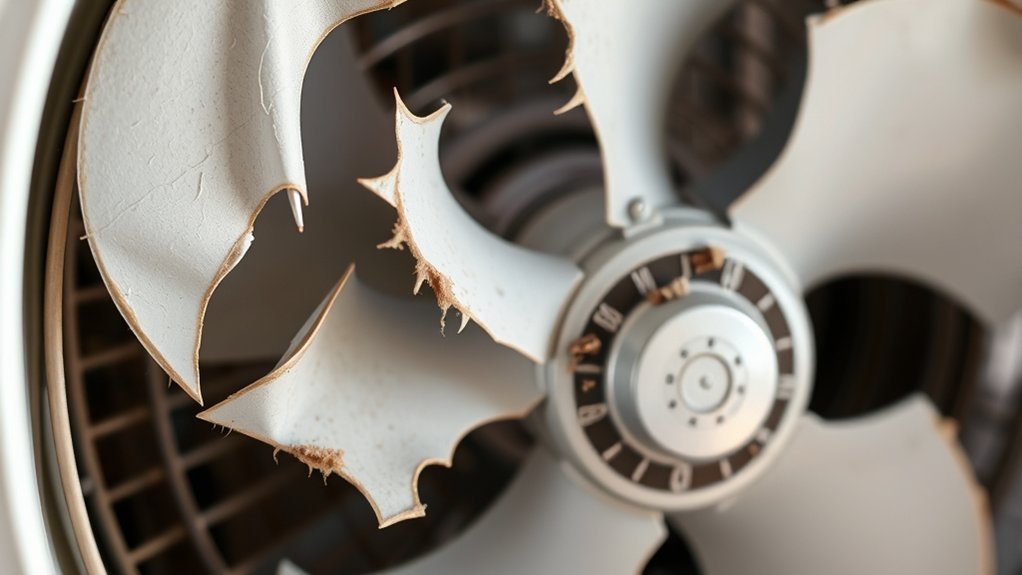
Bent or damaged fan blades can really crank up the noise your AC makes. When the blades aren’t straight or get chipped, they tend to wobble or even hit other parts inside the unit. That’s what causes those loud, uneven sounds you might notice.
Effects of Bent Blades
Ever wondered why your window AC gets louder over time? Bent blades throw off the blade balance, making the fan wobble and produce more noise.
When blades are bent, it can also mess with the fan speed, making it harder for your AC to run smoothly. This imbalance forces the motor to work harder, which ramps up noise and cuts down efficiency.
You might notice strange rattling sounds when it’s running, or feel increased vibrations around the unit.
There could also be fluctuations in fan speed, leading to inconsistent airflow. Over time, this can cause faster wear on motor parts.
Bent blades don’t just make your AC louder—they also put extra strain on the whole system. Fixing bent blades quickly helps restore balance, quiets the unit, and keeps the fan running efficiently.
Signs of Blade Damage
Loose or damaged fan blades often make noticeable noise as they wobble or vibrate when the AC is running. If you hear rattling or loud banging, it could be a sign that the blades are damaged.
You might also notice uneven airflow or less cooling power, which can be linked to a compromised fan. Make sure your air filter isn’t clogged, since a dirty filter can strain the fan and make noise worse.
During the cooling cycle, damaged blades cause imbalance, leading to vibrations that boost sound levels. Check the blades for cracks, bends, or looseness. If you find any damage, replacing or repairing the blades can help keep things quiet and improve your AC’s overall performance.
Regular inspections can help prevent further wear and noise from getting worse.
How Dirty Filters Can Make Your AC Noisy
When your filters are clogged with dirt and debris, your AC has to work harder to push air through them. This can cause it to become noisier than usual. Dirty filters restrict airflow, making the motor strain and produce louder sounds.
Regular air filter replacement is essential to keep your AC quiet and running efficiently. If you neglect this, you’ll notice increased noise and reduced cooling performance. To cut down on noise, try cleaning or replacing filters promptly.
Regularly replacing filters keeps your AC quiet and efficient, preventing noise and cooling issues.
Here’s what dirty filters can cause: increased motor strain and noise, reduced airflow forcing the fan to work harder, vibrations from struggling components, and a shorter AC lifespan due to extra stress.
Keeping filters clean helps your AC run smoothly and quietly. Regular maintenance, including replacing air filters, is key to avoiding unnecessary noise and ensuring peak performance.
Don’t ignore filter upkeep if you want a quieter, more efficient cooling experience.
Why Vibrations Cause Loud Sounds and How to Fix Them
Vibrations in your window AC can cause loud noises because they make parts of the unit rattle or shake while it runs. When the compressor, fan, or internal parts aren’t firmly mounted, these vibrations get worse and lead to louder sounds.
To fix this, try using vibration isolation methods like placing rubber pads or foam under the unit’s feet or mounting brackets. These materials help absorb shocks and stop vibrations from transferring to the window frame or wall.
You can also add soundproofing techniques, such as installing acoustic panels or sealing gaps around the unit. These steps help dampen noise and make your AC run more quietly.
Regularly check and tighten screws, bolts, or mounting brackets. Keeping everything secure prevents excessive movement and reduces noise.
Common Mechanical Causes of Noisy Window ACs
Many mechanical issues can cause your window AC to be noisy, often stemming from worn or damaged components. These problems can affect indoor air quality and efficiency.
Common causes include loose parts, dirty or clogged fans, damaged belts, and motor issues. When fan blades are unbalanced or loose, they produce rattling or banging sounds.
Dirt buildup on filters and coils can make the system work harder, increasing noise levels. Damaged belts might slip or squeal, and a malfunctioning motor can create grinding sounds.
Keep in mind that thermostat settings influence how often the system cycles, which can affect noise frequency. To fix these issues, check for loose or vibrating parts.
Clean or replace filters to improve airflow. Inspect and tighten fan blades and belts, and ensure the motor runs smoothly and quietly.
Regular maintenance not only keeps your AC running better but also helps reduce noise caused by mechanical faults.
Signs Your Compressor or Motor Is Failing
If your AC begins making strange noises, uses more energy than it normally does, or keeps shutting off unexpectedly, it could be a sign that your compressor or motor is giving out. These kinds of issues usually mean that some parts are worn out or having a hard time doing their job.
It’s a good idea to catch these problems early on. Addressing them sooner rather than later can help you avoid a full-blown system breakdown and save you money in the long run.
Unusual Noise Levels
Unusual noises coming from your window AC often signal that the compressor or motor is struggling or failing. If your unit suddenly becomes loud or emits strange sounds, it’s a sign to investigate. The placement of your window unit and noise insulation can influence how loud it seems, but persistent abnormal noises usually indicate a problem.
Consider these signs:
- Rattling or banging sounds, hinting at loose parts or debris inside.
- Squealing or high-pitched noises, suggesting motor issues.
- Vibrations that seem excessive, indicating misalignment or worn components.
- Hissing or bubbling sounds, which could mean refrigerant leaks.
If you notice these, it’s time to check your window placement and improve noise insulation or call a professional.
Increased Energy Usage
When your window AC starts using more energy than usual, it’s often a sign that the compressor or motor is struggling or failing. This increased energy use means your unit is working harder than it should, which can lead to higher electricity bills.
As the compressor or motor deteriorates, the system may run inefficiently, making it louder and amplifying noise levels. Addressing these issues quickly helps save energy and reduces noise.
Regular maintenance like cleaning filters and checking for obstructions can prevent extra strain on the motor. If you notice your AC is consuming more power without cooling well, it’s time to consider repairs or a replacement to restore efficiency and keep things quiet.
Frequent System Shutdowns
Have you noticed your window AC turning off frequently throughout the day? This could be a sign that your compressor or motor is failing, which affects silent operation and noise levels.
When your system keeps shutting down, it usually means some components are struggling to keep up. You might see short cycling, which causes loud start-up noises, or your motor could be overworking and overheating.
This can also lead to reduced cooling efficiency and strange noises when the unit powers back on. Frequent shutdowns can cause more wear and tear, making noise problems worse over time.
If your AC keeps turning off unexpectedly, it’s a good idea to check for electrical issues or mechanical failures. Addressing these early can help restore quieter operation and prevent bigger problems down the road.
Tips for Maintaining a Quiet Window AC
To keep your window AC running quietly, regular maintenance is key. Start by inspecting and cleaning the air filter every month. A clogged filter restricts airflow, making the unit work harder and increasing noise, especially from the compressor.
Replace filters when they’re dirty to ensure smooth operation and reduce vibrations that cause loud sounds. Check for loose panels or screws around the unit, as loose parts can rattle and amplify noise. Keep the area around the AC clear to improve airflow and prevent overheating.
Lubricate any moving parts if your unit allows, which helps reduce strain and friction noise. Lastly, make sure the compressor is functioning properly. A noisy compressor often signals issues that need attention.
Proper maintenance not only minimizes noise but also extends your AC’s lifespan, helping you stay cool without the annoyance of excess sound.
When to Call a Professional for Loud AC Troubleshooting
If your AC keeps making weird or loud noises even after you’ve tried to fix it, it’s probably a good idea to call in a professional. Sometimes those strange sounds are signs of a mechanical problem that you might not be able to handle on your own.
Don’t just brush it off—ignoring these noises can lead to bigger, more expensive repairs down the line. So, when in doubt, it’s better to get a pro to take a look and keep your AC running smoothly.
Unusual Noises Persisting
Unusual noises coming from your window AC, like banging, squealing, or rattling, often mean there’s a problem that needs a professional look. If these sounds stick around, they could be caused by a clogged air filter that strains the motor or a refrigerant leak that makes the system work harder and get noisier.
You should call a technician if you notice ongoing banging or rattling, which might mean loose parts. Squealing sounds could point to worn bearings or motor issues. Vibrations that won’t stop might be due to unbalanced components.
Unusual hissing or gurgling noises are often linked to refrigerant leaks. Ignoring these signs could lead to more damage or lower efficiency. When in doubt, getting a professional to inspect it can help find the root cause and avoid costly repairs.
Unfamiliar or Sharp Sounds
Ever notice sharp, unfamiliar sounds coming from your window AC that seem out of the ordinary? These noises could indicate issues like loose parts or internal damage.
If the sounds are sudden or intense, you might need a professional to inspect the unit. Poor window insulation can make noise worse by allowing sound to escape or amplify.
Applying soundproofing around your window can help reduce overall noise. But if sharp sounds keep happening, it’s best to call a technician.
They can check for loose mounting brackets, worn-out components, or refrigerant issues that might be causing the noise.
Addressing these problems early prevents further damage and keeps your AC running smoothly and quietly.
Don’t hesitate to seek expert help when unfamiliar or sharp sounds emerge.
Simple Steps to Reduce Noise and Keep Your Window AC Quiet
To reduce the noise from your window AC, start by inspecting and tightening any loose screws or mounting brackets, as vibrations often cause loud sounds. Check the air filter; a clogged filter makes the unit work harder, which increases noise. Clean or replace it if needed.
Next, make sure the cooling fins are free of dirt and debris. Dirty fins can cause the compressor to work harder and produce more noise.
Additionally, consider these steps:
- Use rubber or foam pads under mounting brackets to dampen vibrations.
- Regularly clean the air filter and cooling fins for better airflow.
- Tighten loose screws and bolts to prevent rattling.
- Schedule professional maintenance for internal components.
Following these simple steps can help minimize noise and keep your window AC running quietly and efficiently.
Frequently Asked Questions
Can External Weather Conditions Affect My Window Ac’s Noise Level?
External weather conditions can definitely affect your window AC’s noise level. Hot weather might make the unit work harder, which can lead to more vibrations and noise.
Cold or humid weather can also change how well the unit runs, sometimes making it louder. To help reduce noise, try using vibration reduction and soundproofing techniques.
Installing mounts or insulation around the unit can make a big difference. These methods help block external influences and keep your AC quieter.
Does Installing My Window AC Incorrectly Cause Loud Sounds?
Installing your window AC incorrectly can definitely cause loud sounds. If there are issues with how it’s installed, like poor mounting stability or uneven placement, vibrations and rattling can happen.
Make sure your unit is securely mounted and level. Check that all brackets and screws are tight, and that the AC fits snugly in the window frame. Proper installation helps prevent unnecessary noise and keeps your AC running smoothly and quietly.
How Does Age Impact the Noise Level of My Window AC Unit?
As your window AC gets older, it can get noisier because of wear and tear. Over time, parts like the fan motor or compressor might loosen, leading to vibrations that boost the noise level.
You can help cut down on this noise by using vibration reduction and soundproofing methods. For example, try installing foam padding or rubber mounts to dampen vibrations.
Regular maintenance is also key. It keeps parts aligned and working smoothly, which helps reduce noise and makes your unit last longer.
Are Certain Window AC Brands Noisier Than Others?
Some window AC brands tend to be noisier than others, mainly because of brand reputation and design quality. You might notice that budget brands often produce more noise, while premium brands focus on quieter operation.
When you’re choosing a unit, look for models equipped with noise-reducing features. Checking reviews that mention sound levels can also help you find a quieter option.
Investing in a reputable brand usually means better noise control, making your cooling experience more comfortable and less disruptive.
Can Insulation Around the Window Reduce AC Noise?
You might notice that insulation around your window can help reduce AC noise thanks to its insulation effectiveness. When you apply soundproofing techniques like sealing gaps with weatherstripping or adding acoustic panels, you create a barrier that muffles the sound.
It’s a coincidence that these small improvements can make your space noticeably quieter, turning your uncomfortable, noisy environment into a peaceful retreat.
Conclusion
Remember, a loud window AC isn’t just a nuisance. It could be a sign that something is wrong. Don’t ignore the noise, or it might lead to bigger, more expensive problems.
Regular maintenance, like cleaning filters and inspecting blades, can keep your unit running smoothly. Taking care of these small issues early on can make a big difference.
As the saying goes, “A stitch in time saves nine.” Addressing problems with your window AC now means you’ll enjoy a quieter, more efficient cooling experience all season long.