How Much Copper Is in a Window AC Unit?
Are you tired of seeing your old window AC unit take up space without knowing what to do with it? Many people struggle with how to handle these appliances once they’re no longer useful. But did you know your AC unit might still hold valuable materials, especially copper?
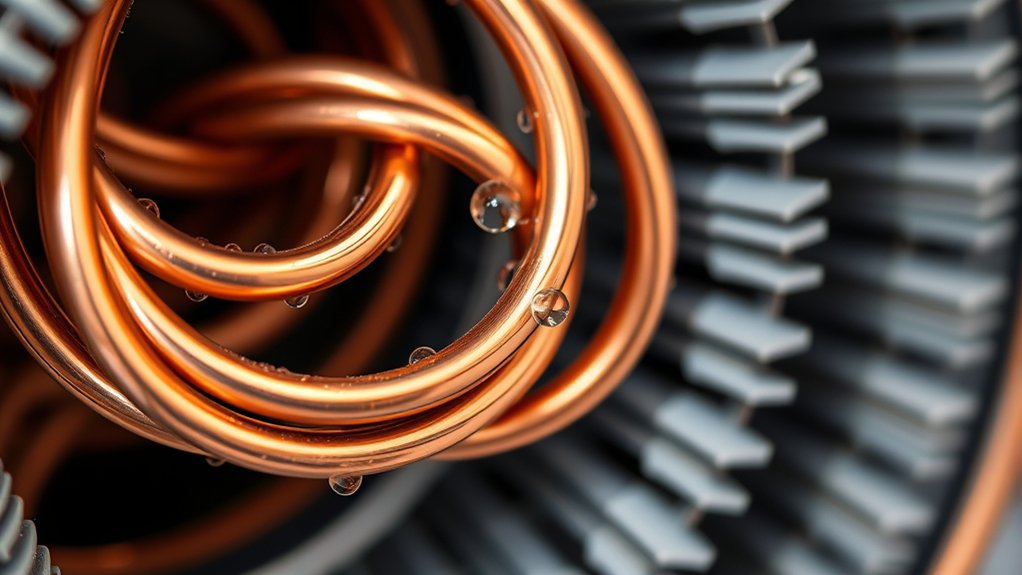
A typical window air conditioner contains between 1 and 8 pounds of copper, depending on its size and efficiency. Larger or premium units tend to hold more copper due to bigger coils, motors, and internal wiring. Copper is mainly found in the coils, motor windings, and internal wiring, which help improve efficiency and durability.
If you want to learn exactly how to estimate and recover copper from your AC, just keep going.
Key Takeaways
- Typical window AC units contain about 3 to 5 pounds of copper, with larger or premium models having up to 6-8 pounds.
- Copper is mainly found in evaporator and condenser coils, motors, and internal wiring.
- The amount of copper varies depending on the size, brand, and design of the unit, which can influence its scrap value.
- You can estimate how much copper is inside by visually inspecting the coils and motors. Shiny copper usually means higher copper content.
- Recycling copper-rich components properly helps maximize recovery value and supports environmental sustainability.
How Much Copper Is in a Window Air Conditioner?
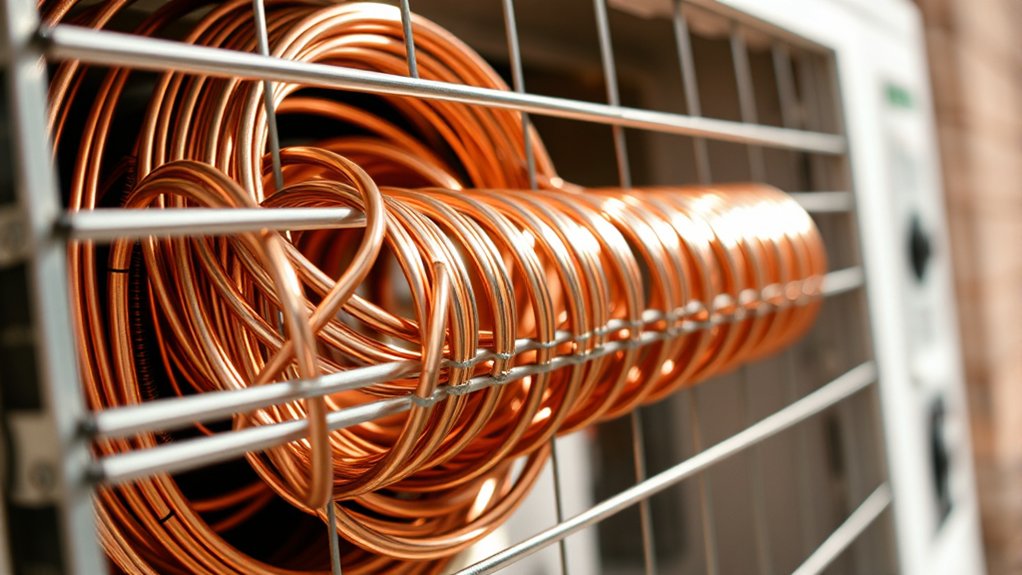
A typical window air conditioner contains a significant amount of copper, mainly in its refrigeration parts. You’ll find copper in coils, motors, and tubing, which makes it valuable when you dispose of the unit.
The amount of copper varies depending on the size and model of your AC, but on average, a unit can have around 3 to 5 pounds of copper. When you recycle your unit, knowing the best methods can help you get the most out of it.
Copper is highly recyclable and keeps its quality after multiple recycling cycles. That makes it a sought-after material in the scrap market. Prices for copper fluctuate based on market demand and purity, so staying informed can help you estimate your potential earnings.
Copper retains its quality through multiple recyclings, making it valuable in the scrap market with fluctuating prices based on demand and purity.
Recycling your AC properly not only helps the environment but can also give you some extra cash. When you decide to dispose of your window unit, consider certified recycling facilities that specialize in extracting and reprocessing copper. This way, you maximize the value of your unit and contribute to sustainable practices.
Which Parts of Your Window AC Use Copper?
Many essential parts of your window air conditioner contain copper, making them valuable for recycling. Copper’s great thermal and electrical conductivity helps boost your unit’s energy efficiency.
The main parts with copper include the coils, both the evaporator and condenser coils, where copper tubing helps transfer heat. Copper is also found in the motor windings, which power the compressor and fan motors.
These components rely on copper to stay durable and perform well. Plus, the wiring inside your AC contains copper, ensuring efficient electrical flow that supports energy-saving operation.
Since copper is highly recyclable, these parts are often reclaimed to make new components. This reduces waste and promotes sustainable practices.
Knowing which parts have copper can help you understand your unit’s design and why copper is important for efficiency. Recycling copper also helps conserve resources and protect the environment.
What Factors Affect Copper Levels in Window AC Units?
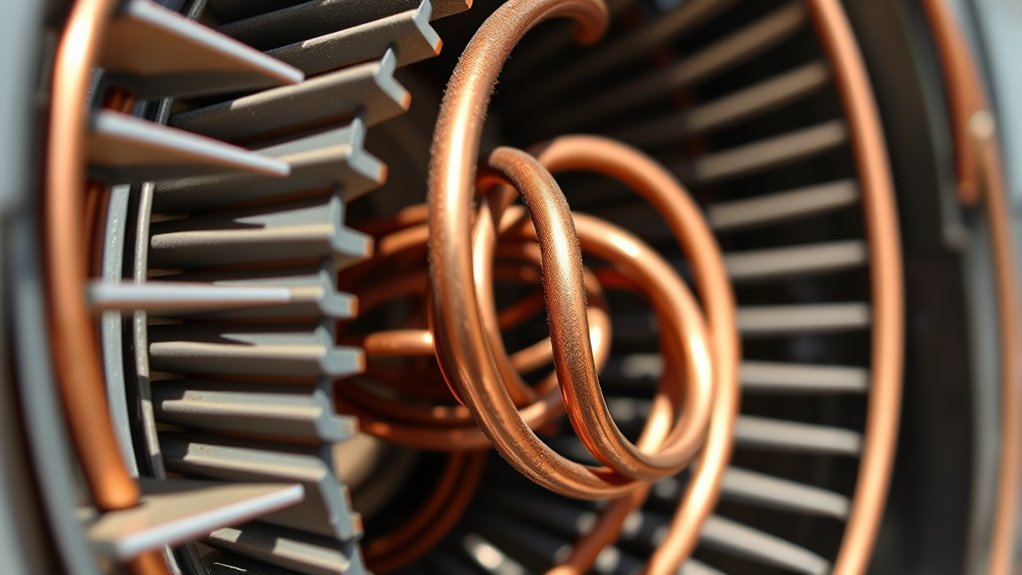
Several factors can influence how much copper ends up in your window AC unit. For instance, the age of your unit plays a role—older models might have different copper levels compared to newer ones, depending on manufacturing standards at the time.
Plus, how often and how intensely you run your AC can also impact the copper content over time. The more you use it, the more wear and tear happen, which can affect the amount of copper present inside.
Age of Unit
As your window AC unit gets older, the copper inside can change a lot because of wear and tear over time. The age of the unit determines how much copper deterioration has happened, with older units usually having less copper available for recycling or reuse.
Over the years, vibrations, corrosion, and environmental exposure can cause copper parts to degrade or loosen. This deterioration reduces the amount of intact copper in the unit and affects its overall copper content.
Also, running the unit for a long time can lead to copper loss through corrosion or mechanical damage. Knowing how old your unit is helps estimate its copper levels, since older units generally have less copper than newer ones, especially if they’ve experienced significant wear.
Manufacturing Variations
Manufacturing variations can greatly influence the amount of copper in window AC units, as different factories and production runs may use different materials and processes. Variations in how components are assembled or wired can lead to differences in copper content.
Material sourcing also plays a key role; some manufacturers might use higher-quality copper or include more copper in their designs, which affects the overall amount. Production standards and quality control measures can vary from one factory to another, impacting copper utilization.
These factors mean that even identical models from different manufacturers or batches might contain different levels of copper. Understanding these manufacturing differences helps explain why copper content isn’t the same across all window AC units.
Usage Intensity
The way you use your window AC unit can significantly impact how much copper it contains. The more you run it, the more wear and tear it experiences, which can lead to increased copper loss over time.
Frequent on/off cycles and longer operating hours speed up copper degradation. This not only affects recycling but also has environmental implications. To keep more copper in your unit, try to avoid unnecessary use and keep it well-maintained.
Proper maintenance helps preserve the copper’s integrity. Harsh conditions, like exposure to corrosive elements, can cause damage and reduce copper content. On the other hand, infrequent use minimizes copper loss, helping your unit last longer.
How Can You Estimate Copper Content in Your Old AC?
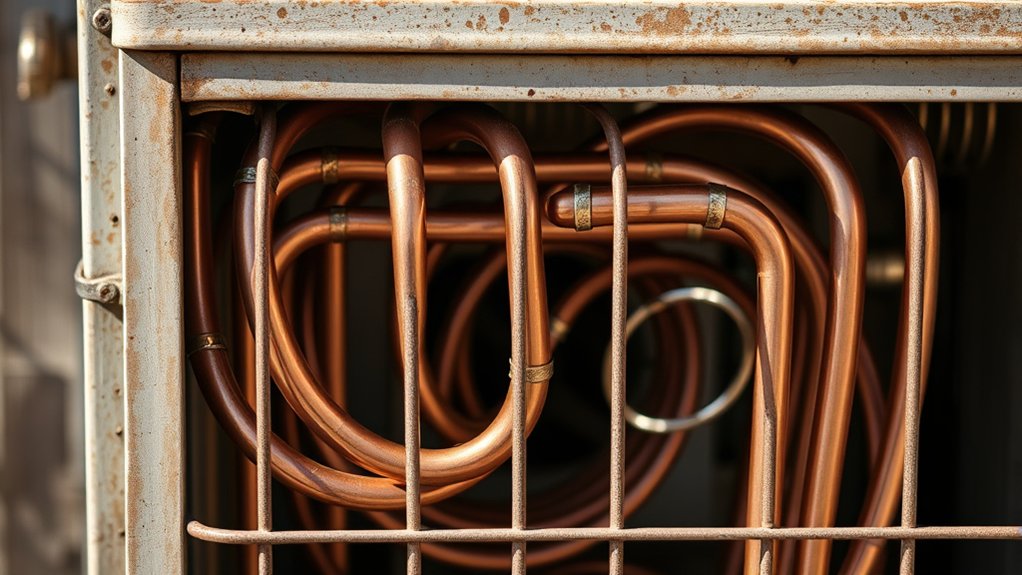
If you want to get a rough idea of how much copper is in your old AC, the first thing you can do is take a good look at its parts. Check for any visible copper components, like coils or tubing—that’s usually where most of the copper is.
You can also do a simple magnetic test. Copper isn’t magnetic, so if a part isn’t attracted to a magnet, there’s a good chance it’s copper. Just be careful and make sure you’re testing the right parts!
If you’re really serious about knowing the exact amount, it might be best to call in a professional. They can give you a more precise evaluation and help you figure out the value of the copper in your old AC.
Inspect Unit Components Carefully
Examining your old AC unit closely can help you estimate its copper content. Start by inspecting the compressor, as its coils and motor contain significant copper windings. These affect refrigerant efficiency and compressor durability.
Look for visible copper tubing in the condenser and evaporator coils. Bright, shiny copper indicates high copper content. Check for any copper wires or parts inside the motor housing, as these are good signs of copper presence and quality.
Be cautious of corrosion or tarnishing, which can hide copper’s true condition. By carefully inspecting these parts, you can get a better idea of how much copper the unit has.
This detailed look can also give you insight into the salvage value. It helps estimate how much copper you might be able to reclaim from your old AC.
Use Magnetic Testing Techniques
Using magnetic testing techniques can help you quickly determine if your old AC unit contains a significant amount of copper. Magnetic testing is a simple way to detect copper components through copper detection.
To perform it, follow these steps:
- Hold a strong magnet near the coils and wiring inside your unit.
- Observe if the magnet sticks, which indicates ferrous metals, or not, suggesting copper.
- Focus on the condenser and evaporator coils—copper is non-magnetic, so it won’t attract the magnet.
- Use a handheld magnetic tester for more precise copper detection in tricky areas.
This method provides a fast, non-destructive way to estimate copper content, helping you decide whether to salvage or recycle your old AC unit.
Consult Professional Appraisers
If you’re unsure about the amount of copper in your old AC unit, consulting professional appraisers can give you a more accurate estimate. They have the expertise to evaluate your unit’s copper content precisely, which helps you make informed decisions about energy-efficient upgrades or recycling.
Professional appraisers can also provide a detailed cost comparison, showing whether the value of the copper outweighs the effort and expense of removal. This helps you avoid guesswork and ensures you don’t undervalue or overvalue your unit’s copper.
Furthermore, they can advise on the safest and most efficient extraction methods. By getting an expert assessment, you’ll have clearer insight into your unit’s worth, allowing you to maximize your return and make smarter choices about refurbishing or recycling your AC.
Why Recycling Copper From Window ACS Matters
Recycling copper from window AC units is important because it helps save natural resources and cuts down on environmental harm. When you recycle, you’re helping to reduce the need for mining and waste.
Think about it: instead of digging new mines for copper, you can extract it from old units. Reusing existing copper also means using less energy compared to creating new copper from scratch.
This process helps lower greenhouse gas emissions that come from raw material extraction. Plus, it keeps hazardous materials out of landfills and waterways, protecting our environment.
Comparing Copper Content in Different Window AC Sizes and Brands
Copper content varies quite a bit across different window AC units, depending on their size and brand. Larger models usually have more copper because they feature bigger coils and motors, which adds to their copper weight.
Different brands may also use varying amounts of copper based on their design and quality standards. Premium brands often optimize copper use to improve efficiency, which can affect the total copper content.
When you’re thinking about recycling, understanding these differences can help you estimate how much copper you might recover and its value. The copper market reacts to these variations, influencing scrap prices and demand.
Here’s a quick comparison:
| Size/Brand | Approximate Copper Content | Typical Use in Recycling |
|---|---|---|
| Small/Basic | 1-2 lbs | Low-value scrap |
| Medium/Standard | 3-5 lbs | Moderate-value scrap |
| Large/Premium | 6-8 lbs | High-value scrap |
Knowing these differences helps you figure out how much copper you can recover and how it might impact your recycling process.
Environmental Impact of Using Copper in Window Air Conditioners
Using copper in window air conditioners has notable environmental implications because its extraction and manufacturing consume a lot of natural resources and energy. This process adds to urban pollution through mining waste, greenhouse gases, and habitat disruption.
Copper extraction and manufacturing in air conditioners impact the environment through resource use, pollution, and habitat disruption.
As energy sources shift toward renewables, the environmental impact lessens, but mining still affects ecosystems. When you think of copper’s environmental effects, picture:
- Mining operations clearing forests and displacing wildlife.
- Dust and chemicals polluting nearby urban areas.
- High energy use during smelting and refining processes.
- Waste materials contaminating soil and water sources.
These points show how copper production influences urban pollution levels. While using copper helps with efficient heat transfer, the environmental costs are still there. Moving to renewable energy for manufacturing can help reduce some impacts, but responsible sourcing and recycling are key to lowering the overall environmental footprint of copper in window air conditioners.
How to Safely Remove Copper From Your Window AC for Recycling
If you want to recover valuable copper from your window AC safely, start by unplugging the unit and making sure it’s completely powered off.
Before beginning copper extraction, wear protective gloves and safety goggles to prevent injuries from sharp edges or debris.
Carefully remove the outer panels and access the internal components where copper wiring and coils are located.
Use insulated tools to detach copper wires and coils, avoiding contact with electrical parts.
Be cautious of refrigerant and other hazardous materials; if you suspect refrigerant is present, consider professional removal to ensure safety.
Keep your workspace well-ventilated, and dispose of any non-metal parts responsibly.
Properly storing and transporting the copper helps keep it uncontaminated.
Following these steps minimizes risks and promotes safe recycling.
Always prioritize safety over speed to prevent accidents and ensure the highest quality of recovered copper.
Future Trends in Copper Use and Recycling for Cooling Devices
As technology and sustainability efforts advance, the future of copper in cooling devices looks bright, with more focus on recycling and resource efficiency. Copper alloys are becoming more popular because they’re durable and resistant to corrosion, making them great for long-lasting parts.
Manufacturers will likely prioritize using recycled copper more to reduce environmental impact. They’ll also develop new copper alloys that boost corrosion resistance and efficiency. Plus, advanced recycling techniques will help recover copper from old units more effectively.
Designing components for easier disassembly will also boost recycling rates. These trends will help save natural resources and cut manufacturing costs. With a focus on corrosion-resistant alloys, cooling devices will become more reliable and eco-friendly.
Recycling efforts will get smoother, ensuring copper’s valuable properties are preserved for future use. Overall, the industry is moving toward more sustainable, durable, and efficient cooling solutions.
Introduction to Copper in Window Air Conditioners
Copper is pretty important when it comes to how window air conditioners cool your room. That’s because copper has excellent thermal conductivity, meaning it’s really good at transferring heat. Inside these units, you’ll see copper parts like coils and tubing, and they do a great job of moving heat away efficiently.
Knowing why copper is used in these components helps us understand how these air conditioners work so reliably and use energy wisely. It’s this special material that makes sure your unit cools effectively without wasting too much energy.
Copper’s Role in Cooling
Have you ever wondered what makes window air conditioners so effective at cooling spaces? Copper plays a key role, thanks to its excellent conductivity and durability.
When working efficiently, copper:
- Quickly transfers heat from the indoor air to the refrigerant, speeding up cooling.
- Conducts electricity efficiently, helping the compressor and fan motors run smoothly.
- Resists corrosion, which helps extend the lifespan of coils and tubing.
- Keeps performing well even in humid or tough environments because of its corrosion resistance.
Copper’s high conductivity allows it to transfer heat rapidly, making the cooling process faster and more efficient. Its resistance to corrosion ensures reliable operation over time, reducing breakdowns and maintaining consistent cooling.
Copper Components Inside
Inside window air conditioners, copper components are essential for efficient operation and durability. Copper wiring connects different electrical parts, ensuring reliable power flow throughout the unit. It’s valued for its excellent electrical conductivity and resistance to corrosion, helping the AC run smoothly over time.
Refrigerant tubing, also made of copper, is crucial in the cooling process. It creates the pathways that carry refrigerant between the compressor, condenser, and evaporator, enabling heat exchange. Copper’s flexibility makes it perfect for shaping these tubes to fit inside compact units.
Importance of Copper Use
Why is copper so important in window air conditioners? Copper’s excellent thermal and electrical conductivity make it essential for efficient operation. Its durability also helps resist corrosion, ensuring your AC lasts longer.
Manufacturers focus on sourcing high-quality, eco-friendly copper to keep the system running smoothly. Think of copper in your AC as:
- The heart of the refrigeration cycle, transferring heat efficiently
- The conductor that keeps electrical systems running seamlessly
- The resilient material that resists corrosion over time
- The connector linking various components together
These qualities make copper indispensable for maximum cooling and energy efficiency. That’s why it’s so heavily used inside window air conditioners.
Copper’s unique properties and reliable sourcing help your AC perform well season after season.
Frequently Asked Questions
How Does Copper Quality Affect AC Performance?
Copper quality significantly affects your AC’s performance by impacting durability and efficiency. Higher purity copper provides better electrical conductivity, helping your unit run smoothly and save energy.
Good quality copper also resists corrosion better, which means components like coils and tubing last longer. When you opt for an AC with top-notch copper, you’re choosing a more reliable, long-lasting system that keeps cooling effectively over time.
Are Newer AC Models More Copper-Efficient?
Like a well-tuned orchestra, newer AC models often hit the right notes in copper efficiency. They use advanced copper conductivity and optimized installation techniques to boost performance.
These innovations help reduce energy waste and improve cooling power, making them more copper-efficient. As technology advances, manufacturers focus on maximizing copper’s benefits.
Can Copper Corrosion Impact AC Lifespan?
Copper corrosion can significantly affect your AC’s lifespan. When copper rusts or gets corroded, it weakens the coils and electrical connections. This can lead to reduced efficiency and even breakdowns.
You might notice your unit isn’t cooling as well or hear strange noises. To keep your AC in good shape, make sure to maintain it properly, keep it clean, and fix any signs of corrosion right away.
Preventing copper rust is key to extending your AC’s durability. It also helps maintain peak performance over time, saving you money and hassle in the long run.
What Safety Precautions Are Needed When Handling Copper?
Imagine you’re handling shimmering copper wires, their smooth surfaces gleaming in your hand. To stay safe, always wear protective gloves to prevent cuts and skin irritation.
Use handling tools to avoid direct contact with sharp edges. Work in a well-ventilated area, and wash your hands afterward.
These precautions help you avoid burns, cuts, or copper dust inhalation, ensuring your safety while working with this valuable metal.
How Does Copper Recycling Benefit the Environment?
Copper recycling benefits the environment by reducing the need for new copper extraction, which can harm ecosystems. When you recycle copper, you support the recycling process, saving energy and decreasing pollution.
This process also minimizes mining waste and lowers greenhouse gas emissions. By recycling copper from appliances like window AC units, you help conserve natural resources.
In turn, you reduce environmental impact and promote sustainable practices in metal production. Recycling copper is a simple way to make a big difference for the planet.
Conclusion
Think of your window AC as a vessel carrying hidden treasures beneath its surface. The copper within is like a heartbeat—vital, valuable, and fleeting if left unreclaimed.
As you consider recycling, remember you’re shining a light into the shadows of waste, transforming what once cooled your space into a symbol of sustainability.
Welcome this cycle, for in reclaiming copper, you’re not just preserving resources—you’re fueling a future that values every drop of metal’s potential.