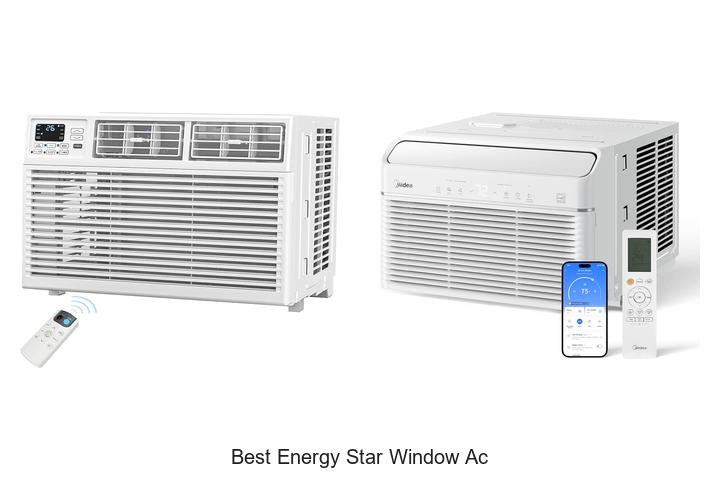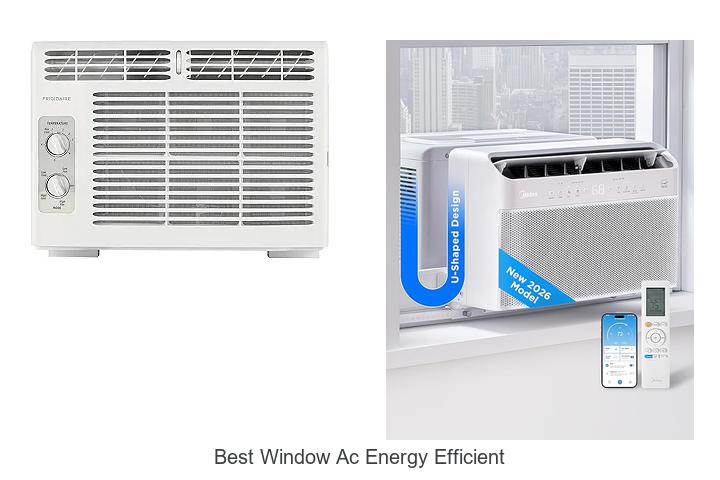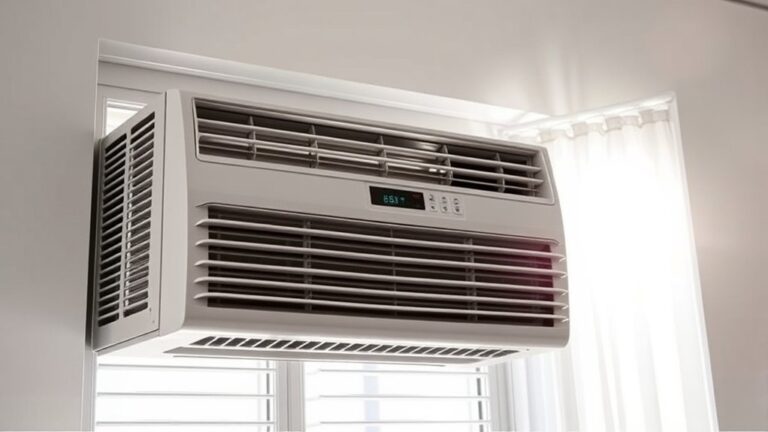
What Makes Window AC Units Efficient?
Many people struggle with keeping their homes cool during hot days without skyrocketing energy bills. Finding an efficient window AC unit that works well and saves you money can feel overwhelming.
To make your window AC unit efficient, you need to choose the right size for your room, guarantee proper installation, and regularly maintain filters and coils.
Placing it in a shaded spot away from sunlight helps, as does sealing gaps around the unit.
Advanced features like smart thermostats and variable-speed fans can also optimize performance.
Keep in mind that understanding energy ratings and avoiding common mistakes can further boost efficiency.
Stay tuned for more tips to help you stay cool and save energy.
Key Takeaways
- Proper sizing and accurate room measurement help the unit cool effectively without wasting energy.
- Correct placement away from direct sunlight and obstructions improves airflow and cooling efficiency.
- Regular maintenance, like cleaning filters and sealing leaks, keeps the unit running at its best.
- Features such as smart thermostats and variable-speed compressors can adjust energy use based on your needs.
- Good insulation and sealing prevent warm air from sneaking in, which reduces the workload on the AC.
Understanding How Window AC Units Cool Your Space
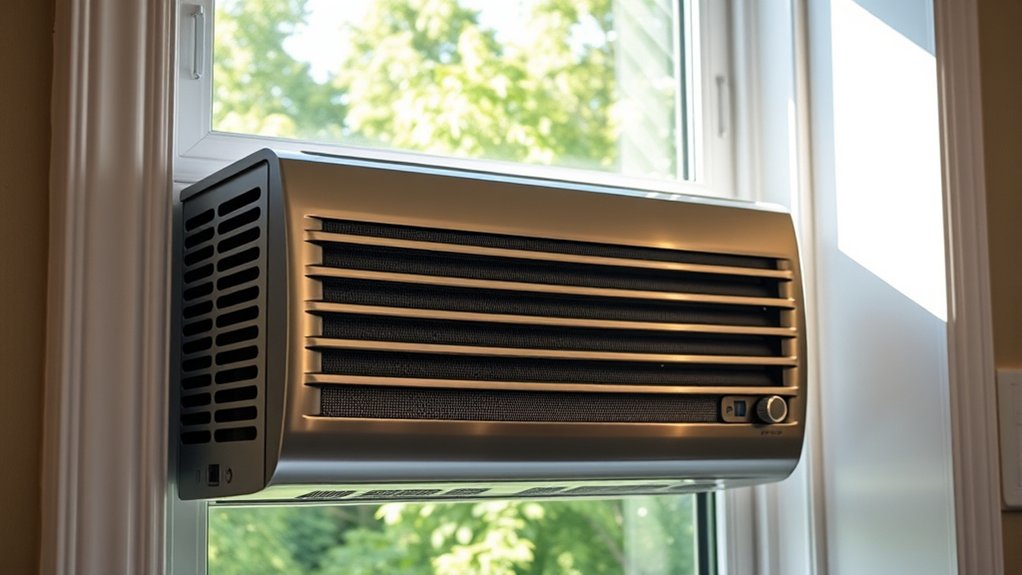
Although it might seem simple, understanding how window AC units cool your space involves more than just flipping a switch. When your unit runs, it pulls warm air from your room, passes it over cold coils, and releases cooled air back in.
Window ACs cool your space by pulling warm air, passing it over cold coils, and releasing refreshed, cooled air back into the room.
Proper window insulation is key because gaps or leaks let warm air in and cool air out, which lowers efficiency. Sealing these gaps keeps the cold air inside longer, so your AC doesn’t have to work as hard.
This not only saves energy but also helps your unit cool more effectively. Noise reduction is also important; a well-installed unit minimizes vibrations and rattles that can be distracting.
A tight fit prevents outside noise from coming in and keeps your space quieter. Knowing how these pieces work together helps explain why some units cool better and use less energy.
Good insulation and proper installation boost cooling performance and make your environment more comfortable and quieter.
Why Proper Sizing Is Key to Efficiency
Have you ever noticed how a too-small or too-large window AC unit can struggle to keep your space comfortable? Proper sizing is key for efficiency. When your unit fits well, it improves indoor airflow, ensuring cool air circulates evenly without strain.
An oversized unit cools too quickly, leading to short cycling. This wastes energy and increases noise, making it harder to reduce noise levels. On the other hand, a small unit runs constantly, using more power and struggling to lower the temperature effectively.
To get the best efficiency, consider these tips:
- Choose a unit with the right cooling capacity for your space.
- Make sure the airflow matches your room size.
- Avoid oversized units that cause frequent cycling and noise problems.
Proper sizing not only improves airflow and keeps your environment comfortable but also reduces noise and saves energy. Always measure your space carefully before selecting a window AC unit.
Technologies That Make Window Air Conditioners More Efficient
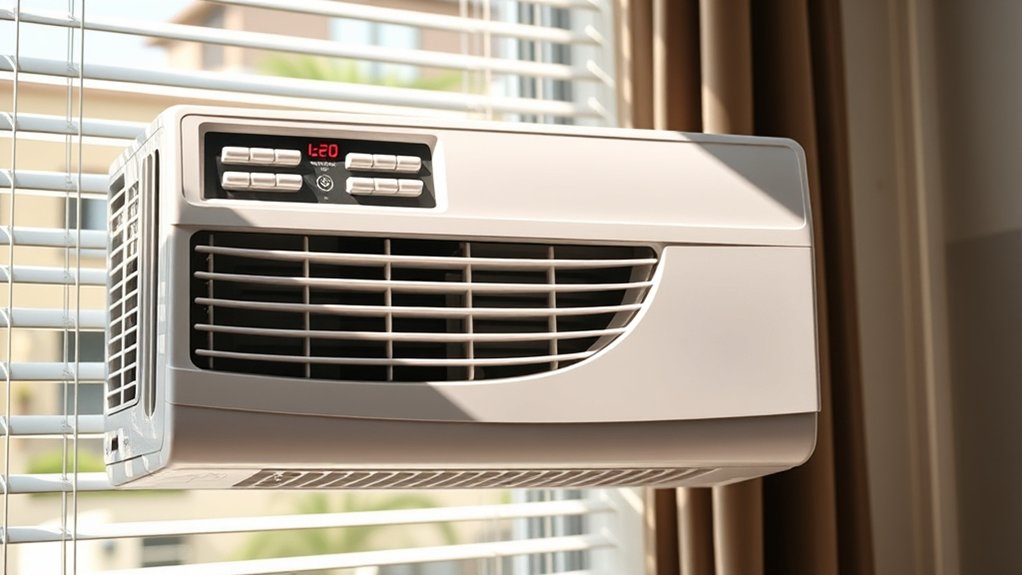
Advancements in technology have significantly improved the efficiency of window air conditioners, helping you stay cool while using less energy.
One major innovation is the integration of smart thermostats, which let you control your unit remotely and set precise temperatures. These thermostats learn your preferences over time, optimizing cooling cycles and cutting down on energy waste.
Some window AC units now also offer solar power options, using renewable energy to run more sustainably. Solar-powered models can operate independently of the grid, lowering your overall energy use and utility bills.
Other improvements include variable-speed compressors that adjust cooling output based on your room’s needs, and better insulation and sealing methods to prevent energy loss.
All these technologies make window AC units more efficient, cost-effective, and eco-friendly, helping you stay comfortable while reducing your carbon footprint.
How to Install and Place Your Window AC for Best Performance
Want your window AC to work its best? The key is making sure it’s installed properly. First, pick the right window—ideally one that’s sturdy and easy to seal around the unit. Then, set it up carefully, making sure it’s level and securely in place. Don’t forget about drainage—ensure the unit can drain water properly to avoid leaks or damage. When everything’s installed right, your AC will run more smoothly, use less energy, and last longer. It’s all about doing it right from the start!
Optimal Window Placement
Are you unsure about the best way to install your window AC for peak performance? Proper placement is key. First, make sure it’s installed with shade placement in mind; putting it in a shaded spot helps it run more efficiently by avoiding direct sunlight.
Next, check the window sealing. A tight seal keeps warm air out and cool air in, which boosts efficiency. Also, position the AC so airflow isn’t blocked by curtains or furniture, allowing for better cooling.
Finally, ensure the unit is level and securely mounted to prevent vibrations. By following these steps, you’ll get the most out of your window AC and save energy. Proper placement really makes a difference in how well it cools and how efficiently it runs.
Proper Drainage Setup
Have you made sure your window AC is set up for proper drainage? A good drainage system is key for efficient cooling and avoiding water damage.
Check that your unit is tilted slightly downward to help water flow away from the window and your building. Make sure the drainage hole or drain pan isn’t clogged so water can drain freely.
Regularly remove any debris like leaves or dirt that might block water disposal. Proper drainage stops water from leaking inside, which can lead to mold or damage.
Also, ensure your unit is securely positioned to prevent shifting that could disrupt the drainage system. Keeping the water pathway clear helps your AC run smoothly and last longer.
Secure Mounting Techniques
Ensuring your window AC is securely mounted is key for top performance and safety. Properly securing it helps prevent vibrations, noise, and accidents.
To get the best stability during installation, follow these simple steps:
- Check the window frame to make sure it’s sturdy and can support the weight of the unit without shifting.
- Use the right brackets—make sure they’re strong and designed for your AC’s size.
- Seal any gaps around the window with insulation or weather stripping to stop air leaks and keep everything stable.
What Do Energy Ratings and Certifications Mean?
Understanding energy labels and certifications can really help you compare AC units more easily. They give you a quick way to see how efficiently a unit uses power and whether it meets safety or environmental standards.
When you know what these labels and certifications mean, it becomes simpler to pick an appliance that not only saves you money on energy bills but also helps reduce your carbon footprint.
Understanding Energy Labels
Ever wonder what those energy labels on window AC units really mean? They’re there to help you understand the unit’s energy efficiency and cooling performance.
Look for the ENERGY STAR label, which shows the unit is energy-efficient and eco-friendly. It can also help lower your energy costs over time.
The label also displays the SEER, or Seasonal Energy Efficiency Ratio. Higher numbers mean the unit cools more efficiently over a season.
Additionally, check the EER, or Energy Efficiency Ratio. This measures the cooling performance at specific conditions, helping you compare units at peak operation.
Understanding these labels makes it easier to pick an efficient, effective window AC.
Certification Standards Explained
Have you ever wondered what the various energy ratings and certifications on window AC units truly mean? Certification standards set the efficiency benchmarks that manufacturers must meet to earn labels like ENERGY STAR or other regional approvals.
These standards guarantee the unit operates efficiently, saving you money and reducing energy waste. When a window AC unit is certified, it means it has undergone rigorous testing to meet specific performance criteria.
The ENERGY STAR label, for example, indicates the unit surpasses minimum efficiency requirements. It offers better cooling with less energy consumption.
Understanding these certification standards helps you make smarter choices. It ensures you buy an appliance that’s not only effective but also environmentally friendly and cost-efficient over its lifespan.
Features That Help Cut Your Energy Bills
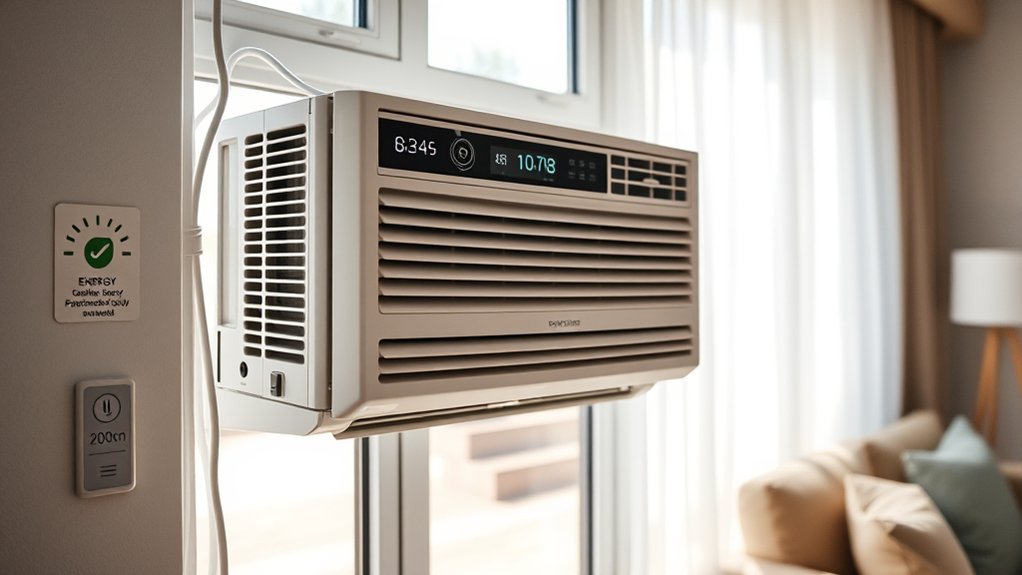
To reduce your energy bills, look for window AC units with smart features like programmable timers and energy-efficient compressors. These use advanced cooling tech to optimize power use.
Here are three key features to consider:
- Smart Thermostat Control: Lets you set precise temperatures and schedules, so you don’t waste energy when you’re away or asleep.
- Energy-Efficient Compressors: Modern compressors can adjust their speed based on cooling needs, cutting down on power without losing performance.
- Variable Fan Speeds: Gives you control over airflow, making your space comfortable while using less energy.
Tips for Maintaining Your Window AC’s Efficiency
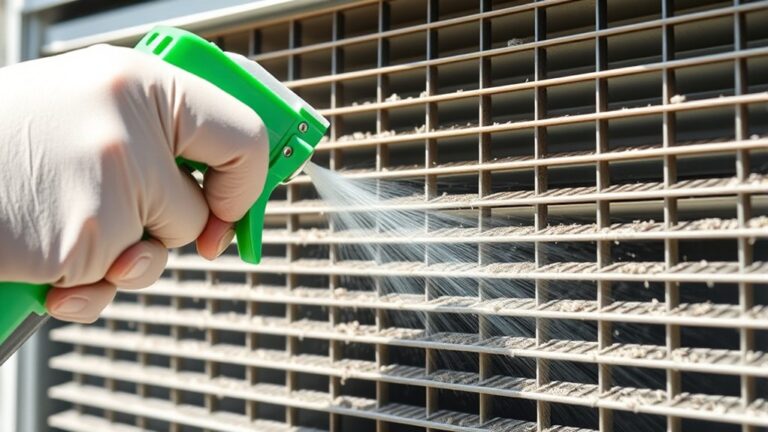
Regularly cleaning or replacing the air filter is one of the easiest ways to keep your window AC running smoothly. A clean filter improves airflow, reduces strain on the unit, and helps control indoor humidity. When filters get clogged, your AC has to work harder, which increases noise and energy use.
Plus, maintaining proper indoor humidity levels makes your space more comfortable and can prevent mold growth.
Here’s a quick guide to help you stay on top of maintenance:
| Task | Frequency | Benefit |
|---|---|---|
| Clean or replace filter | Every 1-2 months | Better airflow, lower noise |
| Check seals and gaps | Monthly | Prevent cool air leaks |
| Clear debris around unit | Weekly | Improve efficiency |
| Monitor indoor humidity | Use a hygrometer weekly | Comfort and mold prevention |
| Tighten mounting hardware | Annually or as needed | Reduce noise and vibration |
Staying consistent with these steps keeps your AC efficient, quieter, and better at controlling indoor humidity.
Common Mistakes That Reduce AC Efficiency and How to Avoid Them
One mistake people often make is placing their AC unit in the wrong spot. If it’s in a location where airflow gets blocked or restricted, your AC has to work much harder to cool your space. So, it’s really important to choose a good spot where air can circulate freely.
Another common issue is neglecting regular maintenance. Things like dirty filters and coils can really make your AC strain and lose efficiency over time. Making sure to clean or replace filters and check coils regularly helps keep everything running smoothly. Staying on top of these simple tasks can save you energy and keep your AC working efficiently longer.
Improper Unit Placement
Proper placement of your window AC unit is essential for peak performance, yet many people make simple mistakes that hinder efficiency. One common error is installing the unit where it’s exposed to direct sunlight, which makes it work harder.
To avoid this, choose a shaded spot or add window insulation to block heat. Also, make sure the unit is centered in the window for proper airflow.
Here are some key tips:
- Avoid direct sunlight exposure to reduce heat gain.
- Use window insulation to prevent warm air from leaking in.
- Position the unit so airflow isn’t blocked by curtains or furniture.
Correct placement helps maximize cooling and reduce energy use. This keeps your space comfortable and saves you money.
Neglecting Regular Maintenance
Neglecting routine maintenance can significantly reduce your window AC unit’s efficiency, making it work harder and use more energy. Regularly cleaning filters helps ensure proper airflow and cooling performance.
Dirty filters block air, forcing the unit to overexert. This not only increases energy use but also shortens the lifespan of your AC. Checking seals around the unit is important too.
Damaged or loose seals let cool air escape and warm air enter, making your AC work harder to keep the room comfortable. Staying on top of these simple tasks boosts efficiency and helps you save on energy bills.
Skipping maintenance might seem minor, but over time it really affects your unit’s performance. Keeping everything clean and checked keeps your window AC running smoothly and efficiently.
How to Choose the Best Window AC Model for Your Needs
Choosing the right window AC model depends on understanding your cooling needs and the specific features that suit your space. To make an informed decision, consider these key points:
- Room Size: Measure your space carefully to pick an AC with the right BTU capacity. If it’s too small, it won’t cool effectively. If it’s too large, it can waste energy and increase costs.
- Energy Efficiency: Look for models with high EER ratings. These promote energy conservation, helping you save on electricity bills and reduce your environmental impact.
- Features and Settings: Opt for models with adjustable fan speeds, timers, and energy-saving modes. These features improve comfort and efficiency, making your investment more worthwhile.
How Climate and Room Usage Affect Your AC’s Performance
Climate conditions and how you use your room greatly affect your window AC’s performance. The impact of the climate is pretty significant—hotter, more humid environments make it harder for your unit to cool effectively, which can lead to higher energy use.
If you live in an area with high temperatures or humidity, choosing an AC with a higher BTU rating can help keep your space comfortable without overworking the unit.
Room usage also plays a role; a space that’s often occupied or has large windows and poor insulation will need more cooling power.
Keep doors and windows closed to cut down on heat gain and avoid overloading your AC. Using fans along with your unit can help improve airflow and boost efficiency.
Shading your window from direct sunlight can also lessen the workload on your AC.
Frequently Asked Questions
How Does Insulation Impact My Window Ac’s Efficiency?
Good insulation and proper wall sealing greatly improve your window AC’s efficiency. Well-insulated walls keep the cool air inside and stop warm air from sneaking in, so your unit doesn’t have to work as hard.
Sealing gaps around the window frame also helps cut down on air leaks. This means your AC can cool more effectively without extra effort.
Together, good insulation and sealing make your space cooler for longer and can help lower your energy bills.
Can Using a Programmable Thermostat Improve Efficiency?
Using a programmable thermostat is like having a personal climate control wizard, making your AC more efficient. It helps you save energy by automatically adjusting the temperature when you’re away or asleep, so you’re not cooling an empty home.
This precise temperature control cuts down on energy use, lowers your utility bills, and even extends your AC’s lifespan. By fine-tuning your window unit’s operation, you make your home more comfortable and eco-friendly.
All of this adds up to saving money while keeping your home just the way you like it.
What Role Does Airflow Circulation Play in AC Performance?
Airflow circulation is crucial for your AC’s performance. When you optimize airflow, cool air spreads evenly throughout the room, preventing hot spots.
Good ventilation helps remove warm, stale air and brings in fresh air, which boosts efficiency. Proper airflow reduces strain on the unit, saving energy.
Regularly cleaning filters and adjusting vents can improve airflow circulation, helping your window AC run more effectively. This keeps your space comfortably cool.
How Often Should I Replace or Upgrade My Window AC Unit?
You should replace or upgrade your window AC unit every 8 to 10 years to keep it running at its best. Regular maintenance, like cleaning filters and checking seals, can help extend its lifespan.
Look for models with energy-saving features, such as programmable timers and energy-efficient compressors, to help cut down on your electricity bills.
Upgrading when your unit becomes less effective or outdated is a good idea. It ensures you stay comfortable while saving money and energy in the long run.
Do Window AC Units Work Effectively in Extremely Hot Climates?
In extremely hot climates, window AC units do work effectively, but they might seem to battle the heat like a hero fighting a fire. They’re designed to handle high temperatures, but expect increased energy consumption and higher noise levels as they work harder.
To keep cool without breaking the bank, choose an energy-efficient model and consider noise-reducing features. Proper insulation also helps your unit perform at its best.
Conclusion
To keep your window AC running smoothly and efficiently, stay vigilant with regular maintenance, proper installation, and choosing the right model.
Don’t cut corners or overlook small details because they can add up and drain your energy. When you give your unit the care it needs, you’ll get the best bang for your buck and stay cool without breaking a sweat.
Remember, a stitch in time saves nine. Taking proactive steps now pays off in the long run, especially when it comes to maintaining an efficient window AC unit.