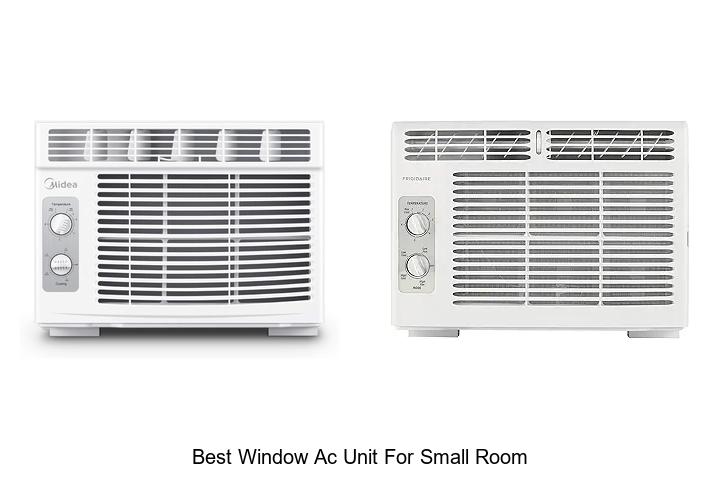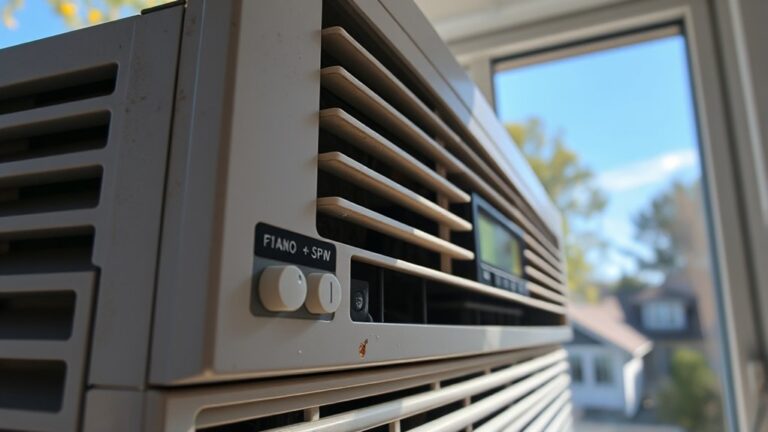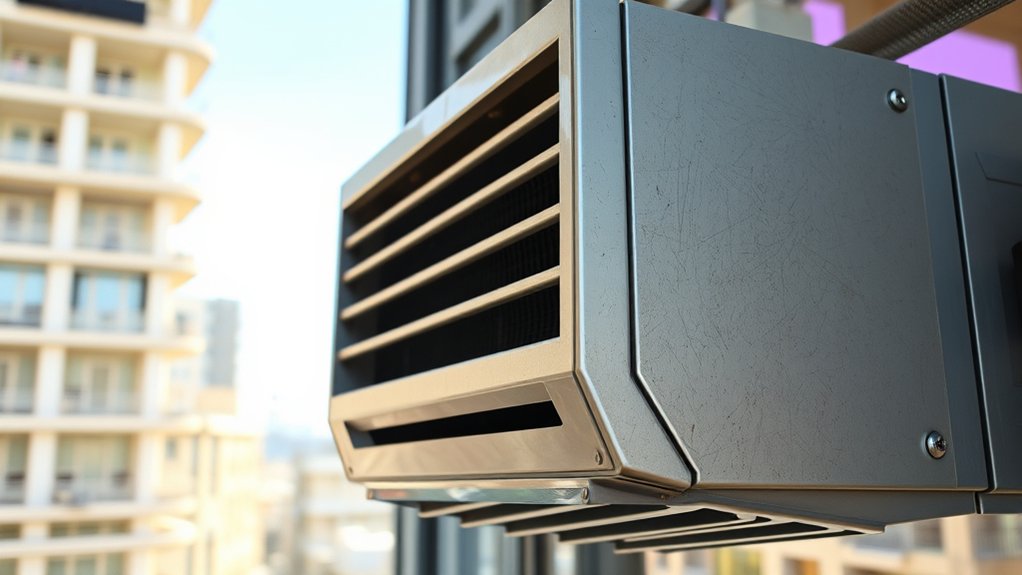
Average Weight of Heavy Window AC Units?
Are you tired of struggling with heavy window AC units that seem impossible to lift or install? You’re not alone. Many people find the weight of these units to be a real challenge, especially when trying to fit them into windows safely.
Heavy window AC units typically weigh between 80 and 150 pounds, depending on their size and features. Larger units with higher BTU ratings tend to be heavier because of stronger compressors, more insulation, and additional components.
The weight can impact installation and window support, so it’s important to consider your window’s strength and capacity. If you want to understand what influences these weights and how to handle them safely, continue exploring more details.
Key Takeaways
- Heavy window AC units usually weigh between 80 and 150 pounds.
- Larger units with higher BTU ratings tend to be on the heavier side.
- Heavy-duty models often weigh around 70 to 100 pounds, depending on features.
- Materials like metal casings and reinforced parts add to the weight.
- The weight affects installation, support needed, and how easy it is to handle the unit.
Why Knowing the Weight of Heavy Window AC Units Matters
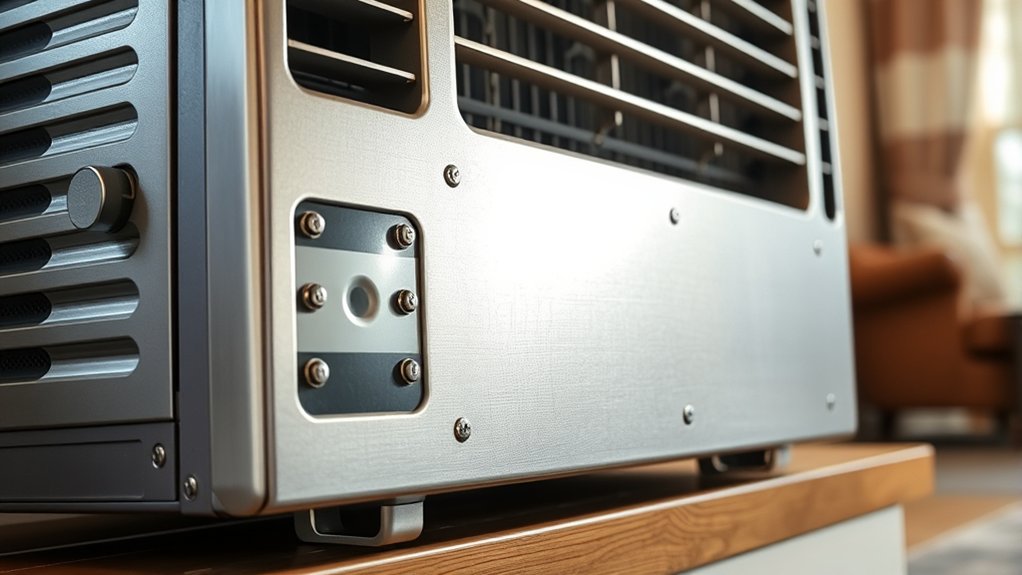
Knowing the weight of heavy window AC units is essential because it directly impacts your safety and ease of installation. Heavier units can be more challenging to mount securely, increasing the risk of accidents if not handled properly.
The weight often correlates with energy efficiency; heavier units tend to have larger components and better insulation, which can improve energy savings. However, a heavier AC may also produce higher noise levels during operation, especially if the mounting isn’t solid.
Understanding the weight helps you determine if your window frame can support the unit safely and whether you need additional support or professional installation. It also allows you to plan for easier handling and transportation.
What Is the Typical Weight Range for Heavy Window Air Conditioners?
Heavy window air conditioners typically weigh between 80 and 150 pounds, depending on their size and features. This weight range can affect how easy it is to install the unit and how well it performs.
Heavier units often have better insulation and more robust components, which can lead to improved energy efficiency. When choosing a unit, think about how its weight might impact your window’s ability to support it securely.
Lighter models are easier to install, but heavier ones can sometimes operate more quietly. This is because they often include better soundproofing and vibration damping, which help reduce noise during operation.
Keep in mind that a heavier AC might need extra support or professional installation to ensure safety and optimal performance. The weight varies based on features like cooling capacity, compressor size, and energy-saving technologies.
While heavier models can offer benefits like quieter operation and better efficiency, make sure your window can handle their weight comfortably. Overall, knowing the typical weight range helps you find a unit that balances power, quietness, and ease of installation.
Key Factors That Influence the Weight of Window AC Units
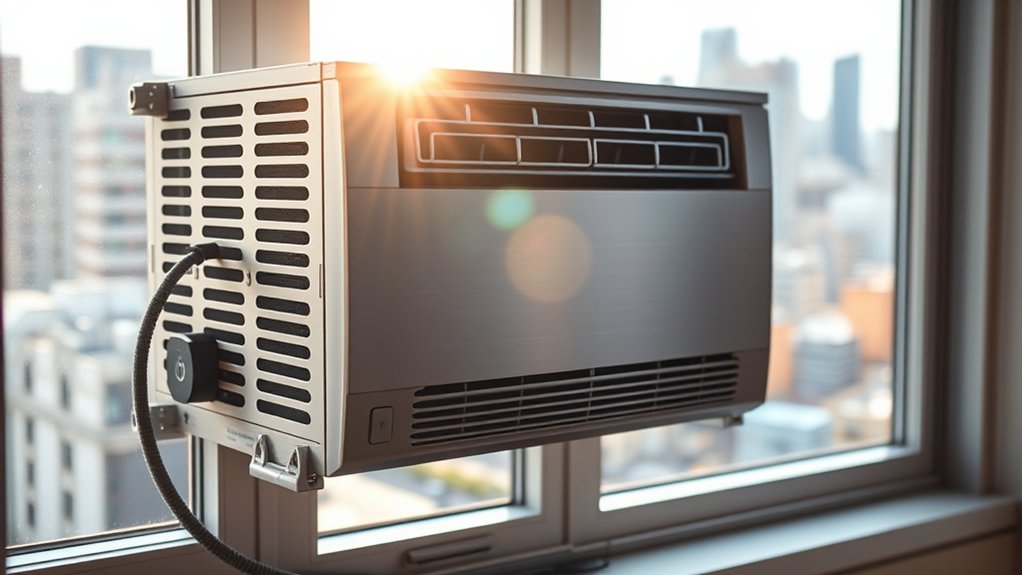
The size and capacity of your window AC unit really affect how much it weighs. Generally, bigger models tend to be heavier because they have more cooling power and larger components. So, if you’re looking at a unit with a higher BTU rating, be prepared for a bit more heft.
The materials used in building the unit also matter a lot. For example, units made with metal parts are usually heavier than those made mostly from plastic. Knowing these details can help you pick a unit that fits well in your space and is easier to install.
Unit Size and Capacity
Have you ever wondered how the size and cooling capacity of a window AC unit affect its weight? Larger units with higher capacity tend to be heavier because they have bigger compressors, more extensive cooling parts, and extra supporting components.
These units often focus on energy efficiency, which can influence their design and weight. More efficient models might include advanced features that add to the overall mass.
Plus, unit size affects noise levels. Bigger units usually run more quietly thanks to better insulation and sound-dampening features, but they also weigh more.
When choosing a window AC, think about how size and capacity balance your cooling needs with portability and ease of installation. Keep in mind that higher capacity generally means increased weight.
Material and Construction
Materials and construction methods play an essential role in determining the weight of a window AC unit. Heavier units often use robust metal casings, which can improve energy efficiency and durability.
The choice of internal components also impacts weight. Thicker insulation reduces noise levels but adds to the overall mass. Lighter plastics may lower weight but might compromise noise reduction and energy efficiency.
Units with reinforced frames tend to be sturdier but heavier. Consider how the material impacts not just weight but also performance features like noise levels and energy consumption.
| Material Type | Impact on Weight & Features |
|---|---|
| Metal | Heavier, durable, better energy efficiency |
| Plastic | Lighter, less noise, potentially less durable |
How Size and Cooling Capacity Affect the Weight
Your window AC unit’s size really plays a role in how much it weighs. Usually, the bigger the unit, the heavier it is. That’s because larger units need more materials and components to function properly.
And when it comes to cooling capacity, units with higher power tend to be a bit heavier too. They often have extra parts to handle that increased performance. Knowing these things can help you pick an AC that fits your space and cooling needs—without accidentally choosing something too heavy to install or move easily.
Size Influences Overall Weight
The size and cooling capacity of a window air conditioning unit directly impact its weight. Usually, bigger units are heavier because they need more metal and parts.
A larger AC can cool bigger spaces but can also be more difficult to install. The size you choose affects energy efficiency and noise levels too.
The table below shows how different sizes match up with approximate weights and features:
| Size Category | Approximate Weight | Notable Features |
|---|---|---|
| Small | 40-50 lbs | Quiet operation, compact design |
| Medium | 50-70 lbs | Good energy efficiency |
| Large | 70-100 lbs | Higher cooling capacity |
| Extra Large | 100+ lbs | Increased noise levels |
Knowing the size helps you pick an AC that balances weight, efficiency, and noise for your needs.
Cooling Capacity Variations
As the cooling capacity of a window AC increases, so does its weight. Larger units with higher BTU ratings typically have more robust components, which add to their overall mass. This can affect how easy they are to install and move around.
Bigger units often consume more power, but they can cool a room more effectively. The increased weight might improve energy efficiency by supporting better cooling performance.
Higher-capacity units may produce more noise because of larger compressors and fans. Depending on the design, they could also operate quieter or noisier.
The size and weight of the unit influence whether it fits well in your window and how easy it is to handle. When choosing, consider how capacity impacts portability and installation.
Balancing capacity with weight is key to finding a unit that offers good efficiency and comfort without being too cumbersome.
Features That Make Heavy Window AC Units Heavier
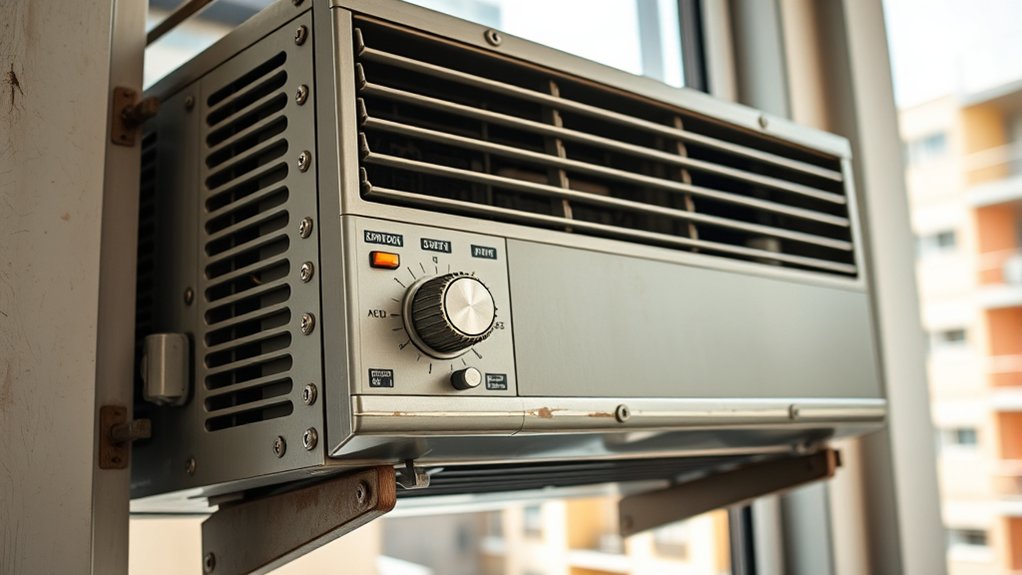
Heavy window AC units tend to be bulkier because they include extra features and components to boost performance and durability.
One main reason is improved insulation and soundproofing, which adds weight while making the unit quieter. These units are often equipped with larger or sturdier compressors and condensers to improve energy efficiency, which also increases their weight.
They also tend to have advanced filtration systems and extra air vents, adding to the overall bulk. Some models come with heavy-duty mounting brackets or reinforced casings to support these features, making them heavier.
While these features make the units more effective and durable, they also make installation harder and increase transportation weight.
In short, the main reason heavy window AC units are bulkier than standard models is the combination of energy efficiency upgrades and noise-reducing components.
Differences Between Standard and Heavy-Duty Window Units
While standard window AC units are mainly for basic cooling needs, heavy-duty models are made to handle tougher environments and longer use. They usually have bigger, more durable parts, which makes them heavier.
These units often have higher energy efficiency, helping you save on electricity bills even with their size. Heavy-duty models also tend to run more quietly, reducing noise during long periods of use. This makes them great for busy places or bedrooms.
Some key differences include:
- Larger, stronger compressors and fans
- Better insulation to keep noise down
- Higher energy efficiency ratings
- More durable for continuous use
- Heavier weight because of stronger materials and parts
Knowing these differences helps you pick the right unit based on your cooling needs, energy goals, and noise preferences.
How to Safely Install and Handle Heavy Window AC Units
Installing and handling heavy window AC units requires careful planning and proper techniques to guarantee safety and effectiveness. Start by securing a sturdy support system, making sure the window frame can handle the unit’s weight.
Use proper lifting techniques to prevent injury; get help if needed. When positioning the AC, ensure it’s level to optimize energy efficiency and reduce vibrations that can increase noise levels.
Secure the unit firmly to prevent movement, which can cause damage or accidents. Before installation, clear the area and check for obstacles. During handling, wear gloves and safety gear to protect against sharp edges or accidental drops.
Once installed, test the unit’s operation. Listen for excessive noise and adjust the placement if needed. Proper installation not only improves energy efficiency but also minimizes noise, making your space more comfortable and safe during setup.
Checking If Your Window Frame Can Support a Heavy AC
Thinking about installing a heavy window AC? Before you do, it’s a good idea to see if your window frame can actually handle the weight. Look at what your frame is made of and how sturdy it is—some materials just aren’t built to support extra load, and you don’t want your AC coming crashing down!
Also, make sure the size of your window matches the AC unit. You want it to fit snugly and securely, so it stays put and works efficiently. Taking these quick checks can save you a lot of hassle down the line and keep everything safe and sound.
Frame Material Strength
Your window frame needs to be strong enough to support a heavy AC unit. The durability of the material is key to ensuring safety and stability.
Before installing, think about how well the material can handle stress and weight. This is usually checked through material testing.
Stronger materials like reinforced wood, vinyl, or aluminum generally have higher load capacities. Look for any signs of wear or damage that could weaken support.
Remember, the robustness of the frame can change with age and how well it was built. To ensure your window can handle the weight, evaluate the material’s strength through proper testing.
A sturdy frame helps prevent accidents or damage during the cooling season. Make sure you follow the relevant material testing standards for durability.
Know the common frame materials and their strength so you can choose the best option. Watch out for signs of weakened or compromised frames that might need reinforcement.
For weak frames, consider reinforcement options to improve support. Also, check the weight capacity recommendations to stay within safe limits.
Window Size Compatibility
Ensuring your window frame can support a heavy AC unit starts with measuring its size accurately. You need to check the dimensions of both the window opening and the unit to guarantee a proper fit.
A window that’s too small or weak may compromise energy efficiency, leading to increased power consumption and higher bills.
Furthermore, a secure fit helps reduce noise levels by minimizing vibrations and rattling. If your window frame isn’t sturdy enough, consider reinforcing it or opting for a lighter model.
Properly fitting the AC not only improves energy efficiency but also keeps noise levels low, providing a quieter environment.
Taking these steps guarantees your heavy window AC unit stays secure and functions at its best.
Comparing the Weight of Popular Heavy Window AC Models
When choosing a heavy window AC unit, knowing how their weights differ can help you pick the right model for your setup. Popular models can range from about 70 to 100 pounds.
Generally, heavier units tend to have better energy efficiency. But they might also produce more noise, which can affect your comfort. Comparing these models helps you find the right balance between performance and convenience.
Heavier units often offer better energy efficiency but may be noisier, so balance performance with your comfort needs.
Keep these points in mind:
- Heavier models usually have larger cooling capacities.
- The weight can impact how easy installation is and what your window can support.
- Some brands offer lighter, yet still efficient units, making installation simpler.
- Noise levels tend to go up with weight, so consider quietness if that’s important.
- Energy efficiency ratings might vary regardless of weight, so always check the specs.
Alternatives to Heavy Window Air Conditioners for Your Home
While heavy window AC units offer strong cooling power, they’re not always the best fit for every home. If you’re looking for alternatives, consider ductless mini-split systems. These units are more energy-efficient, helping you save on electricity bills, and they operate more quietly than traditional window units, reducing noise levels in your living space.
Portable air conditioners are another option. They’re easy to install and move around, making them ideal for renters or spaces without window access. Central air conditioning provides whole-home cooling, often with better energy efficiency and lower noise levels, especially with modern, quiet models.
Window fans and exhaust fans can also improve airflow without the bulk or weight of heavy AC units. Each alternative offers different benefits, so think about your home’s layout, energy goals, and noise preferences to find the best solution for your cooling needs.
Frequently Asked Questions
Are Heavy Window AC Units More Energy-Efficient Than Lighter Models?
Heavy window AC units aren’t necessarily more energy-efficient than lighter models. Their weight mainly affects installation ease and stability, not energy savings.
You’ll want to look at the unit’s SEER rating and energy consumption stats for efficiency. A properly installed, energy-efficient model can save you more on your energy bills, regardless of weight.
Focus on features and ratings, rather than weight, to find the best fit for your cooling needs.
How Does the Weight Affect the Noise Level of the AC Unit?
The weight of your AC unit affects its noise level mainly through vibration reduction and sound insulation. Heavier units tend to produce less noise because they generate fewer vibrations that transfer to your window or wall.
Plus, the increased mass allows for better sound insulation, which helps dampen the noise from the compressor and fan. So, a heavier AC unit generally runs quieter, making your space more peaceful.
Can Heavy Window AC Units Be Used in All Types of Window Frames?
Heavy window AC units aren’t suitable for all window frames because of mounting stability and compatibility issues. You need to make sure your window can support the weight securely without risking damage or accidents.
Before installation, check your window’s size, material, and structural strength. If your window isn’t compatible or stable enough, consider lighter units or alternative cooling methods to stay safe and ensure proper functioning.
What Maintenance Challenges Come With Heavier Window Air Conditioners?
Heavy window AC units can turn your installation into a real challenge, almost like lifting a small car!
You’ll face mounting difficulties that can strain window frames and even cause damage.
Regular maintenance becomes a Herculean task with these heavier units.
They require extra effort to clean filters, check seals, and make sure everything stays stable.
Be prepared for the physical toll and the potential need for reinforcement.
Upkeep can feel like an ongoing battle of strength and patience.
Are There Specific Safety Precautions for Handling Heavy AC Units?
When handling heavy AC units, always wear safety gear like gloves and goggles to protect yourself.
Use proper lifting techniques, such as bending your knees and keeping your back straight, to avoid injury. If the unit is too heavy, don’t hesitate to ask for help or use tools like a dolly.
Taking these precautions helps keep you safe and makes the installation or removal process much easier.
Conclusion
Understanding the weight of heavy window AC units is like knowing the strength of your ship’s hull before setting sail. It helps you prepare for installation, ensure your window can handle the load, and choose the right model.
By staying informed, you avoid surprises and keep your home’s comfort sailing smoothly. So, weigh your options carefully—your home’s stability depends on it.
With the right knowledge about the weight of heavy window AC units, you’ll navigate climate control with confidence.