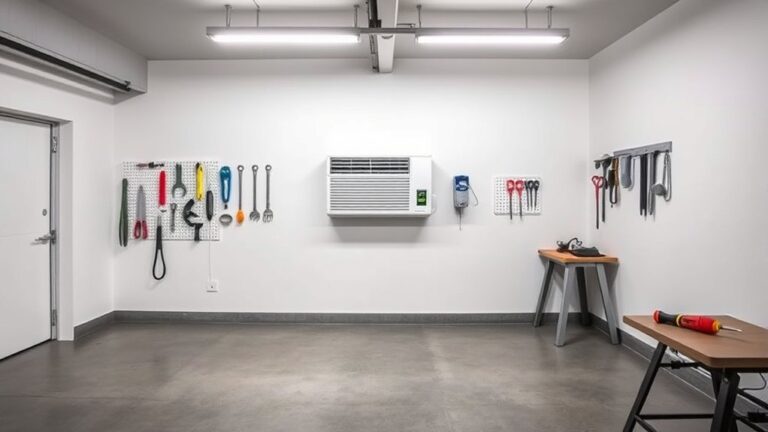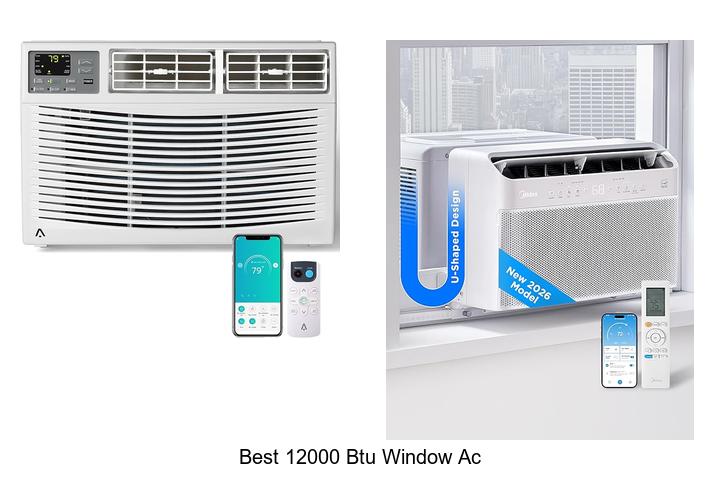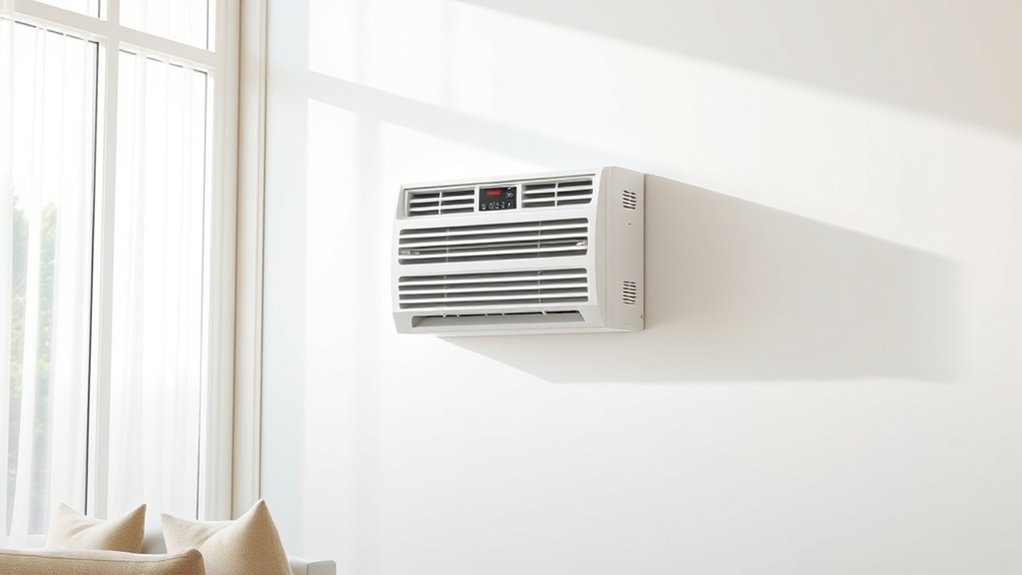
What Size Window AC Do You Need for 1000 Sq Ft?
Feeling overwhelmed trying to figure out which window AC size is right for your space? You’re not alone—many people struggle with choosing the perfect unit to keep their home cool and comfortable.
To cool a 1000 sq ft space effectively, you’ll need a window AC with a capacity of about 8,000 to 12,000 BTUs. This range depends on factors like insulation, sun exposure, and room layout.
If your room gets lots of sunlight or has poor insulation, opt for the higher end of the BTU range.
Proper sizing guarantees comfort and energy efficiency. To find the best match for your space, keep exploring the key factors influencing AC size and features.
Key Takeaways
- For 1000 sq ft, a window AC between 8,000 and 12,000 BTUs usually works well.
- Think about room insulation, sunlight, and how many people are in the room to get the right BTU size.
- If your room has high ceilings or isn’t well insulated, go for units closer to the higher end of the range.
- You can use online calculators or talk to professionals for a more accurate size based on your room’s specifics.
- Make sure the AC is energy-efficient and has features that match how you’ll use it.
How Do You Determine the Right Cooling Capacity for a 1000 Sq Ft Room?

To determine the right cooling capacity for a 1000 sq ft room, you need to consider more than just the size. Factors like window placement affect how much heat enters the space.
If your windows face the sun or lack shading, you’ll need a more powerful unit to keep things cool. Noise levels are also important; a louder AC might be disruptive, especially if you use the room for work or sleep.
Choose an AC with quieter operation if noise is a concern. Think about how much sunlight your room gets during the day and how well it’s insulated. These factors influence the cooling capacity you’ll need.
Instead of only considering square footage, evaluate heat exposure and noise levels. This helps you pick an AC that’s efficient and keeps you comfortable.
This approach ensures you get the right size for effective cooling without wasting energy.
What Factors Affect the Size of Your Window Air Conditioner?
Several factors influence the size of the window air conditioner you should choose, beyond just the room’s square footage. Your window placement can affect the AC’s efficiency. If it faces direct sunlight or is shaded, you’ll need to adjust the unit’s size accordingly.
Window placement and sunlight exposure significantly impact your air conditioner’s efficiency and size needs.
Noise levels matter too. A more powerful AC might be louder, so consider your tolerance for sound. Other factors include insulation quality. Poorly insulated rooms require a stronger unit to stay comfortable.
Sun exposure is important. Rooms with more sunlight tend to need more cooling power. The number of occupants also makes a difference because additional people generate more heat.
Heat-generating appliances, like kitchens or rooms with electronics, may require a larger unit to stay cool. The room layout plays a role too. Open spaces often need different sizing compared to enclosed rooms.
What Is the Ideal BTU Range for a 1000 Sq Ft Space?

Choosing the right BTU range for your 1000 sq ft space is crucial to ensure effective cooling without wasting energy. For most rooms of this size, a window AC unit with a capacity between 8,000 and 12,000 BTUs works well.
If the unit is too small, it won’t cool efficiently. On the other hand, a unit that’s too large may cool the room too quickly, leading to unnecessary energy use. Remember, bigger units don’t automatically save energy.
Seasonal energy savings depend on choosing the right size and proper use. Avoid common myths that bigger units are always better for saving energy.
Here’s a helpful guide:
| Room Size | Recommended BTU Range |
|---|---|
| 800-1000 sq ft | 8,000 – 10,000 BTUs |
| 1000-1200 sq ft | 10,000 – 12,000 BTUs |
| 1200-1400 sq ft | 12,000 – 14,000 BTUs |
Picking the proper BTU ensures comfort and efficiency. It also helps maximize seasonal energy savings.
How Do Room Characteristics Influence Your Window AC Selection?
Room characteristics play a big role in choosing the right window AC size and features. Things like decor and structure can impact how well your AC cools.
Room features significantly influence the effectiveness and size of your window AC unit.
For example, heavy window treatments like thick curtains or blinds can block airflow, making it tougher for your AC to do its job. Similarly, window frame materials matter—metal frames tend to conduct heat, which can increase cooling needs, while vinyl or wood frames insulate better.
Think about these room traits:
- Heavy curtains or blinds can reduce cooling efficiency.
- Metal window frames conduct heat and may require a more powerful AC.
- Larger or oddly shaped rooms might need a higher BTU unit.
- Rooms with lots of sunlight or south-facing windows tend to be warmer.
- Poor insulation makes it harder to keep a comfortable temperature, affecting your AC size choice.
How Does Insulation Impact Your Window AC Size?
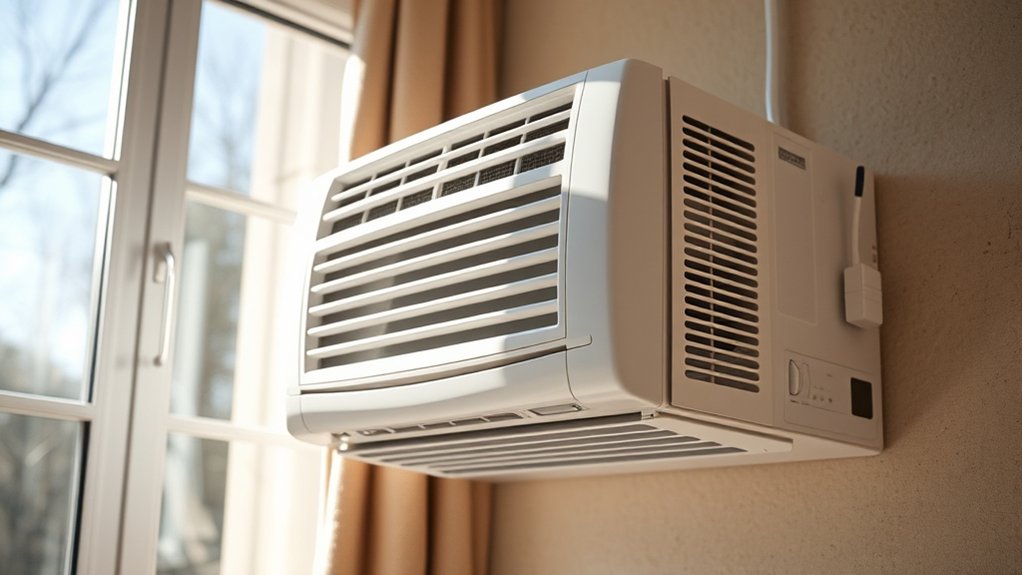
Good insulation helps keep your space cooler for longer, so you don’t need a super powerful AC unit. When your walls and windows are well-insulated, your AC can run more efficiently and save energy in the process.
On the flip side, if your insulation isn’t great, your space will lose cool air more quickly, which means you’ll need a larger or more powerful AC to keep things comfortable.
Insulation Reduces Cooling Load
Proper insulation plays a crucial role in reducing your cooling load, meaning your window AC doesn’t have to work as hard to maintain a comfortable temperature. When your home is well-insulated, less heat enters or escapes, so your AC can operate more efficiently. This might mean you need a smaller unit than you initially expected.
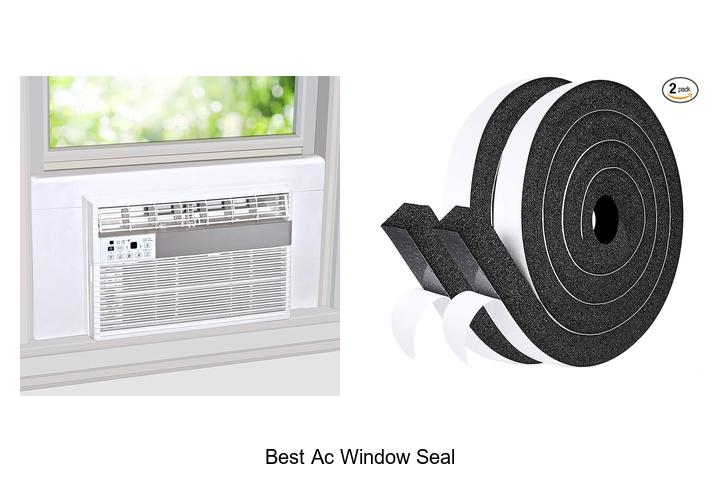
Good insulation also helps you optimize window placement for better airflow and reduces noise levels from the AC. To get the most out of your insulation, consider sealing gaps around windows and doors, using thermal curtains or blinds, adding wall or attic insulation, installing weatherstripping, and choosing energy-efficient windows.
All these steps help decrease your cooling load, making your AC’s job easier and potentially lowering your energy bills.
Better Insulation Enhances Efficiency
When your home is well-insulated, your window AC can work more efficiently because it doesn’t have to compensate for heat transfer through gaps or unsealed areas. Good insulation reduces the cooling load, allowing your unit to operate at lower capacity and save energy.
Proper window placement also helps. Positioning the unit away from direct sunlight and noise sources keeps temperatures steady and makes it run more quietly.
Better insulation minimizes temperature fluctuations, so your AC doesn’t need to run as often or at higher settings. This not only improves efficiency but also reduces noise levels, making your space more comfortable.
What Common Mistakes Should You Avoid When Choosing a Window AC?
Choosing the wrong size window AC can lead to inefficient cooling and higher energy bills, so it’s important to avoid common mistakes. One mistake is ignoring proper window placement, which can block airflow and reduce efficiency.
Be sure to measure your window accurately and select an AC that fits well without blocking vents or airflow. Another mistake is overlooking noise levels; some units are noisier than others, which can disrupt your comfort.
Avoid these pitfalls by keeping these in mind:
- Selecting an AC that’s too large or small for your space
- Forgetting to check the unit’s noise ratings
- Ignoring the importance of proper window placement
- Overlooking energy efficiency features
- Failing to measure your window before purchasing
How Do Energy Efficiency Ratings Affect Your Choice of Window AC?
Energy efficiency ratings are key when choosing a window AC because they show how much energy the unit uses. This directly affects your utility bills. A higher rating means the AC uses less power to cool your space.
Look for models with good EER or SEER ratings. These help you find eco-friendly options that lower your carbon footprint. Choosing an energy-efficient unit saves you money and helps the environment.
Keep in mind that a more efficient AC might cost a bit more initially. But it pays off with lower energy bills and a longer lifespan. Prioritizing energy efficiency means getting a cooling solution that’s both cost-effective and environmentally friendly.
When Should You Opt for a Higher or Lower Capacity Window AC?
You might want to go for a higher-capacity window AC if your room has an unusual layout or really tall ceilings—that kind of setup can make cooling a bit tricky. If the weather is hot and humid, or if you’re running the unit pretty often, a more powerful model can help keep things comfortable. On the other hand, if you’re dealing with a smaller space that you don’t use all the time, or if the weather is milder, then a lower-capacity unit should do the trick just fine.
Room Size and Layout
How do you determine the right window AC capacity based on your room’s size and layout? Your room size is the main factor, but layout details matter too. For larger spaces, you might need a higher capacity AC, while smaller or well-insulated rooms can benefit from a lower capacity unit.
Consider these points:
- Room insulation: Good sound insulation reduces cooling needs.
- Window tinting: Darkened windows block heat, lowering capacity requirements.
- Furniture placement: Items blocking airflow can impact cooling efficiency.
- Ceiling height: Higher ceilings mean more volume to cool.
- Sun exposure: Rooms with direct sunlight need stronger cooling.
Adjust your choice based on these factors to guarantee comfort without overpaying or undercooling.
Climate and Humidity Levels
Climate and humidity levels play a crucial role in deciding whether you should go for a higher or lower capacity window AC.
In humid environments, a larger unit helps reduce indoor humidity more effectively, making your indoor air quality and comfort better.
If you live in a dry climate, a smaller capacity might be enough, preventing overcooling.
Don’t forget about noise levels — a higher-capacity unit might be louder, which can impact your indoor environment.
If noise sensitivity matters to you, choosing a quieter unit is important, especially in humid conditions where you’ll run the AC longer.
Ultimately, understanding your climate’s humidity patterns helps you pick a window AC that keeps indoor air quality ideal while minimizing noise disturbances.
Usage Frequency and Duration
Frequent or prolonged use of your air conditioner usually means you’ll want a higher-capacity unit. This helps keep your space comfortably cooled without putting too much strain on the system.
If you run your AC daily or for many hours, a larger unit can actually help reduce energy consumption and keep the temperature steady. On the other hand, if you only need cooling occasionally, a smaller, more efficient unit is a better choice.
Think about how long you typically run your AC. Longer sessions might increase noise levels, while shorter use is better suited for smaller, quieter units. Also, the size of your room and how well it’s insulated will influence the right capacity for you.
Choosing the right size balances energy efficiency and noise, helping your space stay comfortable without wasting power or causing disruption.
How Can You Accurately Calculate Your Room’s Cooling Load?
Calculating your room’s cooling load accurately is key to choosing the right window AC size. In the past, people used a simple rule of thumb: a certain number of BTUs per square foot. But now, regional preferences and climate differences make more precise assessments necessary.
Accurately calculating your cooling load ensures the perfect fit for your window AC needs.
Start by measuring your room’s square footage. Since you’re looking at 1,000 sq ft, that’s your baseline. Then, think about factors like sun exposure, insulation quality, the number of people, and appliances, which all increase the cooling needs.
Regional climate matters too. Hotter, more humid areas require higher BTU ratings to keep things comfortable. You can use online calculators or get advice from a professional for a detailed load calculation that considers all these variables.
Understanding your specific needs helps ensure your window AC can handle the cooling load properly. This way, you avoid buying a unit that’s too small or too large, which can lead to inefficiency or higher energy bills.
What Features Should You Look for in a Window AC for a 1000 Sq Ft Home?
When choosing a window AC for your 1,000 sq ft home, it’s important to look for features that boost both comfort and efficiency. Smart controls are a big plus, letting you adjust settings remotely with your smartphone, set schedules, and keep an eye on energy use.
Noise levels matter too. Pick models that operate quietly so you can enjoy a peaceful environment. Consider these features to make the most of your AC:
- Energy efficiency ratings, especially ENERGY STAR certified models
- Adjustable fan speeds for personalized comfort
- Dehumidification functions to improve air quality
- Programmable timers for convenience and energy savings
- Multi-speed fans to balance airflow and noise control
These features will help your window AC cool effectively while enhancing your daily experience. They also save energy and reduce disruptions.
Prioritizing smart controls and low noise levels will create a comfortable, efficient, and quiet home environment.
Frequently Asked Questions
How Loud Will the Window AC Be During Operation?
Your window AC’s noise levels usually range from 50 to 60 decibels, which is like a normal conversation.
Sound insulation around the unit can greatly decrease noise, making it more comfortable during use.
If you want a quieter experience, look for models with noise-reduction features or better sound insulation.
Keep in mind that larger or older units tend to be louder, so choosing a modern, well-insulated model can help keep things peaceful.
What Are the Installation Requirements for a Larger Window Unit?
For larger window units, you’ll need a sturdy, compatible window frame that can support the weight and size of the AC.
Make sure the unit is securely mounted and seal any gaps to prevent air leaks. Check that the electrical outlet provides enough power without overloading.
Follow the manufacturer’s instructions carefully, and if you’re unsure, consider hiring a professional for installation. This helps ensure safe and efficient operation.
How Do Maintenance Needs Vary With Different AC Sizes?
Maintenance needs vary with AC sizes and can impact energy efficiency and noise levels. Larger units, like those for 1000 sq ft, often need more frequent filter changes and coil cleanings to stay efficient.
They might also produce higher noise levels, which could require additional troubleshooting. Smaller units are generally easier to maintain and use less energy, but they might struggle with larger spaces.
This means you’ll probably need to perform maintenance more often to keep performance at its best.
Can a Single Window AC Cool an Entire 1000 Sq Ft Space Effectively?
Can a single window AC cool an entire 1000 sq ft space? Think of it as a tiny hero in a vast empire—probably not enough for full efficiency. It might cool part of the area, but it won’t be energy-efficient or cost-effective for the entire space.
To save on energy and costs, consider a larger unit or multiple units. This way, you’ll get better coverage and overall comfort.
What Is the Typical Lifespan of a Window Air Conditioner?
A typical window air conditioner lasts about 10 to 15 years, depending on how much you use it and how well you maintain it. Regular filter changes and cleaning can really help extend its lifespan and keep it running efficiently.
When you’re choosing a model, keep in mind that a more efficient one might cost a bit more upfront. But it can save you money in the long run with lower energy bills.
Proper maintenance is key to keeping your AC working smoothly. This not only helps it last longer but also makes sure it cools your space effectively.
Conclusion
Choosing the right window AC for your 1000 sq ft space is like finding the perfect key for a lock. You want it to fit just right to keep your home comfortable without overworking the system.
Consider factors like room size, insulation, and energy ratings. These help ensure you pick an AC that cools efficiently and keeps your space breezy.
When you select wisely, your home stays cozy and fresh. This makes every summer day a refreshing change, especially with the right size window AC for 1000 sq ft.