How Long Should a Window AC Unit Last?
Many people struggle with their window AC units not lasting as long as they’d hope, leading to unexpected expenses and inconvenience. You’re not alone — knowing how to maximize your AC’s lifespan can make all the difference.
A window AC unit usually lasts between 10 and 15 years if you keep up proper maintenance and care. Factors like regular filter cleaning, coil maintenance, and high-quality installation help extend its lifespan.
Signs it’s nearing the end include strange noises, increasing energy bills, and frequent breakdowns. To get the most from your unit, focus on routine upkeep.
If you want to learn more about maximizing your AC’s durability, keep exploring the tips and advice available.
Key Takeaways
Most window AC units last between 10 to 15 years with proper maintenance. Regular cleaning of filters and coils can really help extend their lifespan.
If you notice increased energy bills, strange noises, or odors, those could be signs that your unit is nearing the end of its life. Older models over 10 years might be less efficient and more expensive to repair or replace.
Proper installation and not overusing the AC during peak seasons can also help maximize how long your unit lasts. Taking good care of it makes a big difference.
How Long Do Window AC Units Usually Last?
On average, a window AC unit lasts between 10 to 15 years with proper maintenance. Its lifespan depends on factors like usage, environment, and upkeep.
To keep it running smoothly, consider the unit’s aesthetics. Make sure it fits well and doesn’t detract from your room’s appearance.
A well-maintained unit also benefits from noise reduction techniques. Try installing anti-vibration pads or sealing gaps around the window to minimize noise transfer.
These measures help keep your space comfortable without constant disruptions. Regular cleaning of filters and coils extends your AC’s lifespan and keeps it efficient.
Upgrading or replacing worn parts can prevent breakdowns and improve performance. Paying attention to both aesthetics and noise reduction means your window AC will last longer and run more quietly.
Proper care ensures you get the most value out of your investment, making your cooling experience more pleasant.
What Factors Affect Your Window AC’s Longevity?
Several factors influence how long your window AC unit will last, beyond just regular maintenance. One key factor is the air filter. If you don’t change or clean it regularly, airflow becomes restricted, causing the unit to work harder and reducing its lifespan.
A clean air filter is essential for extending your window AC’s lifespan and maintaining optimal performance.
A dirty filter can also lead to overheating and strain on the compressor. The compressor’s lifespan is vital because it’s the most expensive component to replace.
Frequent short cycling or operating in extreme heat can accelerate wear on the compressor, shortening its effective life. Furthermore, the overall quality of the unit plays a role; higher-quality models tend to last longer if properly maintained.
Proper installation and avoiding overuse during peak seasons also help preserve your AC’s longevity. By paying attention to these factors—keeping the air filter clean and understanding the limits of your compressor—you can extend the life of your window AC unit and maximize its performance.
Signs Your Window AC Is Near the End of Its Life?
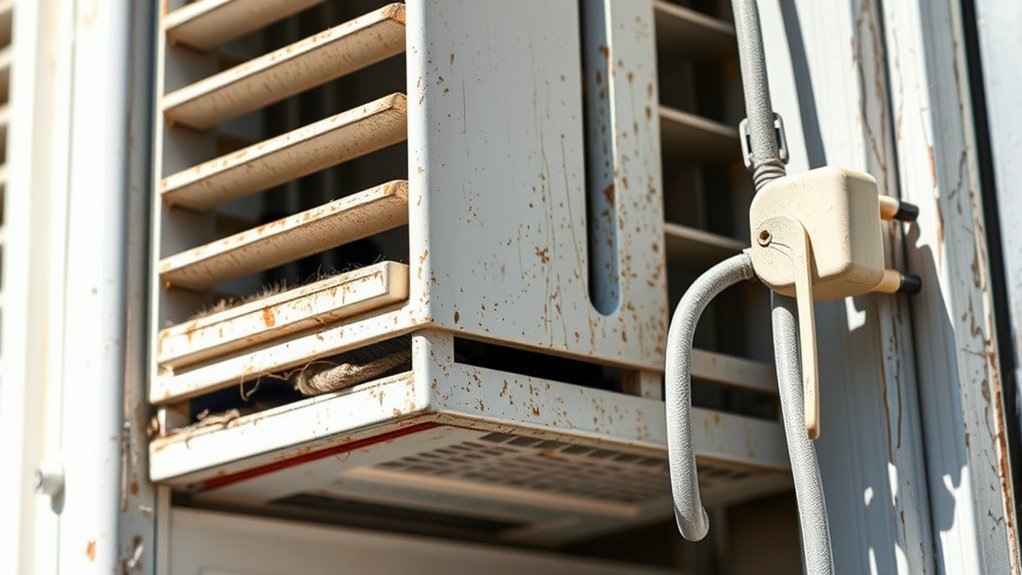
Noticing that your energy bills are going up even though you’re not using your AC any more than usual? That could be a sign your unit isn’t running as efficiently as it used to. It’s worth keeping an eye on those bills and maybe getting it checked out before it gets worse.
Also, if you start hearing strange noises or notice odd smells coming from your AC, don’t ignore them. These could be hints that your unit is nearing the end of its life. Being aware of these signs can help you decide whether it’s time to repair or replace your AC before it completely gives out.
Increasing Energy Bills
As your energy bills steadily climb, it’s a clear sign that your window AC unit may be nearing the end of its lifespan. Older units often work harder to cool your space, using more electricity and raising costs.
If you’ve recently focused on energy conservation and insulation improvement but still see a spike in bills, your unit might be losing efficiency. Over time, parts wear out, and the system becomes less effective.
This forces your AC to run longer, which not only increases your bills but also signals that your unit could be nearing failure. Regular maintenance and upgrades can help, but if bills keep climbing despite these efforts, it might be time to consider replacing your window unit for better energy savings.
Unusual Noises or Odors
When your window AC starts making strange noises or emitting odd odors, it’s often a sign that your unit is nearing the end of its lifespan.
Unusual odors, like a burning smell or mustiness, could indicate electrical issues or mold buildup inside the unit.
Strange noises, such as grinding, rattling, or squealing, might signal loose parts, worn-out components, or a failing fan motor.
Ignoring these signs can lead to further damage or a complete breakdown.
If you notice persistent strange noises or odors, it’s a good idea to have a professional inspect your AC.
Addressing these issues early can sometimes extend its life, but ongoing problems often mean it’s time to consider replacement.
How Long Do Different Types of Window AC Units Last?
Different types of window AC units don’t all last the same amount of time. Their lifespan really depends on how they’re built and designed. Some units might last quite a few years, while others may need replacing sooner.
Of course, how you use and care for your AC also makes a big difference. Regular maintenance, like cleaning filters and checking for issues, can help your unit stay in good shape longer. The materials used in the build also matter—higher-quality parts tend to stand up better over time.
Getting to know these differences can help you pick a window AC unit that not only fits your cooling needs but also lasts for years to come.
Durability of Various Models
The lifespan of window AC units varies quite a bit depending on their type and quality. Some models, especially higher-end ones, can last up to 15 years with proper maintenance, while budget options might only last 8 to 10 years.
When choosing a unit, think about how it looks. Sleek designs often blend better with your home decor and may be made with more durable materials.
Keep in mind that installation issues can affect how long it lasts. Poor installation can lead to more wear and tear. Units that are securely mounted and well-sealed tend to last longer.
Factors Affecting Longevity
Various factors influence how long your window AC unit will last, including its type and how well you care for it. Energy efficiency plays a big role; models with higher efficiency tend to run more smoothly and experience less strain, helping them last longer. Proper maintenance, like regularly cleaning filters and coils, also boosts its lifespan.
Noise reduction features not only make your unit quieter but often indicate better internal components that last longer. Poor installation or neglecting repairs can speed up wear and tear, shortening its life. The quality of the unit also matters—well-made units generally last longer than cheaper alternatives.
In the end, staying on top of maintenance and choosing an energy-efficient, noise-reducing model can help maximize your window AC’s lifespan.
Tips to Maximize Your Window AC’s Lifespan
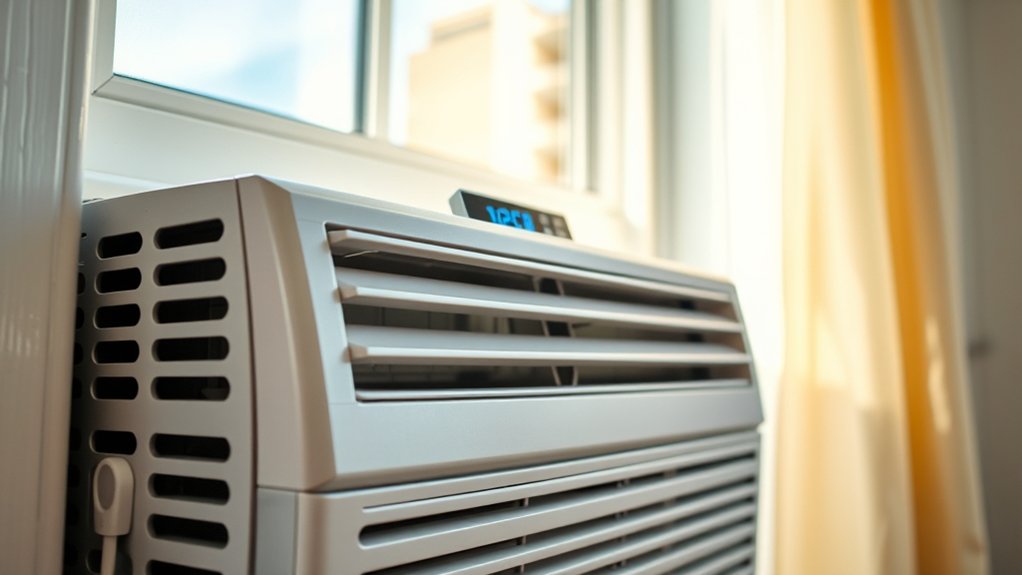
To extend your window AC’s lifespan, regular maintenance is key. Start by cleaning or replacing filters every month during peak use. This keeps indoor air fresh and helps the unit run more efficiently, reducing strain.
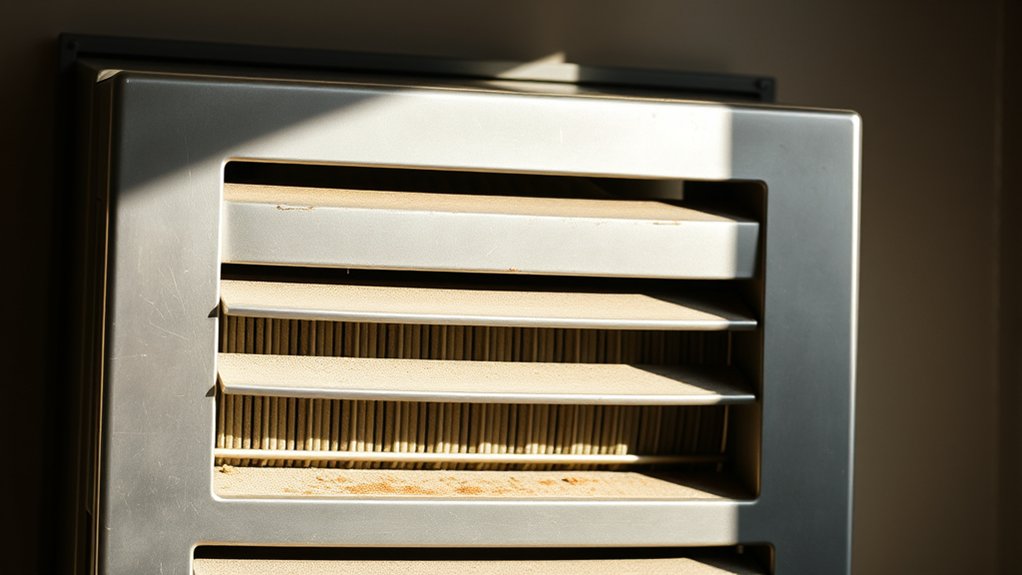
Check for dust buildup around vents and coils; cleaning these helps maintain good airflow. Make sure the unit is properly sealed in the window to prevent air leaks, which can cause it to work harder and wear out faster.
Keep the area around the AC clean and free of debris to avoid obstruction and overheating. Using a programmable thermostat can help regulate temperature and cut down on unnecessary operation, saving energy and prolonging the unit’s life.
Lastly, schedule annual professional inspections. They can catch small issues early before they turn into major problems. Following these tips will help your window AC run smoothly, improve indoor air quality, and maximize its energy efficiency for years to come.
How Proper Maintenance Can Extend Your AC’s Life
Keeping an eye on your filters and swapping them out or giving them a good clean keeps your AC running smoothly. It’s a simple step that can make a big difference in how well your unit performs.
Also, don’t forget to clear away any leaves, dirt, or debris around the outside unit. This helps prevent blockages and overheating, which can really mess with your AC’s efficiency.
And if you want to keep everything in tip-top shape, scheduling a professional service now and then is a smart move. They can spot any potential problems early on, so your AC stays reliable and lasts longer.
Regular Filter Checks
Performing regular filter checks is one of the simplest ways to keep your window AC unit running smoothly and extend its lifespan. Regular filter maintenance prevents dust, dirt, and debris from clogging the system, which can reduce airflow and strain the unit.
When filters are clean, airflow optimization occurs, allowing your AC to operate efficiently and cool effectively. Check your filters monthly during peak use, and replace or clean them as needed.
A clean filter not only improves performance but also reduces energy consumption and minimizes wear on internal components. Neglecting filter maintenance can lead to overheating and early breakdowns.
Clear Debris Regularly
Keeping your AC unit free of debris is essential for its longevity. Debris buildup can block airflow, which lowers indoor air quality and makes it work harder, wasting energy. Regularly cleaning the vents, filters, and surrounding area prevents dust, leaves, and dirt from clogging the system.
Here’s a visual to help you understand common debris sources:
| Debris Type | Location | Impact on AC |
|---|---|---|
| Leaves & Twigs | Outside around unit | Block airflow and cause overheating |
| Dust & Dirt | Vents & filters | Reduce indoor air quality |
| Grass Clippings | Nearby blades | Clog filters and lower efficiency |
Consistent removal of debris keeps your window AC running smoothly, saving energy and extending its lifespan.
Schedule Professional Servicing
Scheduling professional servicing for your window AC unit helps keep it in top shape and running efficiently. Regular tune-ups can boost energy efficiency, saving you money on your electric bill. They also help reduce noise levels by making sure parts run smoothly.
During a service, a technician will clean or replace filters to improve airflow, check refrigerant levels for optimal cooling, inspect and tighten electrical connections, and lubricate moving parts to minimize noise and wear. These steps help prevent breakdowns, extend your AC’s lifespan, and keep it running quietly.
Professional maintenance also catches small issues early before they turn into costly repairs. By scheduling regular service, you ensure your unit stays energy-efficient and quiet, maximizing its lifespan and your comfort.
When Should You Repair or Replace Your Window AC?
Deciding whether to repair or replace your window AC depends on a few key factors. If your unit keeps breaking down, struggles to cool your space, or becomes noisy, it might be time for a replacement.
Older models often aren’t energy-efficient, which can lead to higher electricity bills. Plus, they may not do a good job of reducing noise anymore.
Check out this comparison:
| Factor | Repair | Replace |
|---|---|---|
| Energy efficiency | Costly repairs, limited gains | New units save on energy bills |
| Noise reduction | Repair might not improve noise | New units are quieter |
| Cost | Cheaper short term | Long-term savings with efficiency |
| Longevity | Shorter lifespan | Lasts longer with newer tech |
If repairs cost nearly as much as a new unit or your AC is over 10 years old, replacing it usually makes more sense.
Choosing a Durable Window AC Unit That Lasts Years
Choosing a durable window AC unit is essential if you want it to last for years without frequent repairs or replacement. To guarantee longevity, focus on units that excel in energy efficiency and noise reduction. Here are four key features to take into account:
- High Energy Efficiency Ratings: Look for units with ENERGY STAR certification. They save you money on electricity and tend to operate more reliably.
- Quality Construction: Choose models made with sturdy materials and well-designed components to handle daily wear and tear.
- Quiet Operation: Opt for units with noise reduction technology, so they’re less disruptive and more comfortable in your space.
- Easy Maintenance: Select models with accessible filters and components, which help keep the unit running smoothly over the years.
Focusing on these features will help ensure your window AC stays functional, energy-efficient, and quiet, providing lasting comfort for years to come.
Cost: Repair vs. Replace Your Window AC
When your window AC starts acting up, it’s important to decide whether repairing it or replacing it is more cost-effective. Repairing might seem cheaper at first, but think about the long-term energy costs.
Deciding whether to repair or replace your window AC depends on long-term energy savings and upfront costs.
Older units often use more power, which can increase your utility bills and reduce any savings from repairs. If fixing the AC is expensive and doesn’t significantly boost performance, replacing it could be a smarter choice.
Newer models tend to be more energy-efficient, helping you save on cooling costs over time. While a new unit costs more upfront, the savings on energy bills and fewer repairs can outweigh that initial expense.
Plus, newer ACs are usually more reliable and quieter, adding to your comfort. In the end, comparing repair costs with the potential savings from a new, efficient unit will help you make the best financial decision.
It’s all about balancing immediate expenses with ongoing savings and comfort.
Final Tips to Keep Your Window AC Running Longer
Proper maintenance can extend the life of your window AC and keep it running efficiently for years. To get the most out of it and improve indoor air quality, here are some tips:
- Regularly clean or replace filters to keep the air fresh and ensure good airflow. It’s a simple step that makes a big difference.
- Keep the coils clean to boost energy efficiency and prevent the unit from overheating. A quick check every now and then helps it run smoothly.
- Check the seals and caulking around your window. Fixing any leaks helps your AC work better and saves energy.
- Schedule annual professional inspections. They can spot potential issues early and keep your AC performing at its best.
Frequently Asked Questions
How Often Should I Schedule Professional Maintenance for My Window AC?
You should schedule professional maintenance for your window AC at least once a year, ideally before the peak cooling season. Regular service boosts energy efficiency, helping your unit run smoothly and saving you money on energy bills.
It also helps catch potential issues early, which can reduce repair costs down the line. By keeping up with maintenance, you ensure your AC performs at its best, lasts longer, and keeps your home comfortable.
Plus, staying on top of service can be a cost-effective way to avoid bigger problems later on.
What Are the Most Common Causes of Window AC Failure?
You might think refrigerant leaks or compressor issues are rare, but they’re actually common causes of window AC failure.
Refrigerant leaks reduce cooling efficiency, making your unit less effective when you need it most.
Compressor problems can hinder the unit’s ability to circulate refrigerant properly. Both issues can lead to overheating, increased energy use, and eventual breakdown.
Regular maintenance helps catch these problems early, keeping your AC running smoothly and lasting longer.
That way, you save money on repairs or replacements in the long run.
Can Using a Cover Extend My Window Ac’s Lifespan?
Using a cover can help extend your window AC’s lifespan by protecting it from weather elements, dirt, and debris.
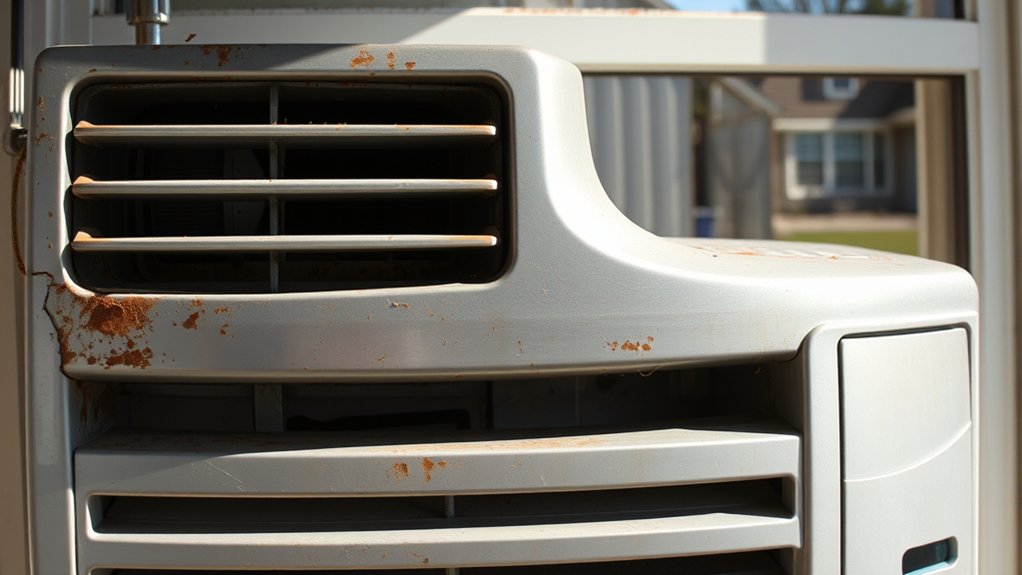
Choose a cover made of durable material to ensure good cover durability. When used properly, a cover reduces wear and tear, preventing corrosion and damage from moisture.
This, in turn, helps extend the lifespan, keeping your unit in better condition for longer and saving you money on repairs or replacements.
How Does Frequent Usage Impact My Window Ac’s Durability?
Frequent usage can wear out your window AC faster, impacting its durability. When you run it constantly, the compressor and other parts work harder, which can decrease energy efficiency and increase noise levels over time.
To help your unit last longer, give it regular breaks, keep filters clean, and maintain proper airflow. These simple steps help your AC run smoothly, save energy, and keep noise levels down.
In the end, taking care of your AC can really extend its lifespan and keep it working well for years to come.
Are There Specific Brands Known for Longer-Lasting Window AC Units?
You’ll find that brands like LG, Frigidaire, and Panasonic are known for longer-lasting window AC units. Their strong brand reputation and reliable warranty coverage give you peace of mind, ensuring quality and support if issues arise.
When choosing a unit, look for those with good reviews and solid warranty policies. These factors can really indicate durability and help you avoid future problems.
Proper maintenance also extends your AC’s lifespan, regardless of the brand. So, taking good care of your unit is always a smart move.
Conclusion
So, in the grand saga of your window AC’s life, remember—treat it like a fragile crystal vase, not a rugged workhorse. Keep it clean, give it breaks, and don’t ignore the signs of aging.
Otherwise, you might find yourself in a sweltering showdown, begging for a new unit while sweat drips down your brow. Stay vigilant, and your AC can chill with you for years.
But if you neglect it, your window AC unit’s lifespan could be cut short. Proper maintenance and timely repairs are key to making it last. With good care, a window AC can serve you well for 10 years or more.
So, take care of your window AC unit, and it’ll keep you cool longer. After all, a well-maintained unit is worth more than just a fancy, noisy paperweight.