7 Reasons Window Units Are Cheaper Than AC Systems
Are you tired of high cooling costs or complicated installation processes? Many people struggle with finding affordable and efficient ways to keep their spaces comfortable. Luckily, window units offer a simple, budget-friendly solution.
Window units are cheaper than central AC systems because they have lower purchase prices, thanks to simple designs and quick installation. They cost less to install and maintain, with no ductwork or extensive repairs needed.
Plus, they use less energy for small spaces, saving you money on bills.
Their compact size fits into tight spots, making them a budget-friendly choice for temporary or small-area cooling. Keep exploring to uncover more ways these units save you money.
Key Takeaways
- Window units cost less upfront because they have simpler designs and manufacturing processes.
- They don’t need complicated installation, so you avoid extra expenses for ductwork or structural changes.
- Maintenance is cheaper since they have fewer parts and are easier to repair.
- Their smaller cooling capacity makes them more energy-efficient and perfect for small spaces.
- Plus, they’re portable, so you can move them around easily without needing multiple systems.
How Window Units Save You Money Compared to Central Air
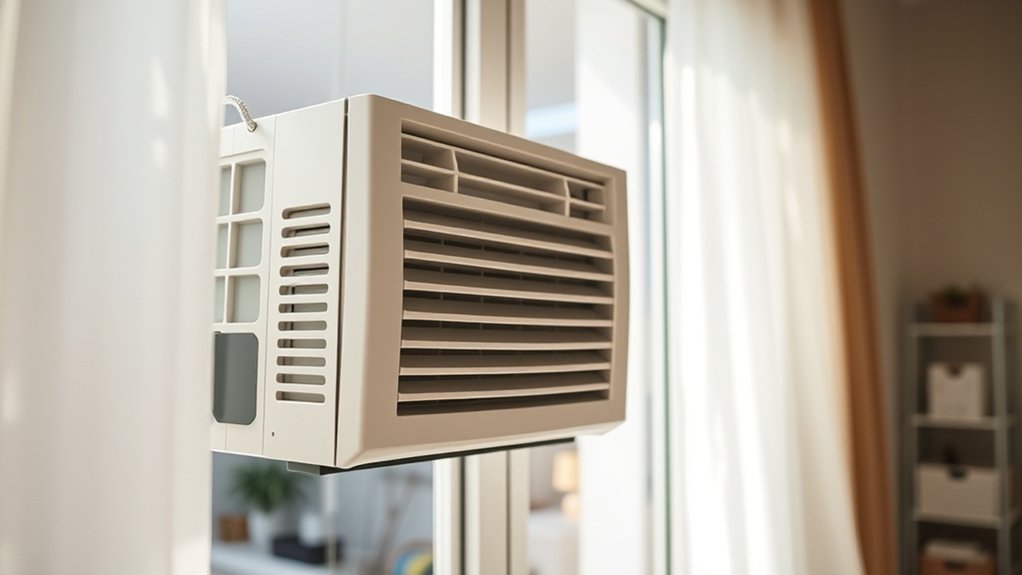
Have you ever wondered why window units are often more budget-friendly than central air systems? The main reason is their energy efficiency. Window units usually use less power because they cool only a specific room or area.
This targeted cooling means you’re not wasting energy on empty spaces, which saves you money on your electricity bill. Plus, window units are great for climate adaptability, letting you cool only the rooms you need without adjusting the whole house.
If you’re living in a smaller apartment or just want to cool a single room, a window unit is an affordable, efficient choice. With easy installation and lower upfront costs, they’re perfect for cutting expenses while staying comfortable.
Why Are Window Air Conditioners Cheaper to Buy?
One of the main reasons window air conditioners are more affordable upfront is their simpler design and construction. Unlike central systems, they don’t need extensive ductwork or complex parts, which keeps manufacturing costs low. This makes them cheaper when you’re comparing prices.
Plus, window units come in many brands, giving you more options for different budgets. The variety means you can find a basic model that fits your needs without overspending.
Here’s why they’re cheaper to buy:
- Lower manufacturing costs due to simple design
- Less installation complexity reducing retail markup
- More brand options boosting competition and affordability
All these things come together to make window air conditioners a budget-friendly way to cool your space without missing out on basic features.
Installation Costs: Window Units vs. Central Systems
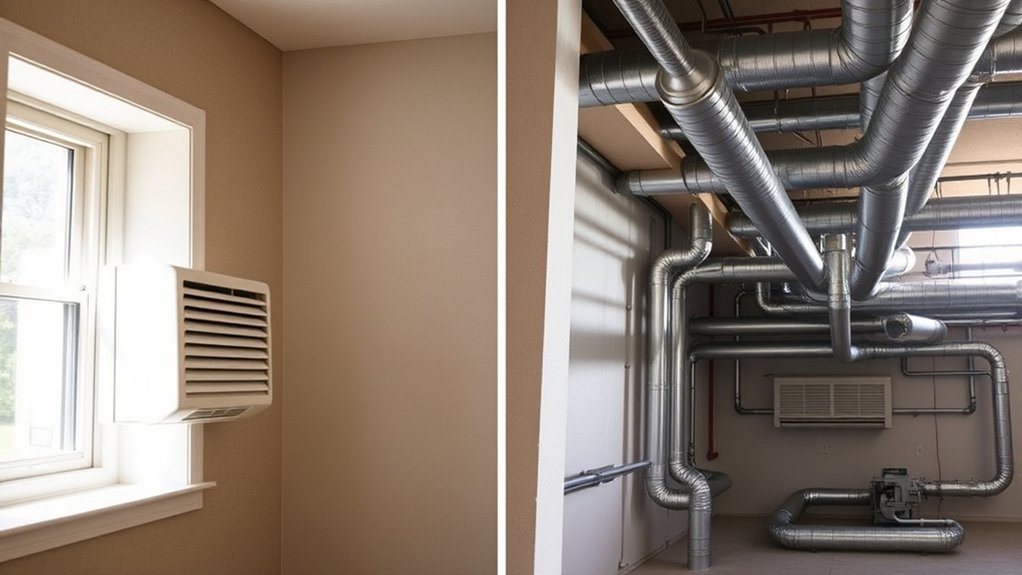
Installing a window unit is generally much simpler and quicker than setting up a central air system. With minimal tools and basic skills, you can usually install a window unit in under an hour. This makes it easy to do yourself and saves you money upfront on professional labor.
Central systems, on the other hand, need ductwork, electrical wiring, and sometimes structural changes, which can really drive up the cost. Plus, installing a central system is more involved and usually requires a professional.
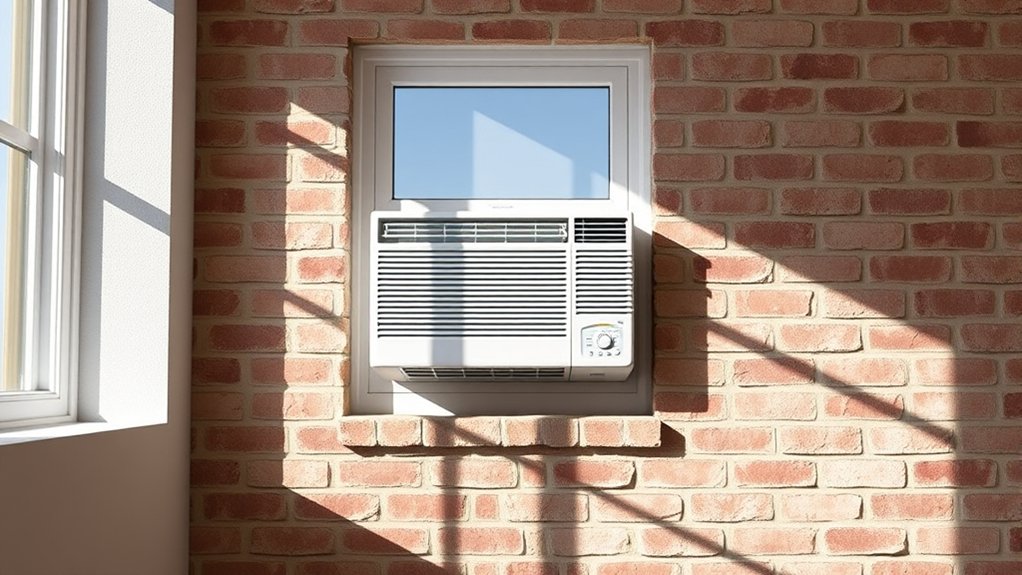
Window units don’t need extensive setup, making them perfect for temporary or rental spaces. They’re compact, fit into existing window frames, and don’t alter your home’s overall look.
In contrast, central systems involve more invasive installation that can impact your home’s appearance. Overall, the simplicity and minimal disruption of installing a window unit make it a more affordable choice upfront.
Maintenance and Operating Expenses for Window Units
Window units are generally cheaper to keep in good shape because they don’t have as many complicated parts, and they don’t need as much regular servicing. Plus, they tend to use less energy, which can really help lower your monthly utility bills. Overall, when you consider both maintenance and energy costs, window units are usually an affordable option for many households.
Lower Maintenance Costs
Are you worried about ongoing maintenance costs? Window units usually have lower expenses because they’re easier to care for. They don’t need frequent professional checkups or costly repairs, which saves you money over time.
Since they’re smaller and simpler, they help keep air quality high without extra filters or systems. Noise levels are typically lower too, which means fewer repairs caused by vibrations or wear.
To keep your unit running smoothly, focus on regularly cleaning filters and vents. Make sure it’s installed properly to prevent damage. And address minor issues early to avoid costly repairs.
These simple steps help your window unit stay efficient and last longer, making it a cost-effective choice with lower ongoing costs.
Reduced Energy Expenses
Because they’re smaller and easier to operate, window units usually use less energy than central air systems. This means your energy bills tend to be lower each month.
When you compare costs, window units often come out ahead because they have lower operational expenses. They don’t need complex ductwork or big compressors, so they use less power to cool a single room or small space.
As a result, you end up spending less on electricity over time. Plus, since it’s simple to turn them on and off, you can better control your energy use.
Are Window Air Conditioners More Energy-Efficient?
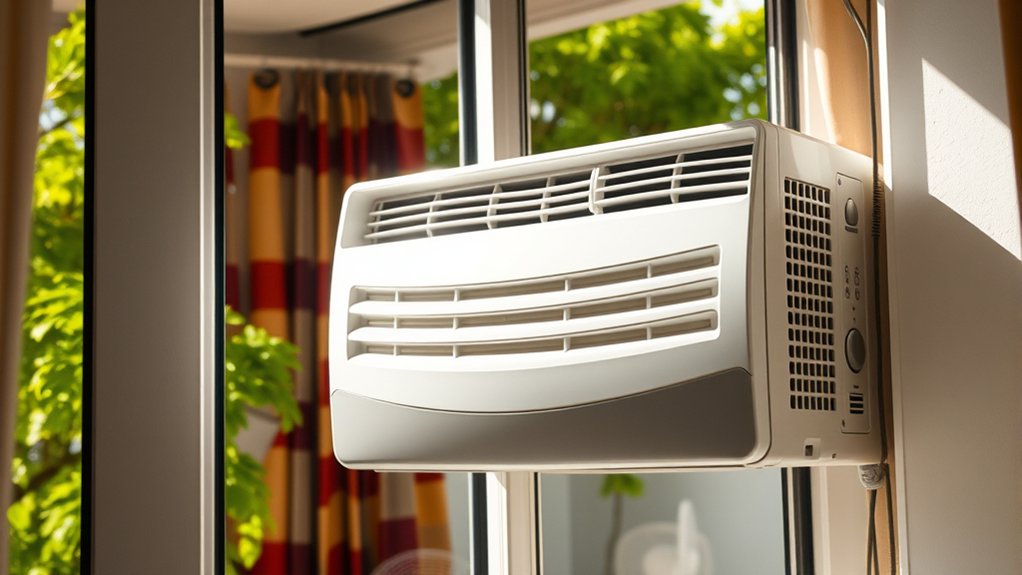
When comparing energy efficiency, many wonder whether window air conditioners outshine central systems. While window units usually use less energy for small spaces, their cooling power can be limited, especially in larger rooms. Sound insulation also matters—window units tend to be noisier, which might affect how efficient they seem.
To understand their efficiency better, think about:
- Cooling capacity: Smaller units work well for limited areas but may not cool bigger rooms effectively.
- Sound insulation: Cheaper parts can make units louder, which impacts comfort.
- Targeted cooling: Window units focus on specific rooms, reducing unnecessary energy use compared to whole-house systems.
In the end, if you need quick, localized cooling, window units can be energy-efficient options. But for larger spaces or constant use, central systems might be more efficient overall, even if they cost more upfront.
How Space Requirements Keep Window Units Budget-Friendly
Have you ever thought about how the size of a space affects the cost of window units? Because they’re built with a compact design, window units easily fit into small areas without needing extra room for installation or operation.
This space-saving feature means you don’t have to change your room or add extra infrastructure, unlike central air systems that often need ductwork and bigger vents. Their smaller size also makes them easier to install, saving you money on professional setup.
Plus, their compact design lets you cool specific rooms instead of the whole house. This targeted cooling helps save energy and means you don’t need larger, more expensive units. Overall, the space efficiency of window units keeps your initial costs lower and makes installation simpler, making them a budget-friendly option for smaller spaces.
Long-Term Savings With Window Air Conditioners
You’ll find that window air conditioners can save you quite a bit of money in the long run because they tend to have lower operating costs. Plus, their straightforward design means installation is usually simpler and cheaper than setting up a central system. Over time, all these savings really add up, making window units a smart and budget-friendly choice.
Lower Operational Costs
Window air conditioners typically cost less to operate over time, making them a more economical choice for budget-conscious homeowners. Their lower energy consumption means you’ll spend less on electricity bills each month.
Furthermore, window units often have quieter noise levels compared to larger systems, reducing disturbances in your home. This means you can enjoy a cool space without the constant hum of a central AC.
To maximize savings, consider these factors:
- Efficient energy use reduces monthly costs
- Lower noise levels improve comfort and peace
- Smaller size means less power needed to cool a room
Reduced Installation Expenses
Wondering how much you can save on installation costs? The cost comparison between window units and central AC systems shows significant savings upfront.
With a simpler installation process, you avoid the need for extensive ductwork, electrical upgrades, or professional labor. You can usually install a window unit yourself in minutes, saving on costly contractor fees.
This lower installation expense means less money spent initially, making window units more affordable from the start. Plus, if you move or want to switch units, the process stays quick and inexpensive.
Frequently Asked Questions
Can Window Units Be Used in All Types of Buildings?
Window units work best in small, straightforward spaces, but they aren’t suitable for all building types. Building compatibility is limited, especially in large or complex structures, because window units can’t easily cool entire floors or multiple rooms.
Installation can get tricky in multi-story or modern buildings with limited window access or structural restrictions. For these environments, central air systems are more effective, even if they cost more upfront.
Do Window Units Require Professional Installation?
No, you don’t need a professional to install window units. They’re designed for easy setup, so you can usually do it yourself.
Just make sure to seal properly to improve energy efficiency and reduce noise. Proper installation keeps the unit stable and working well.
If you’re unsure, consulting a professional can help ensure peak performance. But most people find installing them straightforward enough to handle on their own.
Are There Size Limitations for Window Units?
Think of window units as snug-fitting shoes—they have size limitations. Generally, they’re designed for standard window sizes, so if your window is unusually large or small, installation can be tricky.
This impacts energy efficiency because an ill-fitting unit leaks air. Plus, larger units tend to produce higher noise levels, which can disturb your peace.
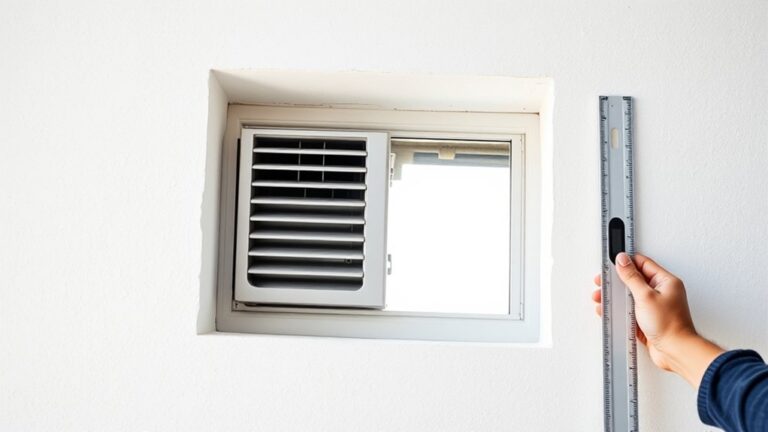
Always measure your window carefully to ensure the unit fits perfectly. That way, you get maximum efficiency and minimal noise.
How Long Do Window Air Conditioners Typically Last?
You can expect a window air conditioner to last about 8 to 12 years with proper maintenance. Its lifespan depends on factors like energy efficiency and noise levels. More energy-efficient units tend to last longer, while louder models might wear out quicker.
Regular cleaning and prompt repairs can help extend its life. Keep an eye on how it performs and how noisy it gets to make sure it runs smoothly for years to come.
Are There Any Safety Concerns With Window Units?
You might wonder if window units pose safety risks. Generally, electrical safety is a concern if the unit is damaged or improperly installed, which could lead to electrical hazards.
Noise levels can also be bothersome, especially if the unit is old or not well maintained.
To stay safe, make sure your window unit is installed correctly, serviced regularly, and kept away from water or electrical outlets.
Always follow the manufacturer’s instructions to avoid accidents.
Conclusion
In the end, choosing window units over central air can save you a lot of money and hassle. They’re easier to buy, install, and maintain, making them a popular choice for quick cooling.
Plus, window units are often more energy-efficient for smaller spaces, helping you cut down on electricity bills. Remember, “A penny saved is a penny earned,” so it’s worth weighing your options carefully.
If you want budget-friendly comfort without breaking the bank, window units might just be your best bet for cooling on a dime.