What Happens If You Leave Your Window AC Installed All Year?
Many homeowners worry about the hassle and cost of maintaining their window AC units, especially when it comes to deciding whether to keep them installed year-round. If you’re like most people, you’re not alone in wondering if leaving your window AC installed all year is a good idea or if it could cause more problems than it solves.
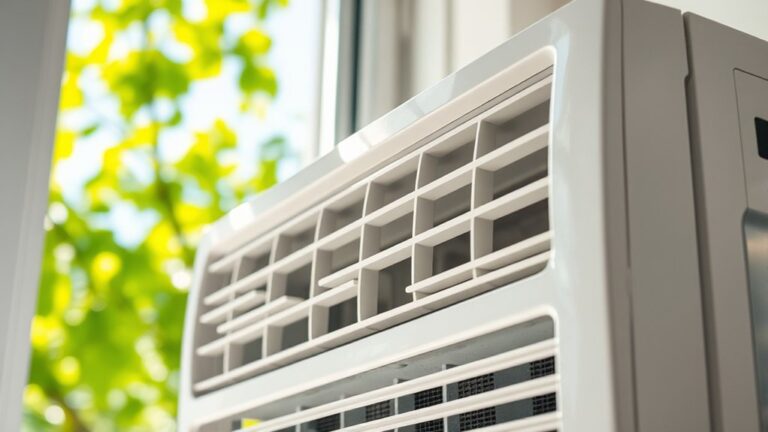
Leaving your window AC installed all year can cause damage from weather exposure, like rust, mold, and internal freezing, especially during winter. It may increase your energy costs and strain the unit’s components, leading to the need for repairs or early replacement.
Furthermore, moisture buildup can worsen indoor air quality and cause mold growth. To protect both your home and your wallet, it’s best to understand the full impact—more insights await if you continue.
Key Takeaways
- Leaving the AC installed all year can expose it to weather damage, rust, and mold growth, especially during cold or humid months. This can lead to costly repairs down the line.
- Running the unit constantly might boost your energy bills and put extra strain on the system, which can shorten its lifespan and make it less efficient over time.
- Moisture can build up inside the unit if it’s left unused for long periods, creating a perfect environment for mold. This can negatively impact indoor air quality and your health.
- Weather conditions like snow, ice, and strong winds can loosen or damage the unit if it’s not properly protected or maintained during the off-season.
- Regular maintenance and taking the unit out seasonally can prevent long-term damage, help it run more efficiently, and keep it in good shape for years to come.
Why Do Some Homeowners Keep Their Window AC Installed Year-Round?
Many homeowners choose to leave their window air conditioners installed year-round because it offers quick access to cool air whenever they need it. One reason is convenience—you won’t have to uninstall and reinstall the unit each season.
Some believe leaving the AC in place helps improve window insulation, reducing drafts and heat transfer. But you should consider noise pollution; a constantly running unit can generate consistent noise that might disturb your household.
If noise bothers you, leaving the AC in might not be ideal, especially if it’s an older model. However, some owners find that a properly maintained unit produces less noise over time.
How Does Weather Affect Your Window AC’s Performance?
Weather can really impact how your window AC performs. When the temperature outside changes, it can either make your unit work extra hard or help it run more smoothly. For example, hot days tend to make the AC work overtime to keep your room cool, while cooler weather can help it do its job more easily.
Humidity is another factor to watch out for. High humidity levels can actually make your AC less effective at cooling, and you might notice moisture building up inside the unit. It’s like the weather is throwing a little extra challenge your way!
Temperature Fluctuations Impact
Fluctuating temperatures throughout the year can significantly affect your window AC’s performance. When outdoor temperatures change a lot, your unit has a harder time keeping things comfortable.
In colder months, the AC may turn on and off more often, which can reduce efficiency and cause more wear and tear. Temperature swings can also mess with the unit’s sensors, making it harder to accurately measure indoor conditions.
Changing weather also affects airflow around the unit, which can lead to uneven cooling or put extra strain on the compressor. If it gets too cold outside, your AC might freeze up or break down.
During hot spells, the unit works harder, using more energy and risking overheating. To keep your AC running smoothly, it’s important to consider how seasonal temperature changes impact its performance.
Humidity Levels Influence Performance
Humidity levels can really affect how well your window AC works, especially in different seasons. High humidity makes it harder for your unit to cool the air because moisture adds to the load on the system. This can lead to higher energy bills and poorer air quality since excess moisture can promote mold and bacteria growth.
On the other hand, low humidity can make the air feel dry and cause discomfort. To keep your AC running smoothly, regular filter maintenance is key. A dirty filter can block airflow and make it harder for your unit to control humidity effectively.
Risks of Leaving Your Window AC During Cold Months
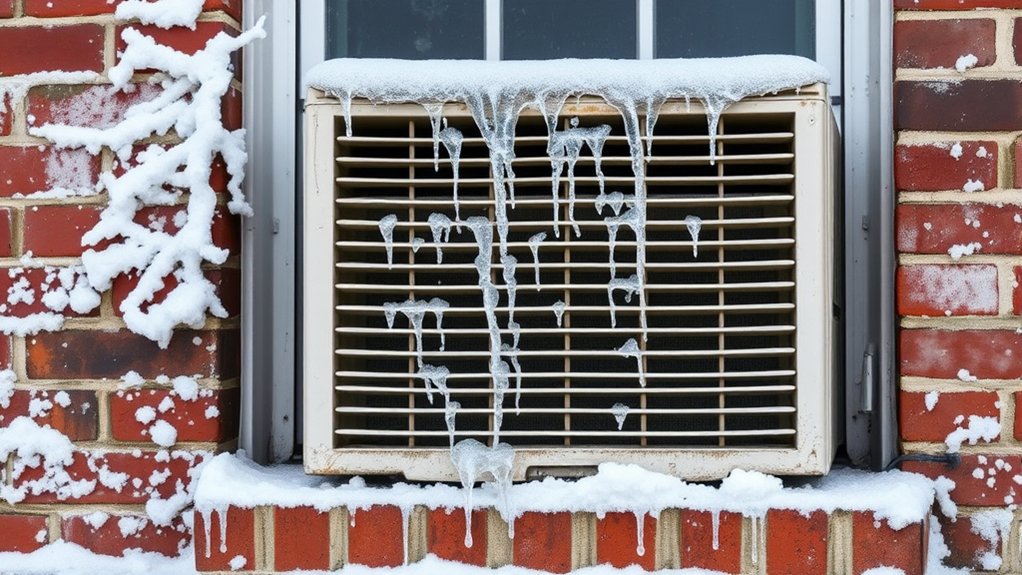
Leaving your window AC installed during cold months can cause a bunch of problems, especially if you forget to turn it off or take it out. One big issue is the noise—an operating unit can be quite loud and bother neighbors or distract you.
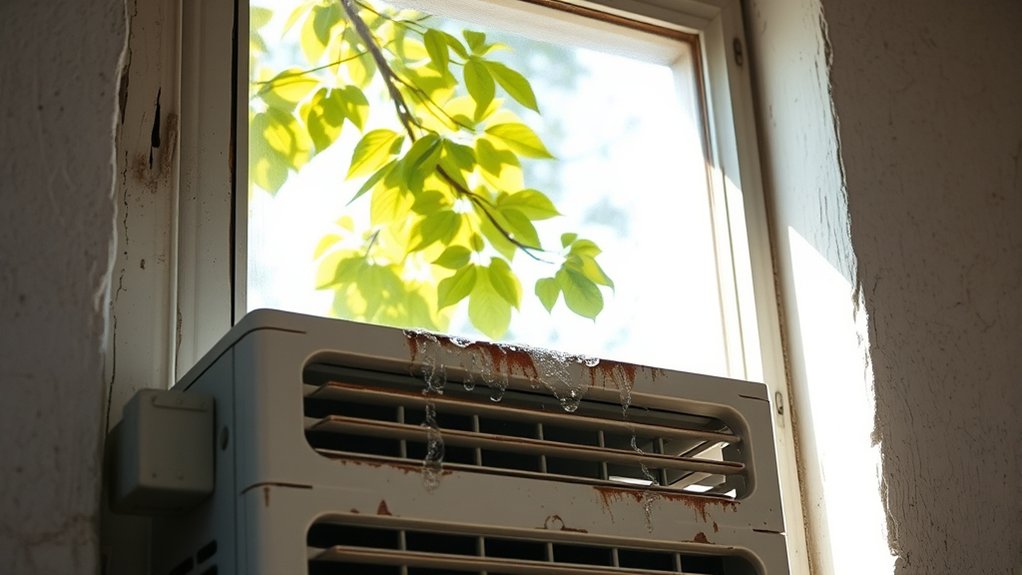
Plus, the exposed parts can attract moisture, which might lead to rust and mold inside the unit. This can cause bad odors and shorten the lifespan of your AC. It also doesn’t look great—an dusty or damaged unit outside can really spoil your home’s appearance.
If you leave it in place, cold weather can make the internal parts freeze or crack. That could damage the compressor or fan and lead to expensive repairs or even a full replacement down the line.
To keep things simple and protect your investment, it’s best to turn off, clean, and store or cover your window AC during the colder months.
Can Continuous Installation Damage Your Window AC?
Keeping your window AC installed year-round might seem convenient, but it can actually cause damage over time. Continuous installation can lead to electrical hazards, especially if the unit isn’t properly maintained.
Over time, moisture buildup and dirt accumulation can cause wiring issues or short circuits, increasing the risk of electrical fires or shocks. Structural damage is another concern; the constant exposure to changing weather can weaken the window frame or supporting structures, possibly causing cracks or warping.
If the unit isn’t securely mounted, vibrations and wind can loosen it, leading to accidents or damage to your window or wall. Leaving the AC in place without regular inspections can hide problems that worsen with time.
How Leaving Your Window AC Installed Impacts Energy Costs
Leaving your window AC installed all year round can actually cause your energy bills to go up. That’s because the unit might run more often than it really needs to, even when it’s not that hot outside. When it runs unnecessarily, it uses more electricity, which means higher utility costs for you.
Over time, those extra runs can really add up and make a noticeable dent in your household budget. So, if you’re looking to save some money, it’s a good idea to turn off the AC when you don’t need it and remove or cover it during the colder months.
Increased Energy Consumption
When a window AC unit stays installed year-round, it keeps drawing power even when you don’t need it. This can lead to higher energy use, especially if the unit isn’t energy-efficient.
Over time, running it constantly can make the unit less efficient, causing it to work harder and use more electricity. Keeping it on during off-seasons wastes energy when cooling isn’t necessary.
This extra power use can significantly boost your utility bills. Leaving the AC installed all year results in more energy consumption, even if you’re not cooling all the time.
Higher Utility Bills
Having your window AC installed year-round can lead to noticeably higher utility bills. When the unit runs constantly, it uses more energy, which reduces its overall efficiency.
Even if you think you’re saving by not removing it, leaving it on all the time increases your electricity costs significantly. Older or poorly maintained units tend to use more power, making the costs go up even more.
Noise levels can also be a problem because a constantly running AC can be disruptive. Over time, the extra energy you use adds up, making your bills less predictable and more expensive.
To keep costs in check, it’s best to turn off or remove your window AC when you don’t need it. This helps maintain peak energy efficiency and keeps your expenses from getting out of control.
Should You Cover or Seal Your Window AC in Winter?
Is it better to cover or seal your window AC during winter? It really depends on your climate and how often you use the unit. If you’re not planning to use it, covering it can protect it from snow, ice, and debris.
Sealing the unit can help prevent drafts and keep pests out. You might consider covering the AC with a breathable fabric cover to protect the exterior while letting moisture escape. Sealing the vents and gaps with weatherproof tape can also help maintain insulation and protect the cooling capacity.
Don’t forget to remove the remote control and store it somewhere safe and dry to prevent damage. If you leave your AC running during winter, sealing it helps keep it efficient. If not, covering it prevents weather-related damage.
Either way, protecting your unit helps ensure it stays in good shape for next season.
How Does Year-Round Use Affect Indoor Air Quality and Mold?
Leaving your window AC installed year-round means it’s constantly exposed to indoor moisture and temperature swings, which can affect your air quality and promote mold growth. As the unit runs intermittently or continuously, it can circulate indoor pollutants like dust, allergens, and mold spores, lowering air quality.
Moist environments created by humidity and condensation inside or around the AC create perfect conditions for mold to grow. If you don’t clean or maintain the unit regularly, mold can develop on coils, filters, or hidden spots, releasing spores into your indoor air.
This not only worsens air quality but can also trigger allergies or respiratory problems. Over time, mold buildup can damage the AC components, making the problem worse. To keep things healthy, keep the area dry, clean the unit often, and replace filters regularly.
Tips for Maintaining Your Window AC All Year
To keep your window AC running smoothly and efficiently all year, regular maintenance is a must. Personalizing your upkeep helps address your specific unit’s needs and prevents problems before they start. Seasonal upgrades also make sure your AC performs well in different weather conditions.
Here are three simple tips:
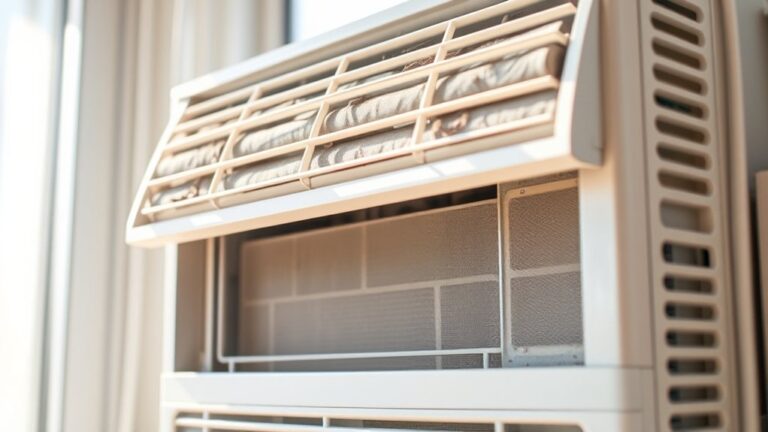
- Clean or replace filters each month to boost airflow and improve air quality.
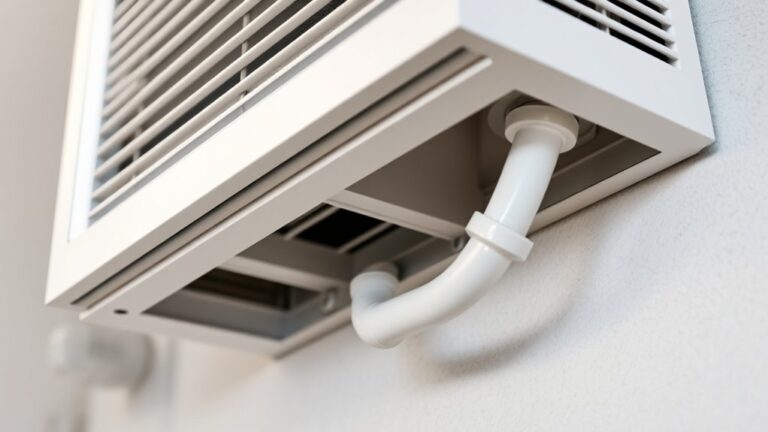
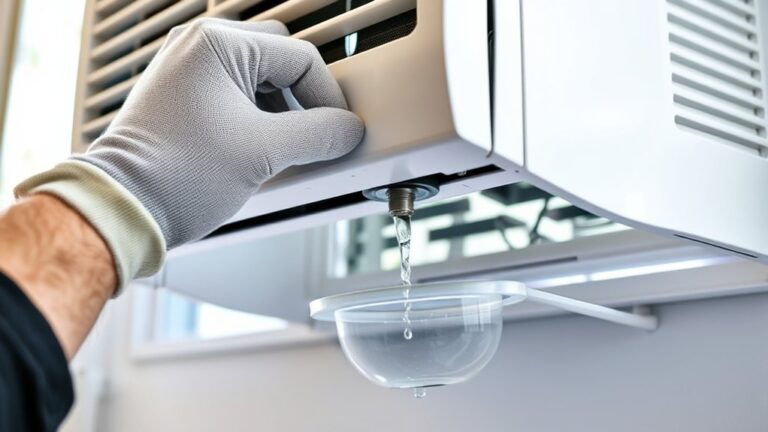
- Check and clear out the drain pan and condensate drain to stop mold growth and water damage.
- Plan seasonal upgrades like replacing worn parts or improving insulation to keep your unit in top shape year-round.
Is It More Cost-Effective to Remove Your Window AC in Off-Seasons?
Deciding whether to remove your window AC during the off-season can save you money and extend the unit’s lifespan. Removing it stops exposure to harsh weather, which can cause damage.
Removing your window AC in the off-season prevents weather damage and prolongs its lifespan.
It also gives you a chance to perform maintenance like cleaning filters and inspecting for wear. This can boost efficiency and help your unit last longer.
If you leave the unit installed, you might see higher energy costs from running the fan or compressor unnecessarily, especially if your home heats up or cools down a lot.
Installation concerns are another factor. Leaving the unit in place can cause drafts or leaks, which may increase your heating or cooling bills.
Removing your AC during off-seasons can be a cost-effective choice, especially if you store it properly. This way, you reduce wear and tear and lower energy expenses.
Plus, it makes maintenance easier. Overall, taking it out when not in use can save you money and headaches in the long run.
When Is It Better to Remove and Store Your Window AC?
Are there specific times when removing and storing your window AC makes more sense? Yes. If you notice seasonal changes or want to protect your decorative window coverings, removing the unit is a smart move. Also, if you live in an area with harsh winters, storing it helps prevent damage from snow and ice. Finally, when you’re planning to change your home’s look or upgrade window treatments, removing the AC keeps everything looking clean and fresh.
Here’s when to consider removal:
- Seasonal Changes: During winter or off-peak months, taking out the AC prevents exposure to weather and helps it last longer.
- Decorative Coverings: To keep your decorative window coverings in good shape, especially if the unit blocks or damages them.
- Aesthetic Preferences: If you’re updating your home’s style or want a cleaner window look, storing the AC is a good idea.
Removing your window AC at the right time keeps your home looking great and your unit in top condition.
Frequently Asked Questions
Will Leaving My Window AC in Increase My Home’s Energy Bills?
Yes, leaving your window AC in can increase your energy bills. It runs unnecessarily when you’re not home or when cooling isn’t needed, which boosts your energy costs.
Continuous operation also puts extra wear on the system, leading to higher maintenance expenses over time. To save money, it’s best to turn off the AC when you’re away or don’t need cooling.
Doing this reduces both energy use and your overall costs. It’s a simple way to keep your bills lower and your AC running smoothly.
How Does Weather Impact the Lifespan of a Window AC Unit?
Weather really impacts how long your window AC lasts. Ignoring the weather is like leaving your guard down. Humidity can cause mold and damage parts, while extreme temps put stress on the compressor, making it wear out faster.
Harsh conditions speed up the deterioration, so it’s smart to protect your unit during storms or cold snaps. Regular maintenance and covering it when you’re not using it helps keep it running smoothly for longer.
Is It Safe to Leave My Window AC Installed During Winter?
It’s generally safe to leave your window AC installed during winter if you do some seasonal maintenance.
However, it’s best to remove the unit from the window to prevent damage from weather and to ensure proper insulation.
Leaving it in place can decrease energy efficiency and increase the risk of damage from snow or ice buildup.
Can Leaving the AC in Cause Structural Damage to My Window?
Leaving your AC in year-round can cause window frame deterioration. Studies show that improper installation leads to 30% of window damage over time.
The weight and vibrations may loosen the frame, making it easier for pests to get in and risking the structural integrity of the window.
Plus, prolonged exposure to moisture from condensation can weaken the materials, causing cracks or warping.
To avoid these issues, consider removing or properly sealing your AC during the off-season.
Does Continuous Use Affect the Warranty of My Window Air Conditioner?
Continuous use can affect your window air conditioner’s warranty because many warranties have limits on how long the unit can run without a break.
Manufacturer policies might also require regular maintenance or rest periods to keep the warranty valid.
If you keep it running all year, you might risk voiding the warranty, especially if problems occur due to overuse or not maintaining it properly.
Always check your unit’s warranty terms to see what restrictions apply so you’re aware of any limitations.
Conclusion
Leaving your window AC installed year-round might seem convenient, but it could hide hidden risks and costs you haven’t considered. Will the convenience outweigh potential damage or increased energy bills?
As weather and seasons change, the true impact of continuous use becomes clearer. Your AC might work fine now, but over time, it could wear out faster or become less efficient.
Stay vigilant and weigh your options carefully. Sometimes, the best choice isn’t the easiest. Removing or turning off your AC when not needed could save you money and prevent damage.
What you decide now could shape your comfort and your wallet for years to come. Regular maintenance and mindful use will help you get the most from your window AC.