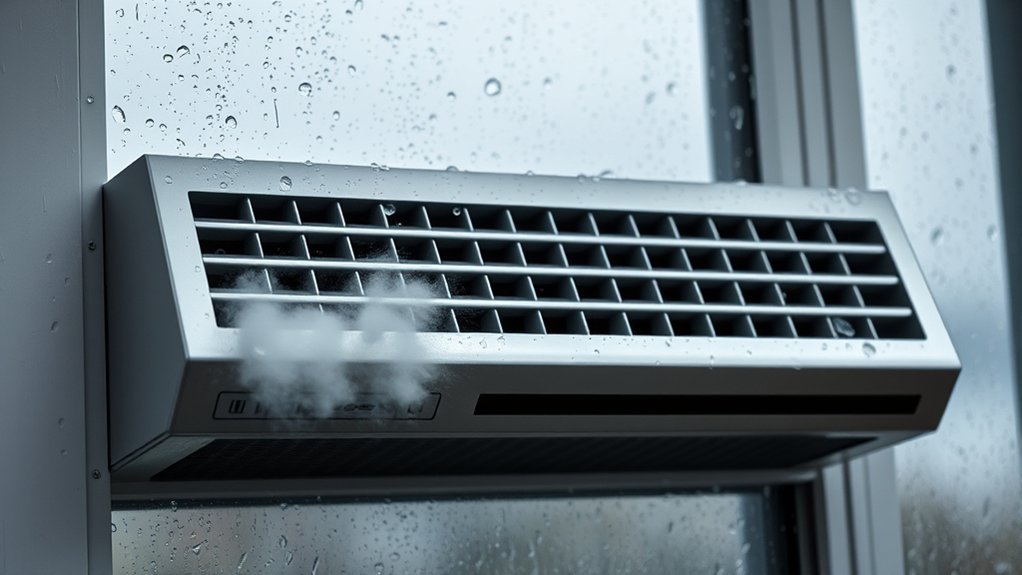
What Happens When You Run a Window AC During Rain?
Many people rely on their window AC units to stay cool, especially during unpredictable weather. But what happens when it starts raining? You’re not alone—many folks worry about running their AC during rain and whether it’s safe.
Running your window AC during rain isn’t necessarily dangerous if you take proper precautions, like ensuring it’s well-sealed and protected from water. Light or moderate rain usually won’t cause issues, but heavy rain can lead to water seeping in, damaging electrical parts and causing leaks or corrosion.
These problems can reduce efficiency and risk further damage. To learn more about how to keep your AC safe during rain, explore helpful tips and signs to watch for.
Key Takeaways
- Running a window AC during rain can be safe if the unit is well-sealed and protected from water getting inside.
- Rainwater can cause electrical short circuits or corrosion if it leaks into internal parts.
- Using proper weatherproof covers and drainage systems helps prevent water damage and keeps the unit running efficiently.
- Heavy rain or leaks might lead to structural damage, mold growth, or reduced cooling performance.
- Turning off the AC during storms is a good idea to lower electrical risks and help the unit last longer.
Should I Run My Window AC During Rain?
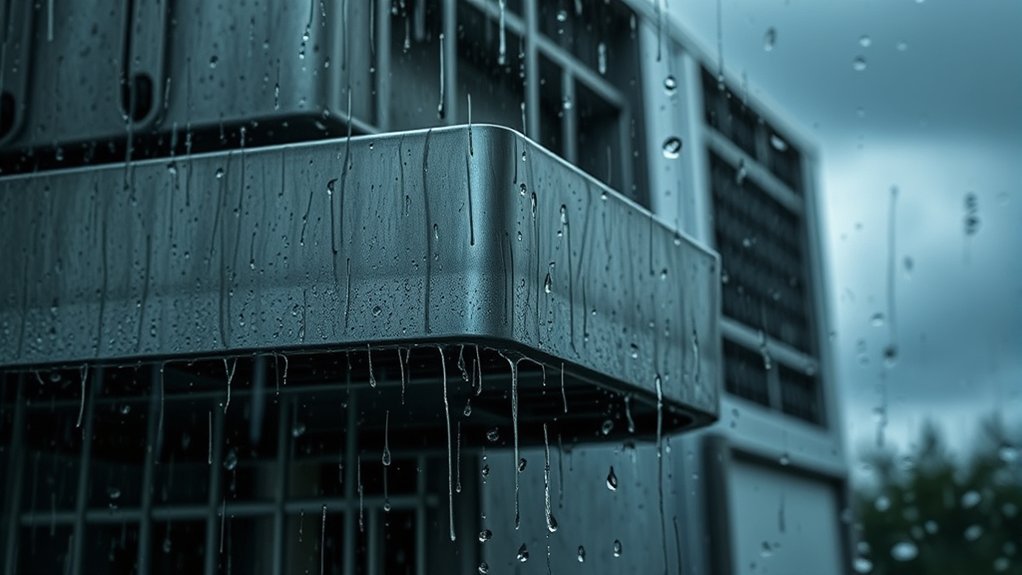
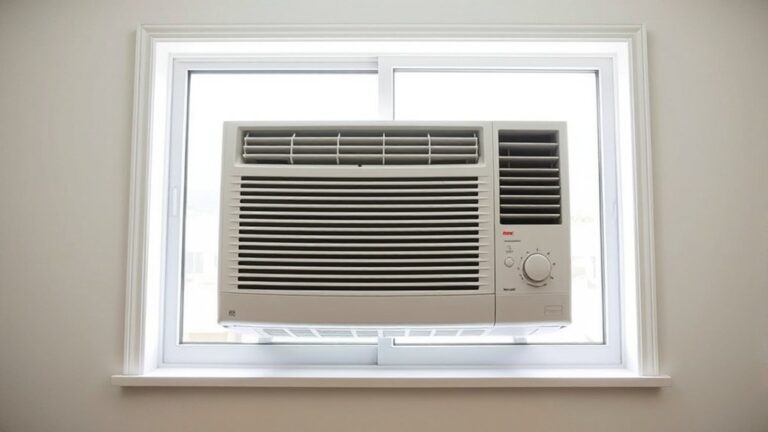
Running your window AC during rain isn’t necessarily dangerous, but it’s good to think about a few things first. If you want to stay comfortable inside, running the AC during rain can help keep your space cool, especially if it’s humid or hot outside.
Running your window AC during rain can keep your space cool and comfortable.
Plus, operating your AC during rain might actually save energy because cooler outdoor temperatures can make your unit work less hard to cool your home. Just make sure your unit is well-sealed and protected from water getting inside, which could cause damage or lower efficiency.
If the rain isn’t too heavy or accompanied by strong winds, running your AC should be safe and can help keep your indoors comfortable. But don’t forget that ignoring maintenance or possible leaks could cause problems later on.
In the end, with a few precautions, using your window AC during rain can be both effective and energy-efficient.
What Risks Does Rain Pose to Your Window Air Conditioner?
Rain can pose several risks to your window air conditioner, especially if it’s not protected properly. Water can seep into electrical parts or cause corrosion, which can damage your unit over time.
When rain hits the exposed parts of your AC, it might lead to short circuits or electrical failures, putting your system at risk. Without good window protection, water can sneak into gaps around the unit, increasing the chances of moisture buildup and rust.
Too much moisture can also affect the compressor and fan motors, reducing efficiency and shortening their lifespan. Even if your AC is built to handle some exposure, constant rain without proper shielding can speed up wear and tear.
To keep your unit safe, make sure your window protection includes a sturdy, waterproof barrier or awning. This simple step helps keep water away from the vulnerable parts and helps your AC stay in good shape longer.
How Rainwater Can Damage Your AC’s External Parts
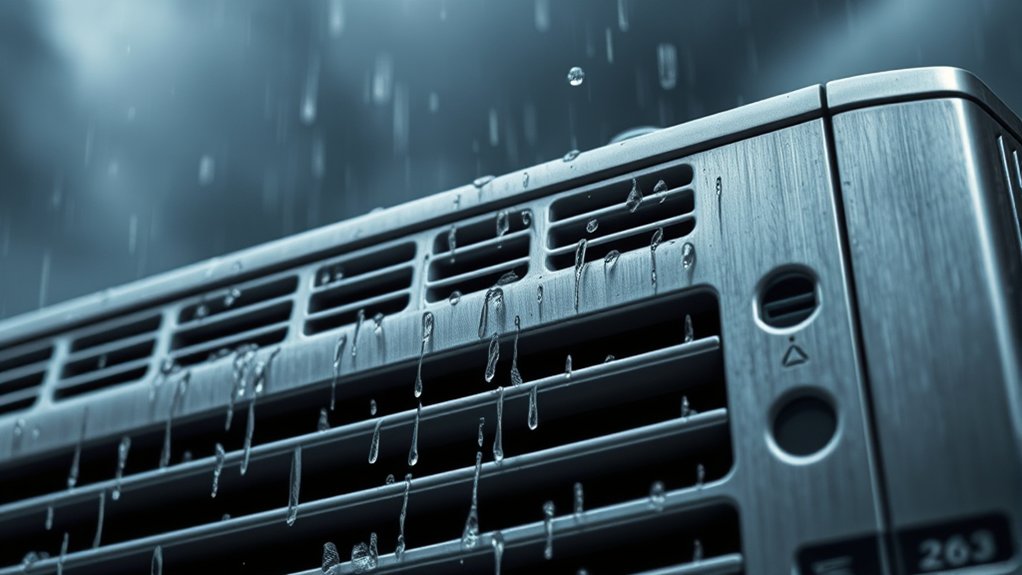
When rainwater hits your AC’s external parts, it can cause serious damage if you’re not careful. Water can corrode metal components, leading to rust and weakening the unit’s structure. This damage can make your indoor humidity rise because the AC struggles to cool properly.
Water getting inside can also cause electrical problems, risking short circuits or parts failing. Protecting your outdoor AC components from rain is key to keeping it running smoothly and avoiding costly repairs.
| External Part | Potential Damage |
|---|---|
| Compressor | Rust buildup, less efficient cooling |
| Fins and coils | Corrosion, dirt buildup |
| Fan motor | Water getting in, motor damage |
| Control panel | Short circuits, malfunction |
| Mounting brackets | Weakening, possible detachment |
As these parts get damaged, you might notice louder noises from loose components or broken motors. Your indoor humidity may also fluctuate unpredictably. Keeping rainwater away from your AC’s external parts is essential for maintaining its efficiency and longevity.
Can Heavy Rain Cause Water Leaks or Other Damage?
Heavy rain can definitely lead to roof leaks and water dripping inside your home, especially if your window AC isn’t sealed up tight. It’s one of those things that can catch you off guard if you’re not careful.
And it’s not just about leaks—water can also sneak into the walls or even the foundation, which can cause some serious structural damage over time. So, it’s a good idea to think about these potential problems before you turn on your AC during a storm. Being proactive can save you from some costly repairs down the line.
Potential for Roof Leaks
Ever wondered if a sudden downpour can cause your roof to leak? Heavy rain can put a lot of strain on your roof, especially if your gutters aren’t maintained properly.
Clogged or damaged gutters can lead to water backing up and seeping under shingles, which increases the risk of leaks. When rain hits your roof directly, weak spots or small cracks might let water in—especially if your roofing material is old or damaged.
Running a window AC during rain doesn’t directly cause roof leaks, but if your roof isn’t in good shape, leaks are more likely during storms. Keeping gutters clear and your roof in good condition helps prevent water from sneaking inside and causing costly damage.
Water Dripping Risks
Although rain itself doesn’t directly cause water leaks inside your home, heavy downpours can increase the risk if your roof or gutters are compromised. Running a window AC during rain can lead to dripping issues if waterproof insulation isn’t effective or if condensation isn’t managed properly.
Moisture from the rain can seep into gaps around the unit or through poorly sealed areas, causing water to drip inside. Over time, this excess moisture may damage walls, flooring, or electrical components.
To prevent this, make sure your window AC is well-sealed and the area has good waterproof insulation. Proper condensation management helps control moisture buildup, reducing the chances of dripping and internal damage during heavy rain.
Structural Damage Concerns
While rain itself doesn’t automatically cause water leaks inside your home, persistent heavy downpours can lead to structural damage if your roof or gutters are compromised. Water infiltration from leaks can weaken your roof’s integrity and promote mold growth, which affects indoor air quality.
When moisture seeps through, it can also damage walls, insulation, and electrical wiring, creating safety hazards. Running a window AC during rain might expose these vulnerable areas to extra moisture, making the problem worse.
Over time, this can reduce your home’s energy efficiency by allowing conditioned air to escape and moisture to build up. To prevent damage, make sure your roof and gutters are in good shape and sealed properly, protecting both your home’s structure and indoor air quality.
Does Rain Affect Your Window AC’s Cooling Performance?
When it rains, water can sometimes drip into your window AC. This might make it harder for the unit to do its job because it can mess with the heat exchange process. Basically, your air conditioner has to work a lot harder to keep your room cool, which isn’t great for its efficiency.
Plus, all that extra moisture isn’t just a problem for performance. It can also increase the chances of electrical issues inside the unit. So, while rain might seem harmless, it can actually impact how well your window AC works and even cause some trouble down the line.
Rainwater Dripping Into Unit
Rainwater can sometimes find its way into your window AC unit, especially if the installation isn’t perfectly sealed or if heavy rain causes water to splash around.
This rainwater intrusion can lead to water seeping inside the unit, which might damage internal components. When water drips into the AC, it can cause electrical issues or corrosion over time.
If you notice puddles or dampness near the unit, it’s a sign that rainwater is seeping in. Proper sealing and regular maintenance can help prevent water from entering and causing damage.
Keep an eye on the installation area, especially during storms, to make sure no water leaks into the unit. Addressing water seepage quickly can help avoid costly repairs and extend your AC’s lifespan.
Reduced Heat Exchange Efficiency
Rain can interfere with your window AC’s ability to exchange heat effectively, especially if water collects on or around the unit. When moisture builds up on the condenser or vents, it makes heat transfer harder, reducing cooling efficiency.
This means your AC has to work harder, using more energy and boosting your utility bills. As a result, indoor air quality can decline because the system struggles to keep the right temperature and air circulation.
Over time, reduced heat exchange efficiency can also cause the unit to wear out faster, leading to potential repairs. To keep your AC working well during rain, make sure it’s well-maintained and think about adding protective covers.
This helps maintain maximum cooling performance and keeps indoor air quality high.
Increased Risk of Electrical Issues
Moisture buildup around your window AC doesn’t just hurt its performance; it also raises the risk of electrical problems. Water can get inside and cause short circuits or corrode electrical parts. This is especially risky if your unit isn’t sealed or grounded properly.
Here’s a quick overview of the main risks:
| Risk | Cause | Solution |
|---|---|---|
| Short circuits | Moisture getting inside | Keep the unit dry and sealed |
| Corrosion | Exposure to rain | Regular maintenance and covering |
| Electrical failure | Water contacting wiring | Make sure it’s properly grounded |
Taking these precautions can help you avoid electrical issues when using your window AC during rain.
Should You Turn Off Your Window AC During a Storm?
Wondering whether you should turn off your window AC during a storm? It’s generally a good idea. Storms can cause power fluctuations that may impact your unit’s energy efficiency, making it work harder than necessary.
Running your AC during rain might increase noise levels, especially if wind and thunder cause vibrations or rattling. Turning it off can help reduce unnecessary strain on the compressor and avoid potential electrical issues caused by lightning or power surges.
Furthermore, shutting down your unit during a storm minimizes the risk of damage from moisture or water intrusion. While some storms are mild, unpredictable weather can lead to sudden power outages or surges, which aren’t worth risking your AC’s longevity or your comfort.
How to Protect Your Window AC From Rain Damage
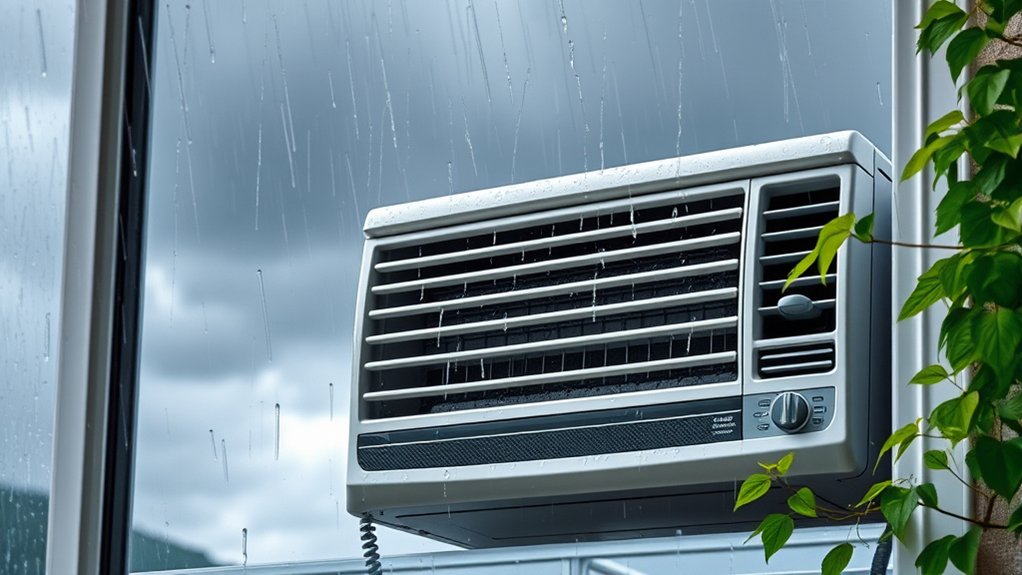
Worried about rain messing up your window AC? No worries! The first thing you wanna do is make sure your unit has proper drainage. This means setting up good drainage systems to steer the water away from your AC so it doesn’t sit there and cause trouble.
You might also want to consider using weatherproof covers. They’re pretty handy during storms—just pop them on to give your AC an extra layer of protection. And don’t forget about regular maintenance checks! Giving your unit a quick look now and then can really help keep it in tip-top shape.
Taking these simple steps can save you from costly repairs down the line and make sure your AC keeps running smoothly, rain or shine.
Install Proper Drainage Systems
Installing a proper drainage system is essential to protect your window AC from rain damage. Start by making sure your unit has a reliable drainage setup to direct rainwater away from the appliance.
When installing the drainage system, consider adding rainwater harvesting techniques to manage excess water efficiently. Properly positioned gutters and drain pipes help prevent water from pooling around the AC.
This reduces the risk of leaks and electrical issues. Make sure the drainage path slopes away from the unit, guiding water safely to a designated drainage area.
Regularly check and clear the drainage channels to avoid blockages. By installing an effective drainage system, you safeguard your window AC from rain damage, prolong its lifespan, and keep it running well even during heavy storms.
Use Weatherproof Covers
When storms threaten, covering your window AC with a weatherproof cover is one of the best ways to prevent rain from causing damage. These covers are designed to shield your unit from water getting in and are made from weather-resistant materials that can handle tough conditions.
They fit securely over your AC, blocking rain, snow, and debris, while still letting air flow through. Using a durable, weather-resistant cover helps lower the risk of water seeping into electrical parts or causing rust.
Make sure the cover fits snugly and is properly in place, especially during heavy storms. Regularly inspect it for tears or damage, and replace it if needed.
This simple step can extend your AC’s lifespan and keep it working well during rainy seasons.
Regular Maintenance Checks
Regular maintenance checks are essential for making sure your window AC stays protected from rain damage. Regularly inspect the unit for any signs of wear or damage, especially around the seals and filters.
Clean or replace filters to improve indoor air quality, which directly affects your health and comfort. Keeping the filters clean also boosts energy efficiency, reducing power consumption.
Check the drainage system to prevent water buildup that could seep inside during rain. Make sure the unit is securely mounted and that all weatherproof covers are intact.
Signs Your AC Was Damaged by Rain and What to Do Next
If your window AC has been exposed to heavy rain, you might notice signs that it’s been damaged. Water intrusion can hurt its performance, affecting indoor air quality and energy efficiency.
Heavy rain exposure can damage your window AC, reducing performance and harming indoor air quality.
Here are four key signs to look out for:
- Unusual noises or buzzing sounds can mean internal components are damaged.
- Persistent leaks or water drips suggest water has gotten inside the unit.
- Reduced cooling power means your AC isn’t cooling effectively anymore, which impacts your indoor air quality.
- Increased energy bills happen because the damaged unit has to work harder, lowering efficiency.
If you see any of these signs, it’s important to check your unit and consider calling a professional for repairs. Ignoring damage can lead to mold growth or electrical issues, making indoor air quality worse and raising your energy costs. Addressing these problems quickly helps keep your AC running smoothly and protects your home.
Tips for Maintaining Your Window AC After Rainy Weather
After heavy rain, taking quick steps to maintain your window AC can prevent further damage and keep it working efficiently. First, turn off the unit and unplug it to avoid electrical hazards.
Check for any visible moisture or water inside the unit or on the filters, and dry these areas thoroughly. Clean or replace the filters to improve indoor air quality since damp filters can harbor mold and bacteria.
Inspect the exterior for debris or blockages that might restrict airflow, which can affect energy efficiency. Confirm the drain pan and drainage holes are clear to prevent water buildup.
Keep the unit covered or protected from future rain, especially if it’s exposed to the elements. Regular maintenance after rain helps keep your indoor air quality good and your AC running smoothly.
This also saves energy and reduces potential repair costs over time.
When to Call a Technician for Rain-Related AC Repairs
Even with proper maintenance, heavy rain can sometimes cause hidden damage or malfunctions in your window AC. You should call a technician if you notice:
- Reduced Indoor Air Quality: If your home feels stuffy or musty, rain may have compromised the unit’s filters or drainage, affecting air quality.
- Persistent Leaks or Water Dripping: Continuous leaks indicate damage to seals or drainage systems, risking further damage or mold growth.
- Unusual Noises or Vibrations: Strange sounds during operation could mean internal components are affected by moisture or debris.
- Decline in Energy Efficiency: If your AC is working harder and using more power, rain-related damage might be hindering its performance.
Prompt repairs help maintain indoor air quality and energy efficiency. Don’t ignore signs of rain-related issues—they can worsen and lead to costly repairs or air quality problems.
Frequently Asked Questions
Can Running My Window AC During Rain Improve or Worsen Its Efficiency?
Running your window AC during rain can slightly improve energy efficiency because cooler, moist air helps the unit cool more effectively, reducing strain.
However, it can also worsen efficiency if rain causes water to leak into the unit or if humidity levels increase, making the AC work harder.
Follow maintenance tips like sealing leaks and cleaning filters to keep your AC running smoothly. Proper upkeep guarantees ideal performance during rainy weather.
Does Rainwater Affect the Indoor Air Quality When Using a Window AC?
Rainwater can affect indoor air quality when you’re using a window AC by causing condensation on the unit. This might lead to moisture buildup inside or around the air conditioner.
If the seal isn’t tight, outdoor air can sneak in, bringing pollutants or extra humidity. This can make indoor air quality worse, especially during heavy rain.
To avoid these issues, make sure your unit is properly sealed and maintained. Keeping everything in good shape helps reduce the risk of rainwater-related problems.
Are There Specific Types of Window AC Units More Resistant to Rain Damage?
You’ll find that rain-resistant models are more suitable for outdoor window AC units because of their better weatherproofing features. These units come with improved seals, sturdy casings, and protective covers that help keep water out.
While standard models might struggle with rain, choosing a weatherproofed or rain-resistant unit can keep your AC safe and working during storms. Always look for certifications or features that show the unit is designed to handle tough weather conditions before you install it.
How Can I Tell if Rain Has Caused Mold or Mildew Inside My AC?
You can tell if rain has caused mold or mildew inside your AC by looking for visible moisture buildup or a musty smell around the unit.
Check inside the vents and on the filter for any signs of mold, like black, green, or fuzzy spots.
If you see these signs, turn off the AC and clean the affected areas thoroughly.
It’s also a good idea to get a professional inspection to prevent more mold growth and keep your unit running safely.
Is It Safe to Operate My Window AC During Thunderstorms?
Running your window AC during thunderstorms might seem harmless, but it’s actually risky.
The irony is, outdoor exposure during storms can compromise electrical safety, especially with lightning strikes or power surges.
You should avoid operating your AC in such conditions to protect yourself and your device.
Thunderstorms pose a real threat to electrical safety, so it’s best to turn off your unit and wait until the weather clears.
Conclusion
Running your window AC during rain is like opening a floodgate—potentially inviting water damage and performance issues. To keep your cool during storms, protect your unit and watch for signs of trouble.
With a little care, you can weather the rain without your AC becoming a soggy mess. Remember, a well-maintained unit is your best armor against nature’s unpredictable moods. Think of it as your loyal shield in the storm.