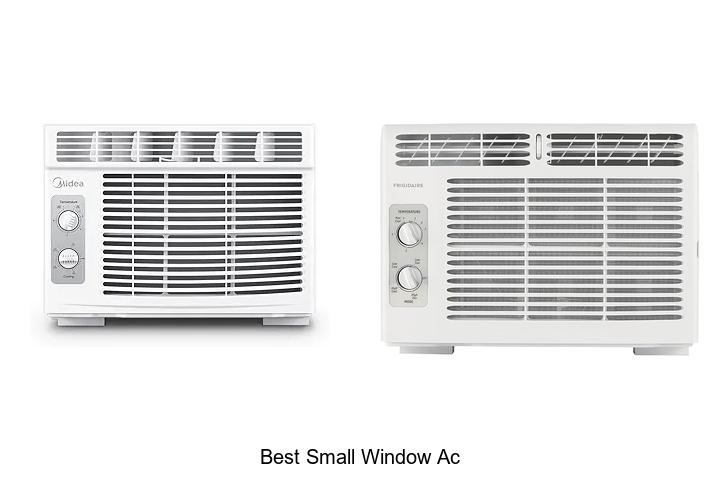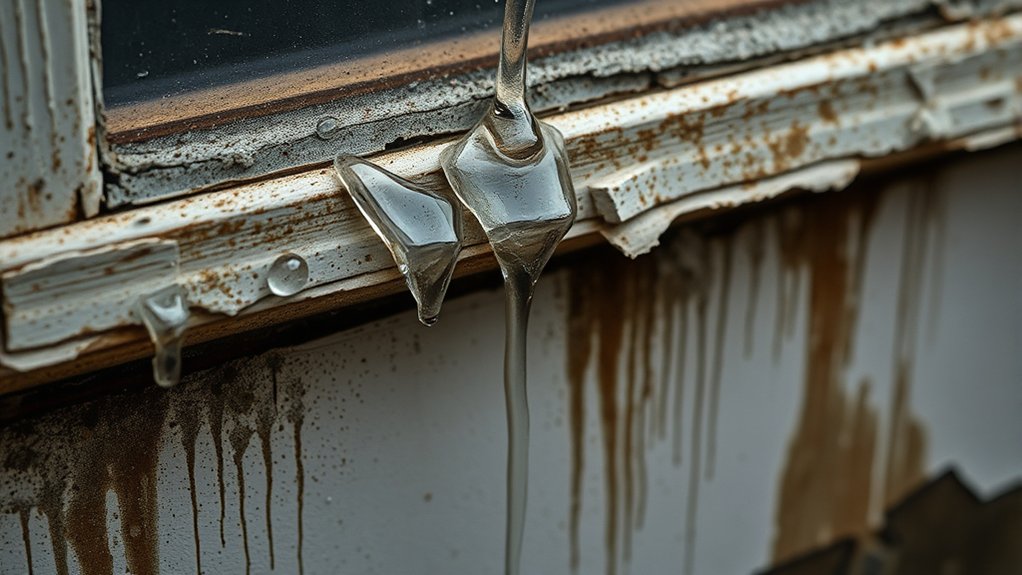
What Are the Dangerous Risks of Water Dripping From Window ACS?
Many homeowners struggle with water dripping from window AC units, and it’s more common than you might think. If left unchecked, this simple issue can turn into a major headache.
Water dripping from your window AC can cause serious damage to your home’s structure, promote mold growth, and harm your health if ignored. It can weaken walls, ceilings, and floors over time, leading to costly repairs.
Moisture can also trigger mold, which releases spores that worsen allergies and respiratory issues.
If you want to understand how to protect your home and health from these risks, there’s important information you should know.
Key Takeaways
- Water leaks can weaken structural components, which might lead to foundation damage and higher repair costs.
- Excess moisture encourages mold growth, causing respiratory issues and lowering indoor air quality.
- Water reaching electrical systems is dangerous and can result in electrical shocks or even fires.
- Persistent leaks can make your home less energy-efficient, increasing utility bills and wearing out equipment faster.
- Continuous water exposure can damage walls, ceilings, and floors, putting the safety and integrity of your home at risk.
Common Causes of Water Dripping in Window Air Conditioners
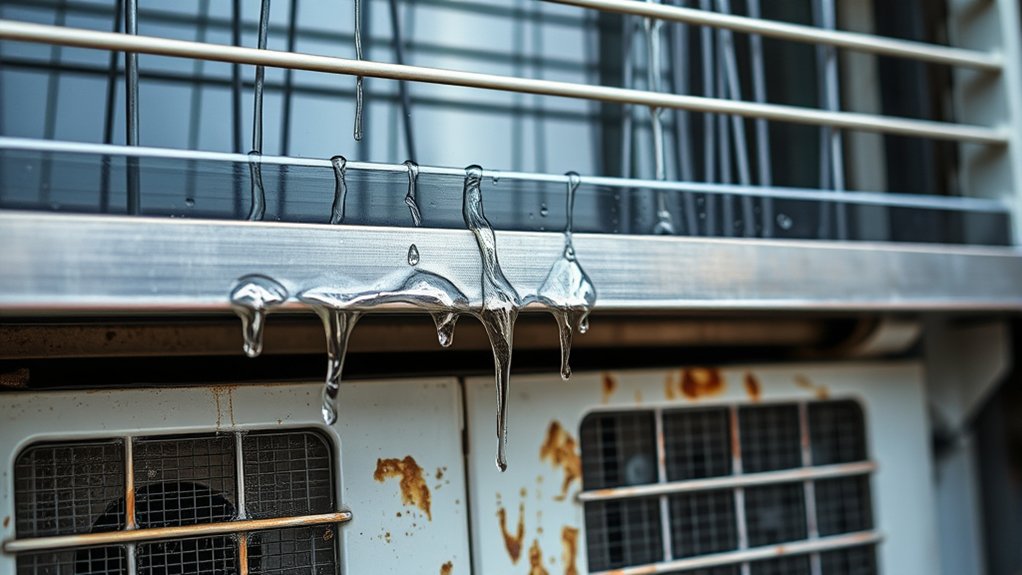
Water dripping from window air conditioners is a common issue, often caused by problems with condensation or drainage. When humidity control isn’t working properly, excess moisture builds up inside the unit, leading to more condensation.
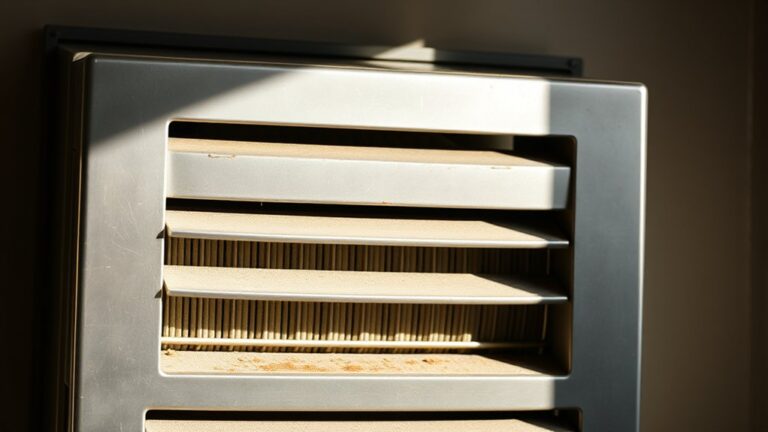
If the drainage system gets clogged or damaged, this water can’t escape efficiently, causing leaks. Dirt, debris, or mold blocking the drain pan or drain holes are common culprits.
An improperly installed unit or a tilted air conditioner can also prevent water from flowing toward the drain, leading to leaks. Cold air inside the unit condenses moisture from the warm, humid outside air.
If the drainage isn’t working smoothly, this water will pool and leak out. Regular maintenance, like cleaning the drain channels and ensuring proper installation, helps prevent these issues and keeps humidity levels in check.
How Water Leaks Can Damage Your Home’s Structure
Water leaks can really do a number on your home’s structure if you don’t catch them early. Over time, they can cause the wood to rot and the drywall to get all damaged. When moisture sneaks in, it creates a perfect environment for mold to develop, which isn’t just bad for your walls but can also be harmful to your health. So, tackling leaks as soon as you notice them is key—this way, you can help keep your home strong and keep your family safe.
Structural Weakening Risks
When leaks continue without being fixed, moisture can seep into your home’s structural parts, slowly weakening them over time. Water getting in can erode or soften the concrete and soil under your house, which isn’t good.
This weakening can cause your foundation to settle or crack, putting the whole structure at risk. Water getting through windows can also damage walls, making drywall, wood, and insulation rot or warp.
Over time, this damage weakens load-bearing parts and can lead to sagging or bowed walls. If you don’t fix these leaks quickly, problems can get worse, leading to expensive repairs and even safety concerns.
Fixing water leaks early helps keep your home’s structure strong and lasts longer.
Increased Mold Growth
As moisture seeps into your home’s walls and ceilings through unaddressed leaks, it creates the perfect environment for mold to thrive. Mold can develop quickly in areas with high humidity, affecting your comfort and health.
If you don’t regulate humidity levels, mold spores spread easily, leading to musty odors and potential breathing issues. Water dripping from your windows can also damage building materials, giving mold more surfaces to grow on.
To prevent this, you need to control humidity properly and fix leaks promptly. Keeping your space dry and well-ventilated helps stop mold from growing, protecting both your home and your well-being.
Ignoring leaks only makes mold more likely, making your home less safe and comfortable.
Signs of Mold Growth From Water Leaks
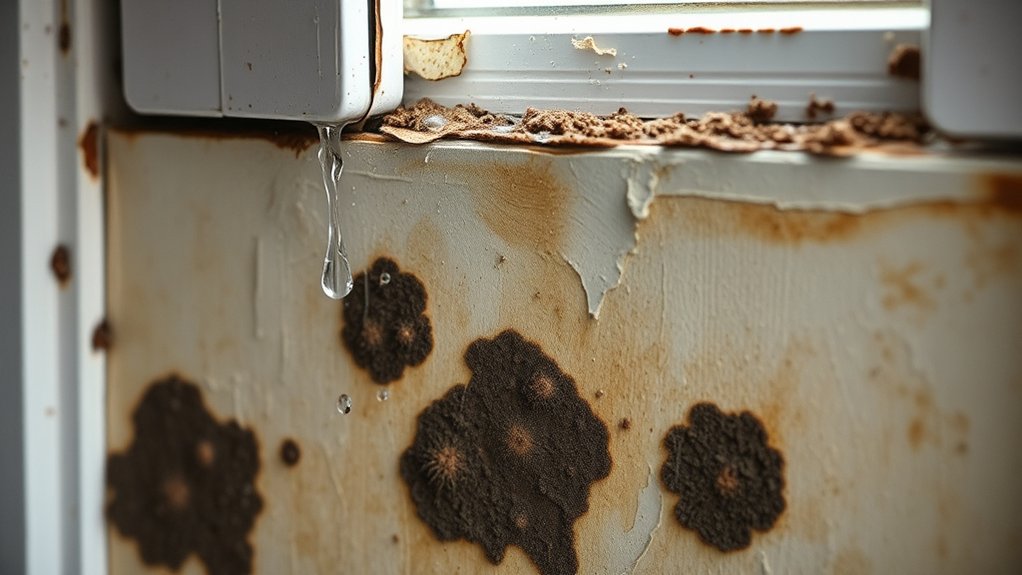
You might notice subtle signs that mold is taking hold in your home, especially around windows where leaks are present. One clear indicator is increased humidity control struggles, leading to persistent dampness. You may see condensation buildup on the window panes, even when the air isn’t humid outside.
Over time, this moisture can foster mold growth behind the curtains or in the corners of the window frame. Watch for musty odors lingering near the affected area, as mold often produces a distinctive smell. Discolored patches—gray, black, or greenish—are common signs of mold colonies forming on surfaces or within the wall cavity.
If you notice peeling paint or wallpaper near the window, it’s another warning sign that mold is developing due to unchecked water leaks. Staying alert to these signs allows you to address leaks early before mold spreads, protecting your home’s health.
Troubleshooting Water Dripping in Your Window AC
Water dripping from your window air conditioner can be a common issue that signals something’s amiss with the unit’s drainage system. To troubleshoot, first check if the drain pan is overflowing or clogged. Clear any debris or ice buildup that might block the drainage hole.
Make sure the unit is tilted slightly outward to encourage proper water flow outside. This also helps maintain energy efficiency. If water keeps dripping, inspect the air filter; a dirty filter can cause excess condensation and noise, reducing noise levels and efficiency.
Clean or replace the filter as needed. Next, examine the drain pipe for kinks or obstructions, and flush it with water if necessary. Proper drainage prevents water buildup that can damage components, reduce energy efficiency, and increase noise.
Addressing these issues promptly keeps your window AC functioning smoothly and quietly.
Preventive Measures to Stop Water Leaks Before They Occur
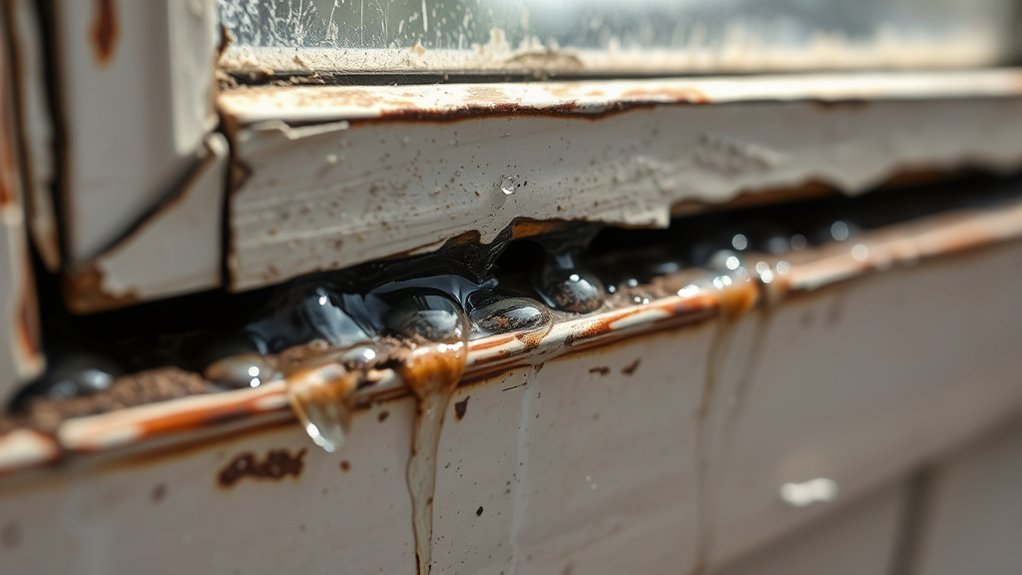
Preventing water leaks from your windows starts with regular maintenance and careful inspection. Seal gaps around window frames with weatherstripping or caulking to stop moisture from sneaking in.
Regular maintenance and sealing gaps prevent window leaks and protect your home.
Make sure your window sills are properly sloped to direct water away from the inside. Keeping your window units clean and free of debris helps prevent blockages that can cause leaks.
Good insulation around your windows boosts energy efficiency and helps maintain consistent indoor temperatures. This also reduces condensation, which can lead to leaks over time.
Proper seals and insulation not only protect against leaks but also improve noise reduction, making your home quieter.
Regularly check for signs of wear or damage and fix issues as soon as you notice them. Installing drip edges or flashing can further divert water away from your windows.
Taking these preventive steps can help you avoid costly repairs later, while also boosting your windows’ energy and soundproofing performance.
When to Call a Professional for Window AC Water Leak Repairs
While minor condensation around your window AC unit is normal, persistent or increasing water leaks often mean there’s a problem that needs professional attention. If you notice water pooling or dripping consistently, it’s time to call in an expert.
A professional can assess issues affecting your unit’s energy efficiency and noise levels, ensuring it performs at its best. Ignoring leaks can lead to mold, structural damage, or reduced cooling power.
You should seek help if:
- The leak worsens despite simple troubleshooting
- Water leaks are accompanied by strange noises
- Your energy bills suddenly spike
- The leak causes water damage or mold growth
Addressing these problems quickly keeps your AC running smoothly and efficiently. Don’t delay repairs—professional help keeps your unit safe, effective, and prevents costly damage.
How Water Leaks Affect Indoor Air Quality and Your Health
Water leaks from windows can create damp spots around your home, and that’s often where mold starts to grow. Mold isn’t just a nuisance—it can actually trigger allergies and make respiratory issues worse.
As the mold develops, tiny spores and airborne contaminants can spread through the air, lowering the overall indoor air quality. This can be really problematic, especially if you’re sensitive to allergens or already have breathing problems. So, it’s important to fix leaks quickly to keep your home healthy and safe.
Mold Growth Risks
When water leaks from windows go unnoticed or untreated, mold can quickly develop in hidden areas like wall cavities and window frames. Mold growth risks increase without proper mold prevention and humidity control. The presence of mold not only damages your property but also poses health risks, especially for allergy sufferers and those with respiratory issues.
To minimize these risks, you should regularly inspect window frames and surrounding areas. Keep humidity levels below 60% and address leaks promptly to prevent moisture buildup. Using dehumidifiers in damp spaces can also help.
Ignoring water leaks allows mold spores to multiply rapidly, spreading allergens and toxins throughout your home. Taking proactive steps to control humidity and prevent mold growth helps safeguard your indoor air quality and your health.
Airborne Contaminant Spread
Unnoticed leaks around windows can significantly affect your indoor air quality by letting moisture in, which helps spread airborne contaminants. When water drips from window ACS, it creates a perfect environment for dust, mold spores, and bacteria to become airborne.
This increases the chance of allergens spreading throughout your home, especially if the leaks continue. As these particles circulate, they can worsen allergies, asthma, or other respiratory problems.
Water leaks also promote mold growth, releasing spores into the air and further reducing indoor air quality. You might not notice or smell the problem right away, but these airborne harmful particles can impact your health over time.
Fixing leaks quickly helps cut down on airborne contaminants and keeps your indoor environment healthier.
Identifying Water Damage on Walls, Ceilings, and Floors
Detecting water damage early is crucial to prevent further harm to your walls, ceilings, and floors. Water intrusion often shows visible signs that you can spot if you look carefully.
Check for wall stains, which indicate ongoing moisture, and look for bubbling or peeling paint. On ceilings, watch for discoloration, sagging, or damp spots that might hide leaks.
Floors can reveal water problems through warping, soft spots, or dark patches where water has seeped in.
To spot damage effectively, keep an eye out for these key signs:
- Persistent wall stains or discoloration
- Peeling or bubbling paint and wallpaper
- Sagging or warped ceiling surfaces
- Soft or swollen flooring materials
Tips for Fixing Water Leaks and Maintaining Your Window AC
Regular maintenance is essential to prevent water leaks from your window AC unit and keep it running efficiently. Start by cleaning the filters regularly; clogged filters reduce airflow, which can cause excess condensation and leaks.
Check the drainage pan and drain line for clogs or damage, and clear any debris to ensure proper water flow. Sealing gaps around the unit improves energy efficiency by preventing cool air from escaping and warm air from entering, which also reduces noise.
Inspect the unit’s insulation and weather stripping, replacing any worn or damaged parts. Keep the exterior of the unit free of debris to maintain ideal airflow. Proper maintenance minimizes water buildup that can lead to leaks and mold growth.
A well-maintained AC operates more quietly, enhancing your comfort. Following these tips ensures your window AC functions effectively, conserves energy, and reduces noise, making your space more comfortable and safe.
Protect Your Home: Regular Maintenance for Your Window Air Conditioner
Maintaining your window air conditioner regularly is essential to protect your home from water damage and ensure it runs efficiently. Proper upkeep not only prevents leaks but also boosts energy savings and cuts down on noise.
Make sure to inspect and clean the filters often to keep airflow strong and your unit working smoothly. Check the condensate drain for clogs so water doesn’t leak inside your home. Lubricate moving parts to keep noise down and help the unit last longer.
Don’t forget to seal any gaps around the unit. This improves energy efficiency and stops warm air from sneaking in. You might also want to clear debris around the unit to avoid blockages.
For extra peace of mind, schedule a professional inspection once a year to catch issues early. Replace filters every 1-3 months for better airflow and energy savings. Tighten loose mounting brackets to reduce vibrations and noise.
Frequently Asked Questions
Can Water Dripping From My Window AC Cause Electrical Hazards?
Yes, water dripping from your window AC can cause electrical hazards. When water reaches electrical parts, it increases the risk of electrical shock, which can be dangerous.
Water near electrical wiring can also create a fire risk if it causes short circuits. To stay safe, make sure your AC is installed correctly and fix any leaks quickly.
Regular maintenance is key. It helps keep water away from electrical components and reduces the chances of accidents.
How Does Water Leakage Affect My Energy Bills?
Water leakage from your window AC can raise your energy bills because it reduces insulation efficiency, causing your cooling system to work harder.
Furthermore, excess water increases indoor humidity, making your space feel warmer and prompting you to run your AC more often.
This extra workload consumes more energy, leading to higher bills. To save money, address leaks promptly and maintain proper insulation and humidity levels.
Are There Specific Window Types Prone to Water Leaks?
Certain window types, like older or poorly installed ones, are more prone to water leaks. You should watch for issues with the window seal, which can break down over time, allowing water to seep in.
Furthermore, frame deterioration from exposure to the elements can create gaps that lead to leaks. Regular maintenance and inspections help identify these vulnerabilities early, preventing water damage and costly repairs.
What Long-Term Damages Can Water Leaks Cause to My Home?
Water leaks can cause serious long-term damage to your home, including roof damage and mold growth.
As water seeps in, it weakens your roof structure, which can lead to expensive repairs down the line. It also encourages mold to grow, which isn’t just harmful to your health but can also damage walls and insulation.
If you notice water dripping from your windows, it’s important to address the problem quickly. Doing so can help prevent these damaging effects and keep your home’s structure intact.
Can Water Dripping From the AC Attract Pests or Insects?
Yes, water dripping from your AC can attract pests and lead to insect infestations. The constant moisture creates a perfect environment for bugs like mosquitoes, flies, and even mold-spreading insects.
This pest attraction not only causes annoyance but also health risks. To prevent insect infestations, fix leaks promptly and make sure your drainage is working properly.
Keep the area around your window dry and clean. Regular maintenance helps keep pests away and protects your home from unwanted visitors.
Conclusion
If you ignore water dripping from your window AC, you’re inviting trouble into your home. It can lead to serious issues like structural damage and mold growth.
This not only affects your home’s integrity but also risks your indoor air quality and health. Stay vigilant, perform regular maintenance, and address leaks promptly.
Remember, a stitch in time saves nine. Don’t let small issues with water dripping from your window AC turn into big headaches. Keep your AC in check to protect your home and your well-being.