How Will a Window AC Help Central Air Systems?
Feeling overwhelmed by the blazing heat and your air conditioning struggles? You’re not alone—many people grapple with keeping their homes cool and comfortable during scorching days. If your central air system isn’t quite hitting the mark, a window AC might be just what you need.
A window AC can assist your central air system by quickly cooling hot spots, which reduces the workload on the main unit. It also helps target specific rooms, boosting overall comfort.
Using both systems together can save energy and lower bills, especially during heatwaves. Proper placement and maintenance are key to maximizing benefits.
Want to know how to make this setup work best? Keep exploring to find out more.
Key Takeaways
- Window ACs provide targeted cooling for hot spots, helping reduce the workload on your central air system.
- They can lower overall energy use by cooling specific rooms instead of running the whole system full blast.
- Using window units gives your central system a break during the hottest days, which can help it last longer.
- Placing window ACs in the right spots can boost home comfort and make your central system work more efficiently.
- Combining both systems gives you better zone control and helps keep indoor temperatures steady and comfortable.
How Do Window ACs Complement Central Air Systems?
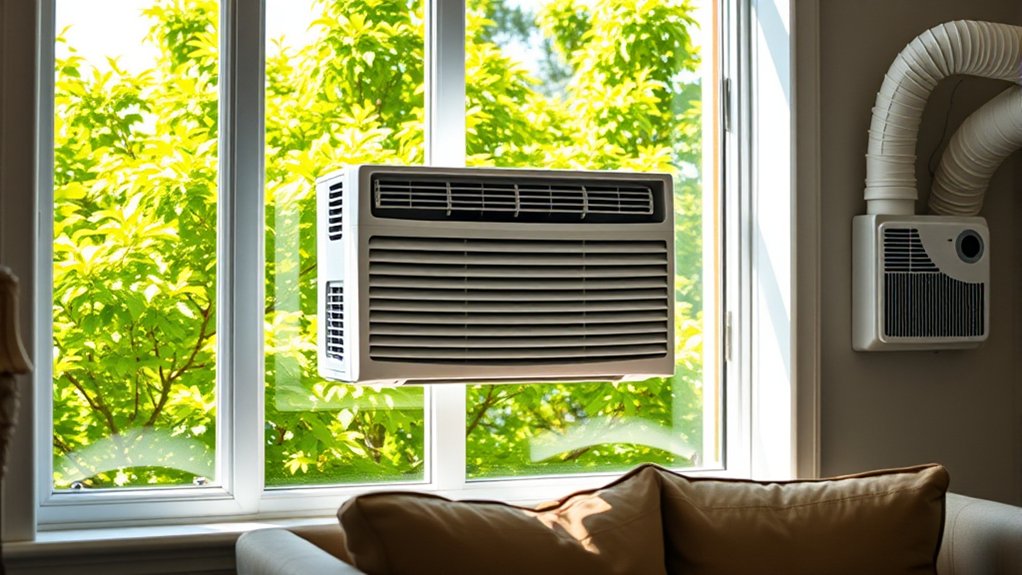
While central air systems are designed to cool entire homes efficiently, they sometimes struggle with hot spots or providing quick relief in specific rooms. That’s where window ACs come in, complementing your main system effectively.
Proper window placement is key—you want to install the unit where it maximizes airflow and cooling efficiency. Positioning the window AC strategically helps target hot spots without overworking the central system.
Modern window units also come with noise reduction features, so you won’t have to deal with loud operation disrupting your comfort. This makes them ideal for bedrooms or workspaces where quiet is essential.
What Are the Benefits of Using Both Cooling Systems?
Using both window ACs and central air systems together offers several clear advantages. You gain greater control over your home’s temperature, especially when using remote thermostats to set different zones.
This flexibility allows you to cool specific areas without overworking the central system, saving energy and reducing costs. Ductless options, like mini-split systems, work well with window ACs to target hard-to-cool spaces efficiently.
Combining these systems also improves overall comfort, as you can quickly cool rooms that tend to heat up or cool down unevenly. Moreover, using both reduces strain on your central air, potentially extending its lifespan.
This setup is ideal for homes with varying cooling needs or older ductwork that isn’t as effective. Overall, leveraging both cooling systems offers better efficiency, comfort, and customization, making your home easier to cool and more energy-efficient.
When Is It Worth Using a Window AC Alongside Central Cooling?
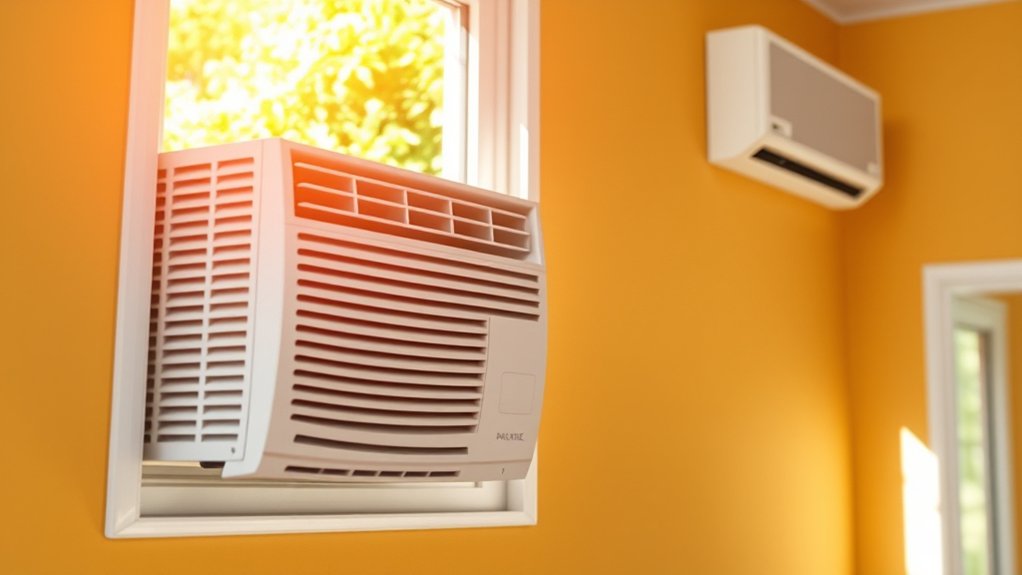
You might want to consider using a window AC alongside your central cooling system when you need to cool down specific rooms or during those occasional heatwaves that make your whole house feel like an oven. It’s a handy way to target just the spaces you’re using the most, without cooling the entire house.
Plus, it can be a more budget-friendly option if you only need extra cooling in certain areas. Instead of cranking up your central AC all day, a window unit can give you that extra chill when you need it most. Knowing when these situations pop up can help you decide if adding a window AC is a smart move to save energy and keep your home comfortable.
Spot Cooling Needs
Sometimes, your central air system just can’t keep up with cooling specific spots in your home, especially during extreme heat or when certain rooms are used more often. In these cases, a window AC can be a practical solution for targeted cooling.
If a single room feels particularly warm, portable fans can offer quick relief, but they don’t lower the overall temperature. Window tinting helps reduce heat gain, easing your central system’s load.
However, for persistent hot spots, installing a small window AC allows you to cool only the necessary area without overworking your entire system. This approach saves energy and improves comfort, making it worth considering when spot cooling needs are consistent or significant.
Temporary Cooling Boosts
Ever wonder if adding a window AC during peak heat days makes sense? It can give you a temporary cooling boost when your central system is struggling. This is especially handy during heatwaves or unexpected temperature spikes, helping keep indoor air quality and comfort up.
Just keep in mind, noise levels can be higher with window units since they tend to be louder than central systems. Here’s a quick comparison to help you decide:
| Aspect | Window AC | Central Air |
|---|---|---|
| Indoor air quality | May circulate dust if not maintained | Better filtration |
| Noise levels | Usually louder | Quieter |
| Cooling speed | Quick, local cooling | Whole-house cooling |
| Cost-effectiveness | Good for short-term use | Better for long-term investment |
Using a window AC temporarily boosts comfort when you need it most, without any long-term commitments.
Cost-Effective Solutions
Using a window AC alongside your central cooling system can be be a smart, cost-effective choice during certain situations. If you want to improve indoor air quality in specific rooms without overcooling your whole house, a window AC offers targeted cooling at a lower cost.
It’s especially useful during peak heatwaves or in rooms that aren’t used often, saving energy and reducing utility bills. Plus, window units can help cut down noise from the central system, making bedrooms or workspaces quieter.
This setup allows you to stay comfortable efficiently without the need for a new central system or upgrading existing equipment. Overall, combining a window AC with your central system gives you practical, budget-friendly solutions that improve indoor air quality and reduce noise in specific areas.
How Can a Window AC Lower Your Energy Bills During Summer?
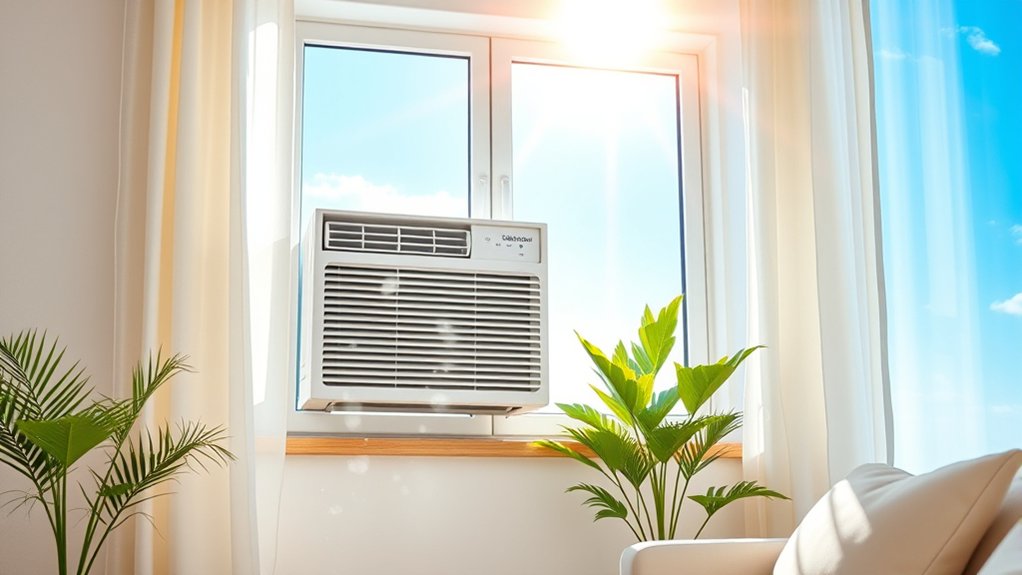
A window AC unit can significantly lower your energy bills during summer by cooling only the rooms you need. Instead of running your central system all the time, it targets specific areas, which cuts down on overall energy use.
To get the most savings, make sure your space is well-insulated with proper window seals. This helps keep cool air in and prevents heat from sneaking in, making your AC work less hard.
Doing energy audits can show you where your home loses energy. Fixing these leaks means your home stays cooler longer, and your AC doesn’t have to run as often.
When your home is sealed tight, your window unit runs more efficiently, using less electricity to keep you comfortable. During the hottest parts of the day, using a window AC allows your central system to rest, saving even more energy.
Focusing on insulation and sealing leaks helps your cooling work better and can really lower your summer energy bills.
Target Hot Spots for Better Comfort With a Window Unit
To get better comfort with a window unit, focus on the hottest spots in your home. Finding these areas helps you direct cooling where it’s needed most, making your space more comfortable and improving indoor air quality.
Start by identifying rooms or corners that tend to trap heat or feel stuffy. Placing your window unit near these spots makes cooling more effective and eases the load on your central system.
Keep noise levels in mind—position the unit where it won’t disturb sleep or work. Think about airflow paths so cool air circulates efficiently.
Proper placement can also improve indoor air quality by reducing hot, stagnant zones that can trap allergens or pollutants.
By addressing these hot spots, you’ll enjoy more consistent comfort across your home and save energy.
Do Window ACs Help Your Central System Last Longer?
When you add a window AC to your central air system, it can actually help extend the lifespan of your main unit. Central systems tend to wear out from constant use, but new technology is making them more efficient and less hard on themselves.
By using a window AC to cool smaller spaces or during really hot days, you lessen the workload on your central system. This means your main unit doesn’t have to run as often or for as long, which reduces overall wear and tear.
Over time, this can help delay breakdowns and make your system last longer. Modern window ACs are now more energy-efficient, quieter, and easier to maintain.
All of these improvements help keep your entire cooling setup in better shape. Using a window AC this way not only boosts comfort but also protects your main system, saving you money on repairs and replacements later on.
Installing a Window AC to Support Your Central Cooling System
Installing a window AC to support your central cooling system is a simple way to boost your home’s efficiency and comfort. It helps reduce strain on your central system during the hottest days, saving energy and lowering your bills.
To make sure everything goes smoothly, follow some key tips like securing the unit properly, sealing gaps around the window, and ensuring proper drainage. Once it’s installed, keep your window AC in top shape with easy maintenance like cleaning filters regularly and checking for debris.
Here are some helpful tips:
- Secure the AC tightly in the window frame for stability
- Seal gaps with weatherstripping to prevent cool air from escaping
- Schedule routine filter cleaning to keep airflow and efficiency high
Common Mistakes When Combining Window Units and Central Air
Combining window units with a central air system can boost comfort, but it’s easy to make mistakes that reduce efficiency or cause issues. One common mistake is poor window placement, which can block airflow or limit the unit’s effectiveness.
Make sure your window unit is installed securely and in a spot that doesn’t block vents or airflow paths. Neglecting noise levels can also be frustrating—some window units are louder than central systems, so choosing a quieter model or installing it carefully can help.
Improper sealing around the window unit can cause air leaks, making your central system work harder and raising energy costs. Running multiple cooling sources without proper coordination can lead to inconsistent temperatures and higher utility bills.
Keep these pitfalls in mind. Ensure your window units are correctly installed, well-placed, and operated with noise and efficiency in mind.
Choosing the Right Window AC for Your Home’s Needs
Choosing the right window AC depends on understanding your specific cooling needs and your home’s layout. Consider the room size and how much cooling power you need—an undersized unit won’t cool effectively, while an oversized one may waste energy.
Look for models with features that improve indoor air quality, like filters that trap dust and allergens, to ensure fresher air indoors. Noise reduction is also important; pick units designed for quieter operation if you’ll use the AC in bedrooms or living spaces.
Check for energy-efficient options to save on electricity bills and reduce your environmental impact. Proper installation and size are essential for the best performance and comfort.
Smart and Energy-Efficient Window Units for Better Integration
Smart, energy-efficient window units make it super easy to keep your home’s temperature just right. Plus, they help you save on those pesky power bills. These units easily connect with your central system, so everything works together smoothly, giving you better control and smarter energy use.
With features like advanced thermostats and special energy-saving modes, they not only boost your comfort but also make your home more efficient. It’s like having a smart helper for your windows that keeps everything running perfectly without wasting energy.
Advanced Temperature Control
Modern window air conditioners now feature advanced temperature controls that make managing your home’s climate more precise and effortless. These smart systems let you set specific temperatures, so you stay comfortable without constant adjustments. They also help improve air quality by reducing humidity and controlling allergens.
Plus, with smart controls, you can monitor and adjust noise levels, keeping your space peaceful. Use smartphone apps to fine-tune your AC remotely, making it super convenient. You can also program schedules to save energy during peak hours and get alerts for maintenance, which helps keep your air clean and your unit running smoothly.
Seamless System Compatibility
When window air conditioners are designed for seamless compatibility with central systems, they’re easier to integrate into your home’s existing climate control setup. This makes it simpler to keep everything working together smoothly.
This compatibility helps maintain consistent indoor air quality because the units work in harmony with your central system instead of disrupting airflow or filtration. Smart window units often come with advanced controls that let you coordinate their operation with your central AC.
By syncing different cooling components, you’ll enjoy a quieter environment and better overall comfort. Compatibility also ensures your window AC complements your system’s efficiency, preventing unnecessary energy use.
This seamless integration makes managing indoor conditions simpler, more efficient, and less intrusive. It enhances your home’s climate control without sacrificing comfort or air quality.
Energy-Saving Features
Energy-saving features in window AC units help them work better with your central system, so you can cut down on energy costs without losing comfort. These units often come with smart tech that adjusts cooling based on room use, keeping indoor air quality high while reducing waste.
You’ll also notice they make less noise, creating a more peaceful space. Plus, energy-efficient models use less power, which helps lower your bills. Features like programmable timers and eco modes can boost your savings even more.
These smart units easily connect with your central system, giving you better control over temperature and air quality. Overall, energy-efficient window units make your home more comfortable and eco-friendly without overloading your energy resources.
Frequently Asked Questions
Can a Window AC Effectively Cool Large Open Spaces?
A window AC isn’t very effective for cooling large open spaces because it struggles with energy efficiency over bigger areas. You might find it less reliable and more costly to run long-term.
Installation challenges can also come up, especially if the space is vast or oddly shaped. Covering the entire area evenly with a window unit can be tricky.
For large open spaces, central or ductless systems are generally more efficient and effective options.
How Does a Window AC Impact Overall Home Humidity Levels?
Think of your window AC as a refreshing breeze, clearing out the muggy fog that clouds your home’s air quality. It reduces humidity, making your indoor environment more comfortable and less prone to mold.
While it’s not a whole-house solution, a window AC targets specific rooms, boosting energy efficiency. It helps maintain ideal humidity levels and creates a healthier, more breathable atmosphere throughout your home.
Are There Specific Window Types Suitable for Installing AC Units?
You should choose window types with sturdy, rectangular frames, like double-hung or casement windows, for easier installation. These window frames provide solid support and seal well, which helps keep your AC secure and working efficiently.
When considering installation options, go for windows that can comfortably fit your AC unit. Picking the right window type ensures your cooling system performs at its best and reduces air leaks.
This makes your cooling more effective and helps you stay comfortable.
What Maintenance Is Required for Window ACS Used Alongside Central Systems?
You should regularly clean or replace the filters on your window AC to keep it running efficiently and provide optimal cooling.
Check for dirt or debris around the unit to prevent airflow blockages. Also, inspect the seals around the window to ensure proper installation.
Finally, schedule annual professional maintenance to keep the unit working smoothly. This helps reduce energy use and extends its lifespan when used with central systems.
Can Window ACS Help Reduce the Load on My Central Air Unit?
Yes, a window AC can help reduce the load on your central air unit by cooling specific rooms or zones.
This targeted cooling makes your energy use more efficient and eases the strain on your main system, which can save you money.
When you use a window AC effectively, especially in hot spots, it helps your central unit work less.
That can extend its lifespan and lower your overall energy bills.
Conclusion
Thinking about boosting your home’s cooling? Combining a window AC with your central system can be a smart move, helping you target hot spots and cut down on energy costs.
Are you making the most of your cooling options? With the right setup and smart choices, you’ll stay comfortable all summer long.
Why settle for just one system when you can efficiently cool every corner of your home? A window AC can complement your central air, making your entire home cooler and more comfortable.