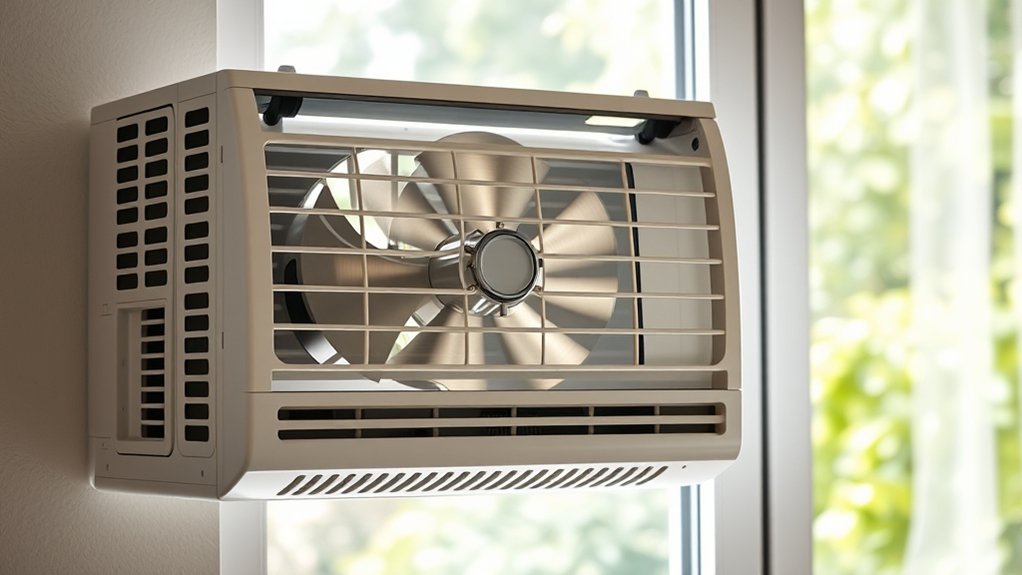
What Happens in Fan Mode on a Window AC: Does It Bring Outside Air?
Are you tired of feeling stuffy inside your home during the hot months? Many people struggle with how their window AC units handle airflow and outside air. If you’re curious about fan mode and whether it brings in outside air, you’re not alone.
In fan mode, your window AC circulates indoor air without cooling or filtering it. It usually doesn’t bring in outside air unless you open vents or windows.
Most units recirculate indoor air, but external air can enter through gaps or vents depending on how the system is set up.
Factors like vent settings, window seals, and external weather influence outside air entry. To learn more about how fan mode works and managing airflow, keep exploring the details ahead.
Key Takeaways
- Fan mode circulates indoor air without cooling or filtering, mainly recirculating the air already inside the room.
- Most window AC units don’t actively bring in outside air during fan mode. They depend on internal vents to circulate the air.
- Outside air might get in through gaps, vents, or poorly sealed windows, depending on how the unit is designed and installed.
- External factors like wind and outdoor air quality can affect how much outside air enters during fan mode.
- Sealing vents and windows properly helps reduce outside air intake, keeping indoor air quality good and saving energy.
What Does Fan Mode Do on a Window AC?
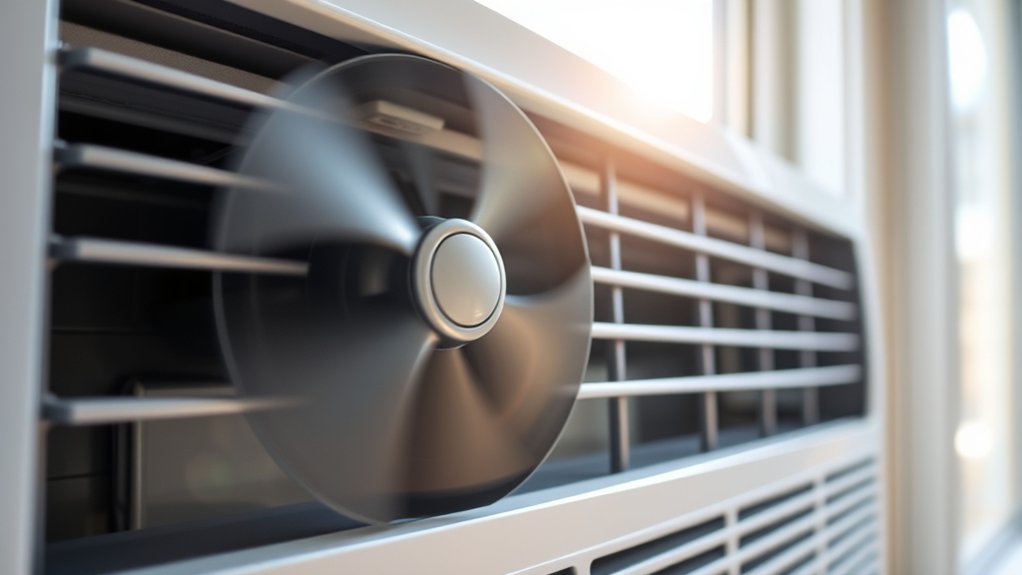
Fan mode on a window AC simply circulates the air inside your room without cooling it. When you switch to fan mode, the unit operates the fan only, not the compressor, so it doesn’t lower the room temperature.
Fan mode on a window AC circulates air without cooling, using only the fan to improve airflow and save energy.
This mode is great for improving air circulation and keeping fresh airflow. It also helps save energy since the compressor isn’t running, making it more efficient than cooling mode.
Plus, fan mode usually makes less noise, so it’s perfect when you want a quieter environment, like during sleep or work. You won’t get cooling, but you’ll enjoy better air movement and lower electricity bills.
Keep in mind, fan mode works best in mild weather or when you just want the air to move without cooling. It’s an easy, efficient way to boost comfort without using much power or creating a lot of noise.
Does Fan Mode Bring in Outside Air?
When you turn your window AC to fan mode, it generally just recirculates the air already inside the room. It doesn’t usually bring in outside air. But, depending on how your unit is designed, sometimes outside air can sneak in through gaps or vents.
Airflow Pathway During Fan Mode
During fan mode, the airflow pathway usually recirculates the indoor air instead of bringing in outside air. The fan moves air within the room through the unit’s internal vents, so you’re not pulling in fresh outside air.
This helps keep the indoor temperature and air quality steady, especially if the filters are clean. Since it’s not actively cooling or heating, fan mode uses less energy and is more efficient.
The fan runs at a steady, quiet speed, so noise levels stay low. This makes it a good choice for maintaining good air circulation without changing the temperature or costing much in energy.
Outside Air Intake Possibility
Does fan mode on a window AC bring in outside air? Typically, it doesn’t. Most window units recirculate indoor air and don’t have a dedicated outside air intake. This means the air passing through is usually filtered, which helps improve indoor air quality.
However, some models have vents or open panels that might let outside air in, especially if the unit isn’t sealed properly. Keep in mind, bringing in outside air can affect how well the air is filtered since unfiltered outdoor particles may enter.
It also impacts energy use because the AC isn’t actively cooling or dehumidifying when in fan mode. Still, it runs to circulate the air. If you want fresh outside air, check your unit’s design; many don’t support outside air intake during fan mode.
How Your Window AC’s Ventilation Settings Work
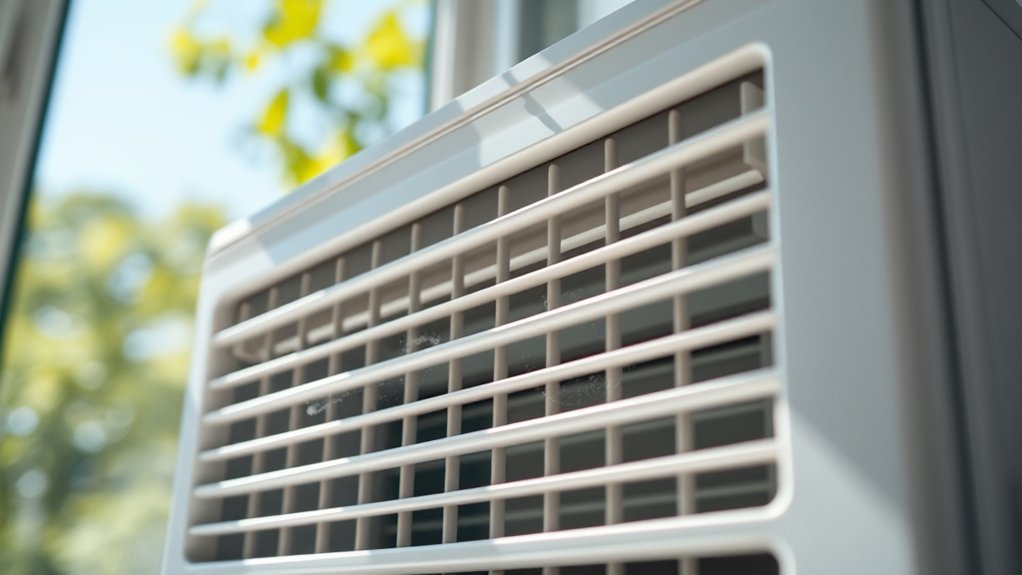
Your window AC’s ventilation settings control how much fresh air gets in and how it moves around inside the room. When you change these settings, you’re basically managing air filtration and airflow.
Many units have a vent or damper that lets in outside air or recirculates indoor air. If you open the vent, outside air can come in, but it might reduce air filtration efficiency since outdoor pollutants can enter.
On the other hand, keeping the vent closed maximizes indoor air filtration, which can improve air quality. Ventilation settings also impact energy use; opening the vent can make the AC work harder to keep the temperature steady.
Balancing these settings helps you enjoy fresh air without sacrificing cooling efficiency. Understanding how your AC’s ventilation works can help you stay comfortable, save energy, and keep the air quality good.
What Factors Affect Outside Air Intake During Fan Mode
When your window AC is in fan mode, the amount of outside air it pulls in really depends on a few different things. For starters, the way the ventilation system is designed makes a big difference. Some units are built to allow more outside air in, while others are more sealed off.
Then, there’s the window itself and how tightly it’s sealed. If your window is well-sealed, less outside air will get in. But if there’s a gap or opening, more air can flow through.
The position of the window also matters—whether it’s open or closed, and how you’ve positioned the AC in relation to it. Plus, environmental factors like wind, outdoor temperature, and humidity can influence how much outside air enters during fan mode.
Getting a good understanding of these factors can help you better control airflow and make sure your AC is working just how you want it to.
Ventilation System Design
Several factors influence how much outside air enters a window AC during fan mode, affecting ventilation efficiency and indoor air quality. The design of the ventilation system is essential in this process. A well-designed system balances energy efficiency and noise levels, making sure outside air intake doesn’t reduce comfort.
Some units have adjustable vents or louvers to control airflow, while others rely on fixed openings. How these components are positioned determines how much fresh air gets in and how loud the unit is.
| Factor | Effect on Outside Air Intake | Impact on Energy & Noise |
|---|---|---|
| Vent size & placement | Larger vents allow more air | Can increase noise |
| Adjustable louvers | Control airflow precisely | Help optimize energy use |
| Seal quality | Prevent unwanted leaks | Improve efficiency |
Window Position and Seal
The position of the window and the condition of its seal directly influence how much outside air enters the room during fan mode. If the window is open or slightly ajar, more outside air can flow in through the gap, especially if the window frame isn’t tightly sealed.
Seal integrity is vital; a damaged or worn seal allows outside air to bypass the AC’s filtration, increasing airflow into the room. A well-sealed window minimizes outside air intake, even if the window is partially open.
Keep in mind that even small gaps around the window frame can greatly affect airflow. To reduce outside air, make sure your window frame is secure and the seal is intact, especially during fan mode when ventilation mainly depends on these factors.
External Environmental Conditions
External environmental conditions play a big role in how much outside air gets into your room when using fan mode. When outdoor air quality is poor or humidity is high, less outside air will naturally flow in.
High outdoor humidity can make your indoor space feel damp and uncomfortable. On the other hand, dry outdoor air can help lower indoor humidity, making the room feel more comfortable.
Wind speed and direction also matter. Strong breezes can boost airflow, while still conditions limit it. These factors affect energy use because bringing in outside air may help your AC work less, but it can also increase indoor humidity.
That means your system might need to work harder to keep a comfortable temperature. Understanding these conditions can help you use fan mode more effectively for both comfort and efficiency.
How to Tell If Your AC Is Drawing in Outside Air
If you’re unsure whether your air conditioner is drawing in outside air, there are a few quick ways to check. First, listen for changes in noise levels. An increase might mean outside air is entering, especially if the unit sounds louder than usual.
Next, watch how your AC operates. If it runs longer or struggles to cool the room, it could be working harder because it’s pulling in warm outside air instead of recirculating cooled indoor air.
Feel for air drafts near the vents or seams of your unit. These can signal outside air entry. Also, if you notice more dust or pollen in your space, outside air may be coming in.
These signs can help you figure out if your AC is drawing in outside air, which impacts your comfort and energy use. Recognizing them means you can address issues quickly and keep your system running smoothly.
How to Control Outside Air in Fan Mode
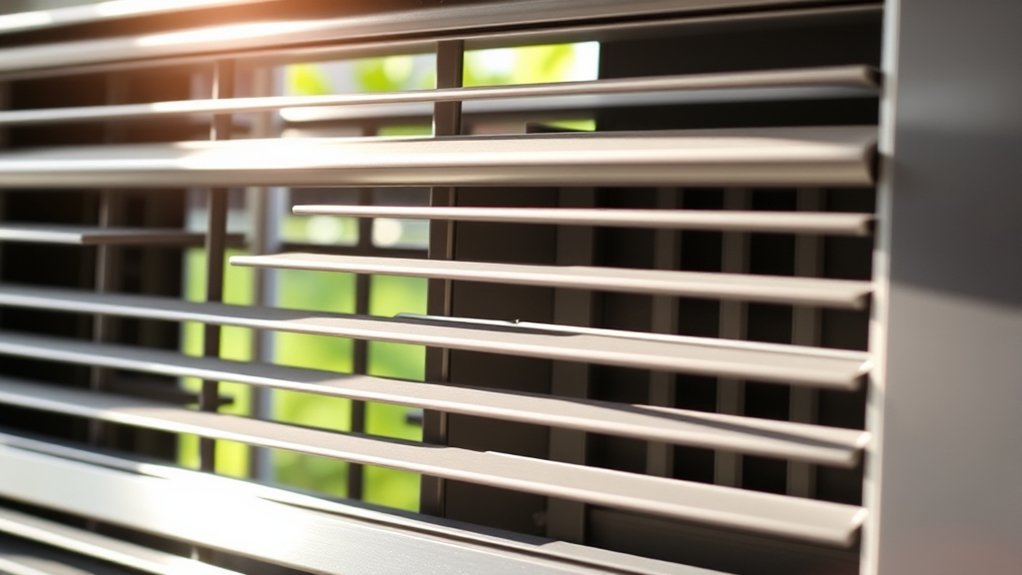
If you want to control outside air when your fan is on, the first step is to look at your AC’s vents. You can adjust the vent settings to either let in more outside air or keep it out. Play around with these to find the right balance for your comfort.
Basically, by tweaking the vents, you can reduce drafts or outside noise if needed. It’s a simple way to make sure your indoor environment stays cozy without letting in too much outdoor air.
Managing Air Intake
Wondering how to manage outside air when your window AC is in fan mode? You can control air intake by focusing on a few key actions.
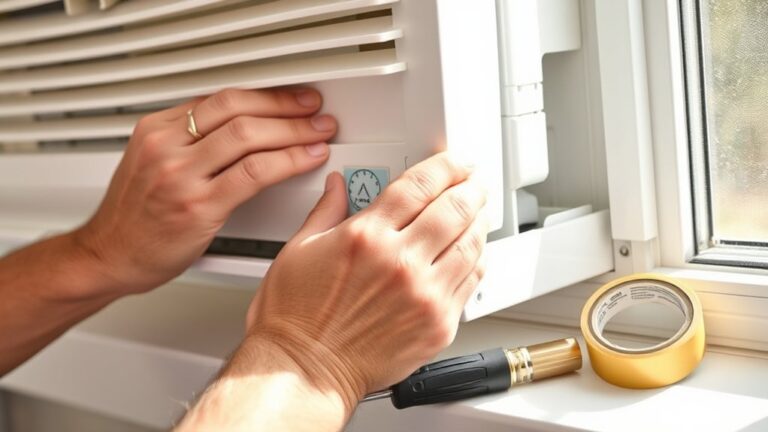
First, regularly perform air filter maintenance to prevent dust and debris from entering your space. Next, check if your unit has adjustable vents—closing or directing them minimizes outside air intrusion.
Keep windows tightly sealed or use curtains to block gaps that let in outside air. Be mindful of your energy consumption; running the fan with minimal outside air intake can save power.
Also, consider installing a screen or mesh over vents to regulate airflow without obstructing proper ventilation. By managing these factors, you ensure better air quality and efficiency in fan mode.
Adjusting Vent Settings
Ever considered how adjusting your vent settings can control outside air when your window AC is in fan mode? By directing the vents properly, you can reduce unwanted outside air, which helps maintain energy efficiency.
If you aim for quieter operation, position the vents away from your preferred seating area to lower noise levels. Adjusting the vents can also influence airflow, allowing you to balance outside air intake with indoor comfort.
Keep in mind that closed or partially closed vents limit outside air, improving efficiency and reducing noise. Conversely, opening vents fully may increase outside air entry, which could impact energy use and noise.
Regularly tweaking your vent settings ensures *ideal* airflow control, helping your fan mode run smoothly while keeping energy costs down.
How Fan Mode Impacts Indoor Air Quality
Have you noticed how switching your window AC to fan mode can impact the air inside your home? When in fan mode, your unit just circulates indoor air without cooling or filtering, affecting indoor pollutants and air quality.
If your space has dust, pet dander, or cooking fumes, fan mode can stir these particles back into the air, making it feel stale or dusty. It doesn’t actively filter or remove pollutants, so the air quality might get worse if these particles are present.
Picture dust floating around, allergens being stirred up, odors lingering longer, indoor humidity fluctuating, and pollutants staying unfiltered.
While fan mode helps with air circulation, it doesn’t improve air purification unless your unit has a built-in filter. If you’re worried about indoor pollutants, consider adding extra air cleaning methods to keep the air healthy.
Common Myths About Outside Air and Window ACs
Many people believe that leaving their window ACs open to outside air can improve indoor air quality, but this is often a myth. In reality, opening your window AC allows outdoor pollutants, dust, and allergens to enter, which can harm your indoor air quality instead of helping it.
Relying on indoor plants can naturally boost air purification without compromising energy efficiency. These plants absorb toxins and improve humidity, making your space healthier without needing to open windows.
Furthermore, leaving your window AC in fan mode with the window open can cause your system to work harder. This reduces energy efficiency and increases your utility bills.
It’s a common misconception that outside air helps; however, it often introduces more pollutants and strains your system. To keep indoor air clean and maintain energy efficiency, it’s best to keep windows closed while using your AC.
Use indoor plants as a natural air filter instead. They help improve air quality without the need to open windows or increase energy consumption.
When Is the Best Time to Use Fan Mode?
The best time to use fan mode on your window AC is when you want to improve air circulation without cooling your space. This setting is great for freshening the air and boosting air filtration, especially during mild weather. It’s perfect when outside air quality is good or you just want to circulate indoor air without running the compressor.
Imagine gentle breezes flowing through your room with quiet operation and barely noticeable noise levels. It helps mix fresh air with indoor air, keeping things comfortable without much energy use. Plus, it puts less wear on the compressor.
Fan mode keeps the air quality high while staying quiet, making it ideal for working, relaxing, or sleeping. Use it during cooler mornings or evenings when cooling isn’t necessary but fresh air circulation is still wanted. It’s an efficient way to stay comfortable without overusing energy or noise.
Troubleshooting Outside Air Issues in Your Window AC
Outside air issues in your window AC can cause discomfort and reduce efficiency, especially if unfiltered air enters your space or humidity levels rise unexpectedly. If you notice increased noise or your unit struggles to cool effectively, outside air might be sneaking in.
Check if the window seal is tight and the vents are properly closed. An improperly sealed window allows outside air to infiltrate, decreasing energy efficiency and making your AC work harder.
Also, inspect the filter; a dirty or damaged filter can cause noise and hinder airflow, leading to poor cooling performance. If your AC’s fan mode is set incorrectly, it might pull in outside air, affecting indoor air quality.
To troubleshoot, verify all seals are secure, filters are clean, and vents are closed during fan mode operation. Addressing these issues improves energy efficiency, reduces unnecessary noise, and keeps your indoor environment comfortable.
Frequently Asked Questions
Can Fan Mode Operate Without Power?
Fan mode on your window AC can’t operate without power. If there’s a power outage, the fan stops working because it relies on electricity to run.
When power is restored, you can adjust the fan speed, but during a blackout, the fan remains inactive.
To keep air circulating, make sure your unit is connected to a reliable power source. Keep in mind that fan mode won’t work during outages or if unplugged.
Does Fan Mode Reduce Energy Consumption?
Yes, fan mode can reduce energy consumption because it uses less power than cooling or heating functions, leading to energy savings.
When you switch to fan mode, your AC circulates air without actively cooling or heating, which minimizes environmental impact by lowering energy use.
This mode is especially useful for maintaining air circulation while conserving electricity, making it an eco-friendly choice for keeping your space comfortable without increasing your energy bills.
Is Fan Mode Quieter Than Cooling Mode?
Fan mode is quieter than cooling mode because the compressor turns off, reducing noise considerably. You’ll notice less operational noise, making it perfect for sleep or quiet environments.
While fan mode isn’t as energy-efficient as cooling mode for temperature control, it still uses less energy overall. The noise difference is noticeable, so if you want a peaceful setting, fan mode is your best choice.
Can You Use Fan Mode With the Window Open?
You can use fan mode with the window open, but it’s like trying to mix oil and water. Outside air can interfere with the airflow improvement.
While fan mode helps circulate indoor air, opening the window may reduce efficiency by letting unconditioned outside air in. For better window ventilation, keep the window slightly ajar and use the fan mode to improve airflow without sacrificing comfort.
Does Fan Mode Improve Air Circulation in the Room?
Yes, fan mode improves airflow patterns and circulation efficiency in your room. When you switch to fan mode, the AC fan circulates air more effectively, helping to distribute indoor air evenly.
This process can reduce stuffiness, eliminate stagnant spots, and boost overall comfort. Unlike cooling modes, fan mode doesn’t lower the temperature but focuses on maintaining steady airflow.
This makes your room feel fresher and more comfortable through improved circulation.
Conclusion
In conclusion, fan mode on your window AC mainly recirculates indoor air, with little outside air coming in unless you adjust the vent settings.
Did you know indoor air can be 2-5 times more polluted than outdoor air? Using fan mode wisely can help improve the air quality inside your home.
Just remember to check your unit’s settings and ventilation options. This way, you get the fresh air you need without sacrificing comfort or efficiency.