How Much Electricity Does a Window AC Use?
Struggling to keep your home cool without skyrocketing your electricity bill? You’re not alone—many people find it tricky to balance comfort and cost when using their window AC units.
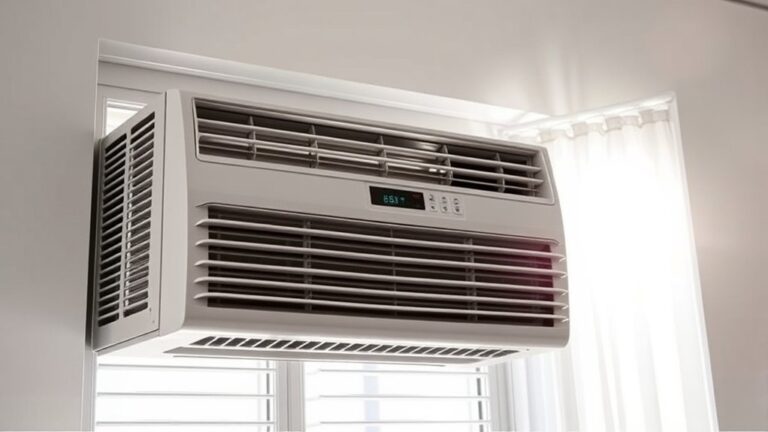
A window AC typically uses between 500 and 1,500 watts of electricity, depending on its size, efficiency, and how you use it. Smaller units with higher efficiency may use less power, while larger or older models tend to consume more.
Your actual energy use also depends on thermostat settings, placement, and maintenance.
Want to find out how to cut costs and improve efficiency? Keep exploring for helpful tips you can start using today.
Key Takeaways
- The electricity usage of a window AC depends on its wattage and how many hours you run it each day.
- Look for energy labels like SEER and EER; they show how efficient the unit is and can affect how much power it uses.
- Proper placement, sealing, and good room insulation can help reduce the workload on your AC and cut down on energy use.
- Setting the thermostat around 78°F is a good balance between staying comfortable and saving energy.
- Regularly cleaning filters and coils keeps your AC running smoothly and helps prevent unnecessary energy use.
How Much Electricity Does a Window AC Use?
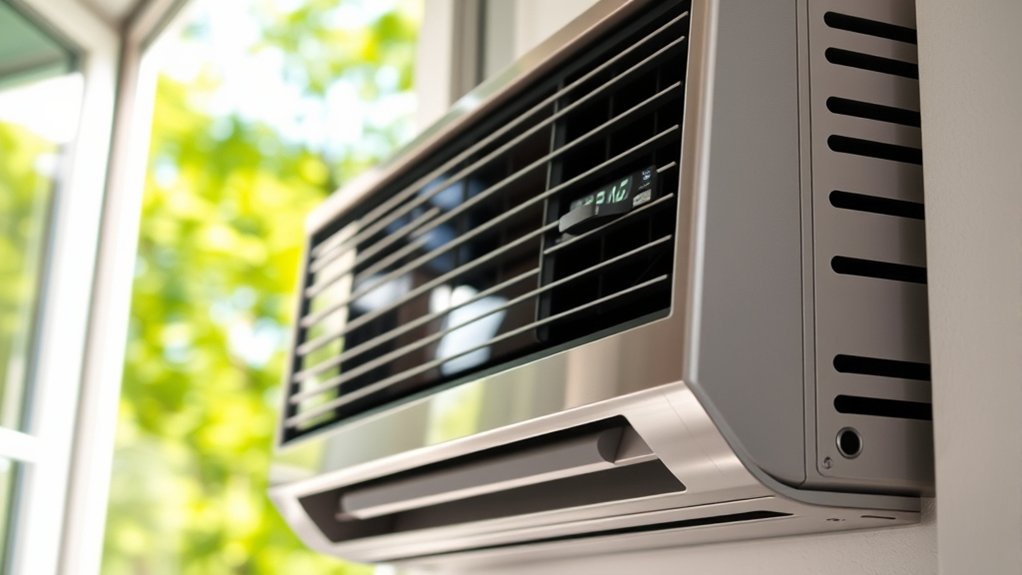
Understanding how much electricity a window AC uses is important for managing your energy bills and picking the right unit.
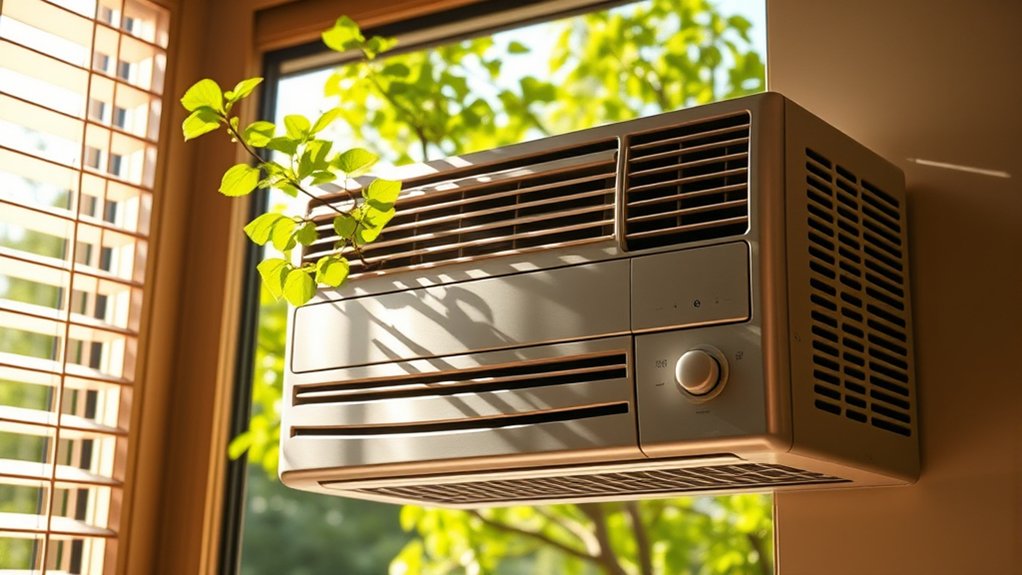
One key factor that affects power consumption is where you place the window unit. Installing it in a shaded, unobstructed window helps it run efficiently, which can save energy.
Poor placement, like blocking airflow or putting it in direct sunlight, makes the AC work harder and uses more electricity. Noise levels also matter because louder units often need more power.
When choosing a window AC, look for models with lower noise ratings, as they usually consume less energy. Proper placement not only reduces noise but also keeps the unit running smoothly, saving you money over time.
What Do Power Ratings and Labels Mean?
Power ratings and labels on window AC units give you important info about how much energy they use and how efficient they are. These labels help you understand the unit’s power consumption and make it easier to compare different models.
The energy label usually shows key details like cooling capacity, power use, and the energy efficiency ratio (EER). This helps you estimate running costs and pick an energy-efficient unit that fits your needs.
Here’s a simple breakdown of what the labels mean:
| Parameter | What it means | Example |
|---|---|---|
| Cooling Capacity | How much heat the AC can remove | 8,000 BTU |
| Power Consumption | How much energy the unit uses per hour | 800 watts |
| Energy Labels | Ratings showing efficiency | SEER 12, EER 10 |
| Efficiency Rating | How well the AC uses power | 3.5/5 stars |
Understanding these labels helps you choose an energy-efficient window AC that works for you and keeps your power costs manageable.
Which Window ACs Are More Energy-Efficient?
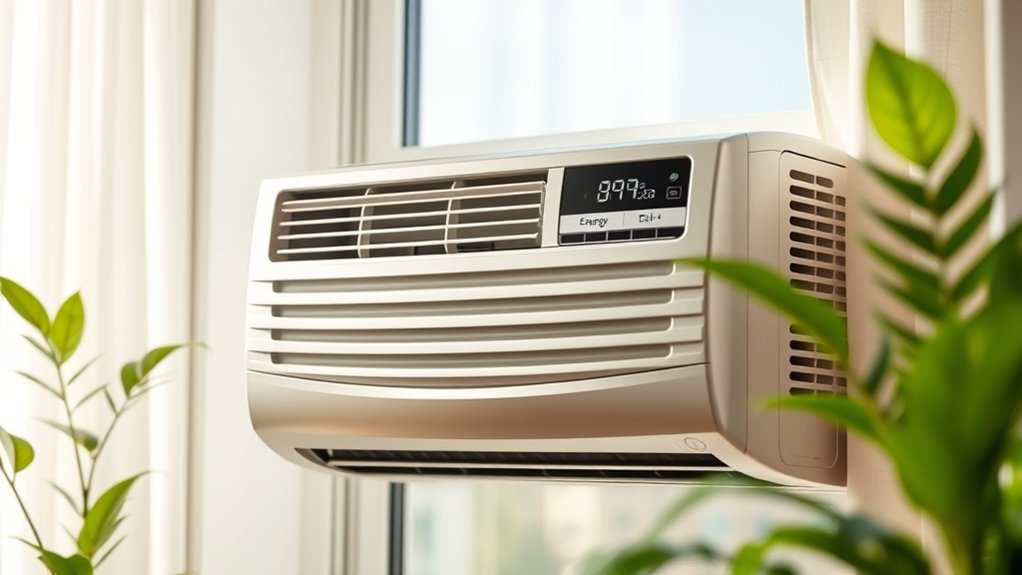
Looking for a window AC that won’t skyrocket your energy bills? Well, the key is to look for models with high Energy Star ratings. These units are designed to use less electricity, so they’ll save you money in the long run.
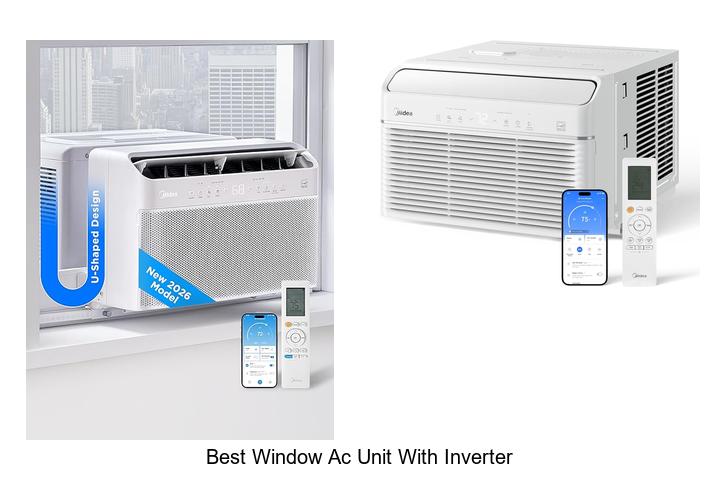
Another cool feature to keep an eye out for is inverter technology. It adjusts the compressor’s speed based on the cooling needs, which helps cut down on energy waste. Just make sure to pick a unit that fits your room size – a too-small or too-large AC won’t work efficiently and might end up costing you more.
Energy Star Ratings
Energy Star ratings are a reliable way to identify window air conditioners that use less electricity and save you money on your energy bills. Over time, these ratings have become more strict, prompting manufacturers to make more efficient models.
When you compare units globally, Energy Star-certified options often perform better than non-rated ones. This reflects international standards for conserving energy. These ratings consider factors like how much energy the AC uses and how well it cools.
The higher the rating, the more energy-efficient the air conditioner is. Choosing Energy Star models helps you cut down your environmental impact and lowers your operating costs. Keep in mind, reviewing specific product details is key to finding the most efficient window AC for your needs.
Inverter Technology Benefits
Inverter technology boosts the energy efficiency of window air conditioners by adjusting the compressor speed based on the cooling demand. This means your AC runs only as hard as needed, which helps lower your electricity bills.
Because of this, inverter ACs work better with solar panels, making it easier to harness renewable energy. When paired with smart thermostats, they optimize temperature settings and reduce wasted energy.
| Benefits of Inverter ACs | Emotional Impact |
|---|---|
| Lower energy bills | Save money for what truly matters |
| Reduced environmental impact | Feel good about your choices |
| Quieter operation | Enjoy peaceful comfort |
| Better temperature control | Experience consistent cooling |
| Compatibility with solar panels | Live sustainably |
Size and Capacity Match
Choosing the right size and capacity for your window AC is key to saving energy.
An undersized unit won’t cool well, so it has to run longer and use more electricity.
On the other hand, an oversized model cools too quickly and keeps turning off, wasting energy.
Getting the right capacity helps the AC work efficiently and keeps your energy bills in check.
Think about your room size, insulation, and match the BTU rating to those factors.
Adding window treatments that block sunlight can cut down your cooling needs.
Installing noise reduction features makes your space more comfortable without using extra energy.
When your AC’s capacity matches your room’s needs, it runs smoothly.
That means you save money and stay comfortable at the same time.
How to Calculate Your Window AC’s Energy Consumption
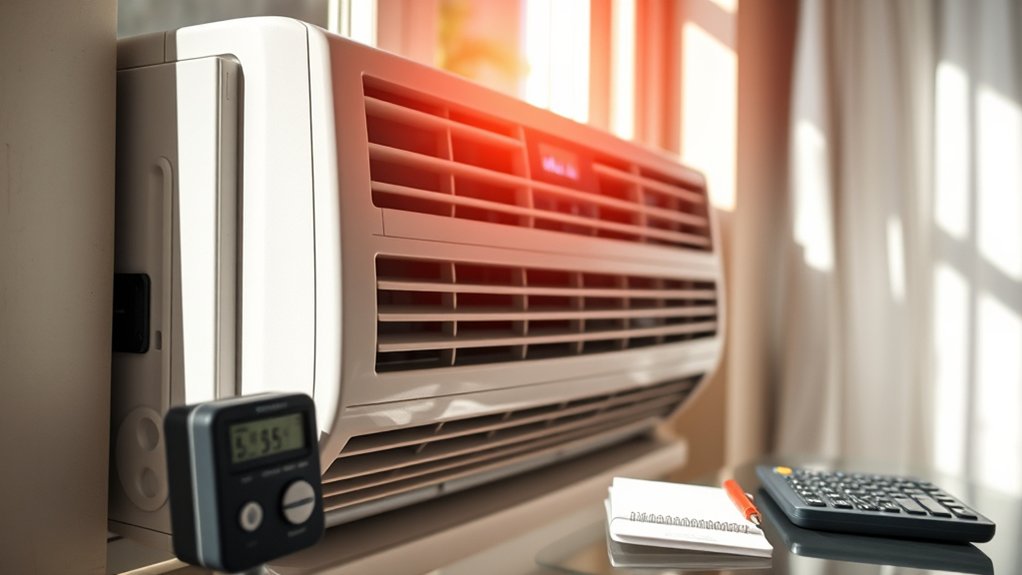
To figure out how much electricity your window AC consumes, you’ll need to look at its wattage rating and how many hours you run it each day. The wattage, usually found on the unit’s label, shows its power use in watts.
Multiply this number by the hours of operation to get watt-hours. Then, divide by 1,000 to convert to kilowatt-hours (kWh), the standard energy measurement.
Regular air filter maintenance keeps your AC running efficiently, which helps reduce unnecessary energy use. Also, consider noise level considerations—louder units might need to run longer to cool effectively, increasing energy consumption.
Keep the filter clean and make sure the unit is properly sealed to maximize efficiency. Remember, the more you run your AC, the more energy it consumes. Understanding these factors helps you estimate your energy costs accurately.
This method provides a clear, straightforward way to track your AC’s power usage.
What Factors Influence Your AC’s Power Use?
So, when it comes to how much power your AC uses, there are quite a few things that can affect it. For starters, the size of the room matters – bigger rooms usually need more cooling, which can mean more energy used.
Then, there’s insulation. If your space isn’t well-insulated, your AC has to work harder to keep everything cool, which can bump up your energy bills. The thermostat setting is also a biggie—setting it lower means the AC has to run longer and use more power. And, of course, how often you turn the unit on and off can make a difference too.
Lastly, the efficiency of your AC unit plays a role. A newer, energy-efficient model will generally use less electricity compared to an older or less efficient one. So, all these factors together help determine just how much power your AC consumes.
Room Size and Insulation
Have you ever wondered how the size of a room and its insulation affect your window AC’s energy consumption? Larger rooms need more power to cool effectively, while well-insulated spaces hold onto cool air longer, reducing energy use. Poor insulation makes your AC work harder, which increases your electricity bills.
Proper window placement can also make a big difference. It improves cooling efficiency and cuts down on noise, especially if your unit faces busy streets. Keep these factors in mind:
- Larger rooms demand higher BTU ratings, which use more energy
- Well-insulated rooms stay cooler longer, lowering power needs
- Correct window placement reduces noise and boosts efficiency
Understanding these elements helps you get the best performance from your AC. That way, you save money, enjoy a quieter environment, and stay more comfortable.
Thermostat Settings and Usage
Ever wonder how your thermostat settings impact your window AC’s energy consumption? When you set it lower, the unit works harder and uses more electricity, which can hike up your energy bills.
On the flip side, setting the thermostat higher saves power but might make you less comfortable. Keep in mind that window placement affects noise levels, which can influence how often you adjust the thermostat.
If noise is disruptive, you might change your settings more often. But constantly fiddling with the thermostat can cause the AC to cycle on and off more frequently, wasting energy.
Finding the right balance between comfort and energy efficiency is key. Properly positioning your window unit and choosing a stable, ideal thermostat setting helps reduce power use and keeps noise levels manageable.
AC Unit Efficiency
Several factors influence how efficiently a window AC uses electricity, from its design to how you use it. A high-efficiency AC often has better insulation, advanced compressors, and optimized airflow, which cut down on energy waste.
Your air quality also plays a role—dirty filters or poor ventilation make the unit work harder, boosting power use. Noise levels matter too; noisier units tend to strain more and consume extra energy.
To visualize this:
- Well-maintained filters improve airflow and reduce energy consumption
- Quieter models often run more smoothly, saving power
- Proper placement boosts air circulation and efficiency
Knowing these factors helps you pick an AC that balances air quality, noise, and power use effectively.
How Room Size and Insulation Affect Energy Use
Wondering how your room size and insulation impact your window AC’s energy consumption? Larger rooms need more cooling power, so your AC has to work harder and use more electricity.
Proper window placement is key. Putting your unit in a shaded, cool spot reduces the load on the AC. Good insulation keeps cool air inside and stops warm air from sneaking in, so your AC doesn’t have to run constantly.
If your room isn’t well insulated, your AC will have to run longer, which increases energy use. Noise levels can also affect how often your AC cycles on and off. Higher noise might cause the unit to work harder to maintain the right temperature.
Making sure your window is well-sealed and insulated helps your AC run efficiently, saving electricity. Considering room size, insulation, window placement, and noise levels can all help you optimize your AC’s energy use and keep cooling costs manageable.
How Thermostat Settings Save Electricity
Setting your thermostat to around 78°F when you’re home and active can help cut down on energy use without making things uncomfortable. It’s a simple way to save some cash on your electricity bill.
And hey, don’t forget to turn down the AC when you’re away or sleeping. Keeping it lower all the time isn’t necessary and just ends up wasting energy. These little tweaks can really add up and make a difference in your energy savings.
Optimal Temperature Settings
Adjusting your thermostat to the right temperature can really cut down on your electricity use. Setting your window AC around 78°F (25-26°C) strikes a good balance between comfort and efficiency.
Using a smart thermostat makes this even easier. It can automatically keep your home at the right temperature, even when you’re not there, helping you avoid wasting energy.
If your home is connected to renewable energy, optimizing your thermostat can help you make the most of clean power while saving money. Imagine your smart thermostat:
- Adjusting itself based on your schedule and preferences
- Preventing unnecessary cooling by avoiding constant operation
- Syncing with renewable energy availability for greener use
These simple practices help you save electricity and support a more sustainable lifestyle, all while keeping your home comfortably cool.
Avoid Constant Cooling
To save electricity, it’s important to prevent your window AC from running constantly. Instead of setting the thermostat too low, aim for a comfortable but moderate temperature to reduce overcooling. Proper window placement helps, too—install your unit where it minimizes noise levels and maximizes airflow so it doesn’t have to work harder.
If your AC runs nonstop, it consumes more power and wears out faster. Using a programmable thermostat can help regulate cooling cycles, ensuring the unit turns off when the desired temperature is reached.
Avoid keeping the unit on all day. Instead, turn it off or set it to a higher temperature when you’re away or sleeping. This approach saves energy, reduces noise levels, and prolongs your AC’s lifespan.
How Regular Maintenance Boosts Efficiency
Regular maintenance is key to keeping your window AC running efficiently and saving you money on electricity. When you clean or replace the air filter regularly, airflow improves, and your unit doesn’t have to work as hard.
This reduces strain on the compressor and minimizes compressor noise, which can be a sign of inefficiency. Inspecting and cleaning the condenser coils ensures heat is expelled properly, boosting cooling performance.
Imagine these benefits:
- Clear air filters that improve airflow and lower energy consumption
- Quiet operation with reduced compressor noise
- Well-maintained coils that improve cooling efficiency
Tips to Cut Your Energy Bills When Using a Window AC
Keeping your window AC well-maintained helps it run efficiently, but there are other steps you can take to lower your energy bills even more.
Maintaining your window AC boosts efficiency and saves money on energy bills.
First, think about where you place the unit. Installing it in a shaded spot or away from direct sunlight can reduce the cooling load and make it work less hard.
Make sure to seal around the unit properly. This stops air leaks, so cool air stays inside and hot air stays out, making your AC more efficient.
Adjusting the thermostat to the highest comfortable setting can also save energy. Avoid overcooling the room, which wastes electricity.
Noise levels matter too. If your unit is really loud, it might be working harder than it needs to. Choosing a quieter model or adding insulation around it can help keep the temperature steady and prevent extra strain on the AC.
With these simple tips, you can improve efficiency, cut energy consumption, and save money on your bills.
Is Upgrading to an Energy-Efficient Model Worth It?
Upgrading to an energy-efficient window AC might seem like a big expense, but it usually pays off in the long run. It helps you save on energy, which means lower electricity bills over time.
While the initial cost can be higher, the savings on utility bills often make up for it within a few seasons. Plus, an energy-efficient model reduces your environmental impact by using less power.
Imagine benefits like lower monthly bills, better cooling with less waste, and a smaller carbon footprint.
If you want to save money and be kinder to the environment, upgrading is a smart move. The extra cost is often balanced out by long-term savings and greater comfort.
Frequently Asked Questions
How Does the Age of the AC Impact Its Energy Consumption?
As your window AC ages, its energy efficiency usually drops, which means it ends up using more electricity.
Older units often have a hard time maintaining the right temperature, so regular maintenance like cleaning filters and coils becomes really important.
These routines can help boost efficiency and cut down on energy use.
Eventually, swapping out an old unit for a newer, more efficient model might be more cost-effective.
It can save you money and energy over time.
Are There Specific Brands Known for Lower Energy Usage?
Did you know some energy-efficient models use up to 30% less electricity? When comparing brands, look for those with high ENERGY STAR ratings like LG and Frigidaire, which are known for lower energy usage. These brands focus on innovative technology and better insulation.
This helps you save on electricity bills. Picking the right brand can significantly cut your cooling costs, making your home more eco-friendly and your wallet happier.
Can Using a Window AC at Night Save More Electricity?
Using your window AC at night can save more electricity if you optimize energy-efficient settings. Lower the thermostat, activate sleep mode, and ensure proper insulation to reduce the cooling load.
You can also save energy by sealing leaks and using fans to help with airflow. Nighttime temperatures tend to be cooler, so setting your AC higher still keeps you comfortable and cuts down on power use.
These simple strategies help you save money without sacrificing how well your AC cools.
How Does Ambient Outdoor Temperature Influence AC Energy Use?
Think of outdoor temperature as the boss telling your AC how hard to work. When it’s hotter outside, your window AC has to run more, using more electricity—kind of like a car revving up on a hill.
Good outdoor insulation keeps cool air in and hot air out, making things easier for your AC. Evaporative cooling can also help by naturally lowering indoor temperatures, so your AC doesn’t have to work as hard.
This makes your cooling system more efficient and cuts down on energy use, saving you money and reducing power consumption.
What Are the Signs That My Window AC Is Consuming More Power Than Usual?
If your window AC is using more power than usual, you might notice higher energy bills or the unit running nonstop. These are clear signs something’s off.
You might also see the cooling become inconsistent or find it struggling to maintain the set temperature. Unusual noises could be another indicator that your AC is working harder than it should.
Addressing these signs quickly can help prevent unnecessary energy waste and keep your AC running efficiently. This way, you save money and ensure your unit stays in good shape.
Conclusion
Now that you know how your window AC drinks electricity like a thirsty traveler, you’re armed with the knowledge to tame its energy cravings. Think of your AC as a trusty steed—by choosing efficient models, maintaining it well, and smartly adjusting settings, you’ll ride into a summer of savings and comfort.
With these tips, you’ll turn your cooling system from a costly beast into a loyal, energy-saving companion. Making every watt work for you like a well-played tune is easier than you think.
Remember, understanding how much electricity a window AC uses helps you make smarter choices. So, keep these ideas in mind to keep your energy bills low and your home cool.